


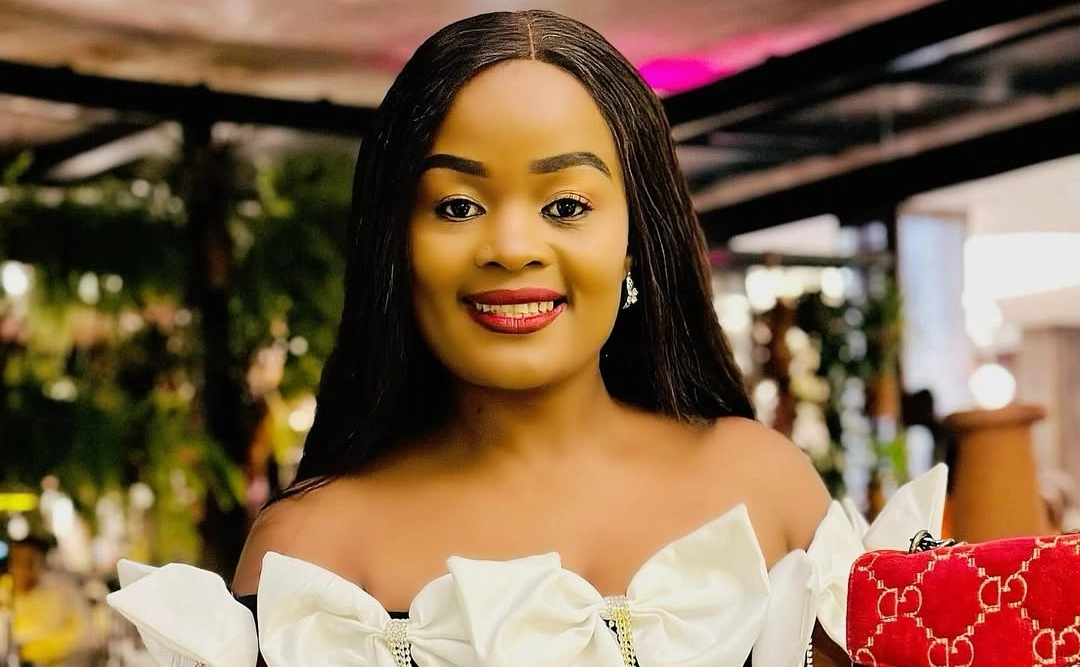
Rachel Otuoma, widow of the late Kenyan international footballer Ezekiel Otuoma, has publicly addressed critics concerning her decision to move on with her life following her husband’s passing.
Her recent remarks highlight her belief that she fulfilled her marital obligations and deserves to live her life without judgment.
A Widow’s Plea for Understanding
During her recent TikTok Live, Rachel Otuoma strongly defended her stance, asserting that she honoured her marriage vows until death separated them.
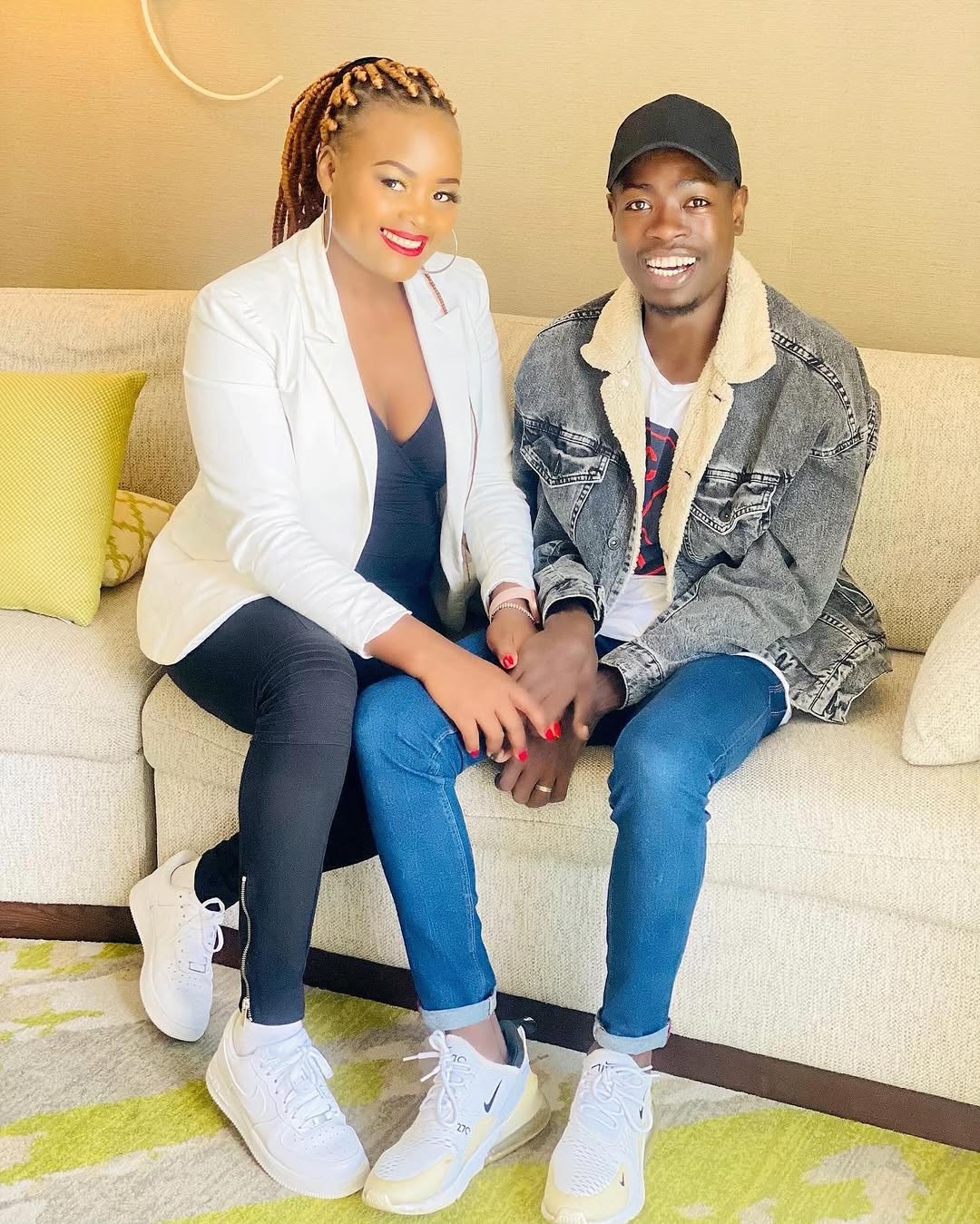
She challenged those who scrutinise her actions, asking them to consider her perspective.
“When I said yes, I do, it was till death do us part, and God decided like that. So, you mean I shouldn’t live my life because you guys are talking? She stated, emphasizing the finality of her marriage vows.
She further added, “Stop judging, I played my part, nilikuwa kwa ndoa yangu mpaka ikapita. Hio ni mapito, so sifai kumove on juu bwanangu alikufa? Vitu zingine tukuwe real.”
This translates to: “Stop judging, I played my part, I was in my marriage until it passed. That is just life, so am I not supposed to move on just because my husband died? Let’s be real about some things.”
Otuoma urged the public to mind their business, highlighting the intrusion she feels from ongoing commentary.
Background to the Tragedy
Ezekiel Otuoma, a respected figure in Kenyan football, tragically passed away in December 2024 after a long battle with Motor Neurone Disease (MND), also known as Amyotrophic Lateral Sclerosis (ALS).

His death marked the end of a challenging period for the couple. Throughout his illness, Rachel Otuoma garnered widespread admiration for her unwavering dedication and care for her husband, often sharing their journey and advocating for his treatment.
During his burial, she was lauded for her commitment, having stood by him through the years of his debilitating illness.
Moving Forward: A Personal Choice
Rachel’s recent statements underscore her belief that she fulfilled her marital duties. She maintains that after fulfilling her promise “till death do us part,” she has the right to rebuild her life.
Her message is a direct appeal for empathy and a call for society to respect her autonomy in grief and recovery.
“Imagine you guys will talk and abuse, but imagine I have to date,” she concluded.
by moses sagwe