

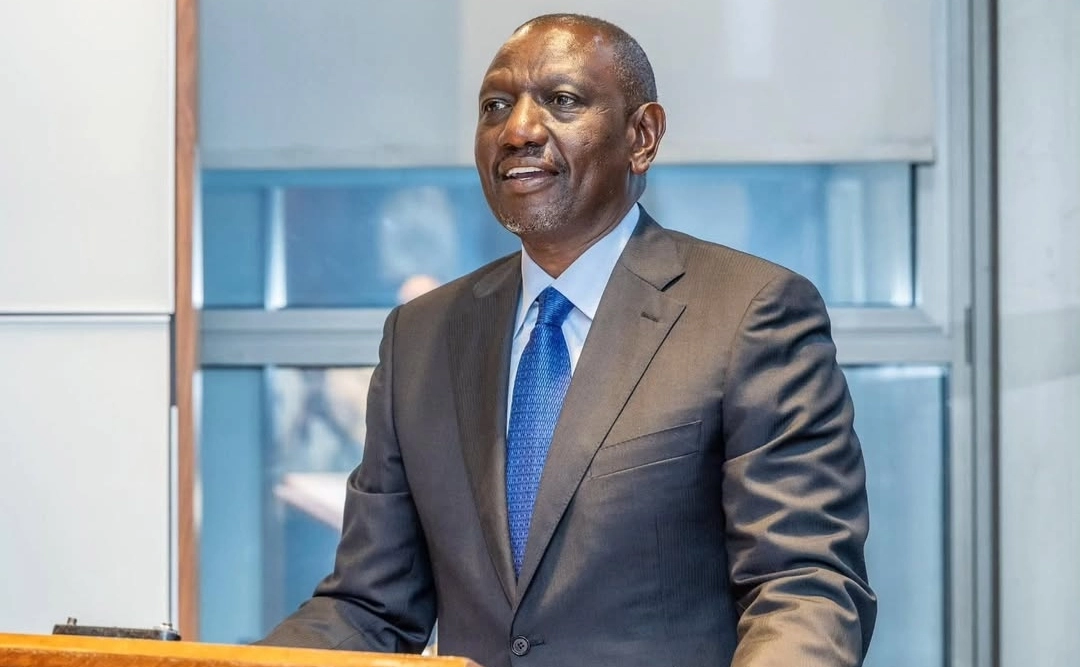
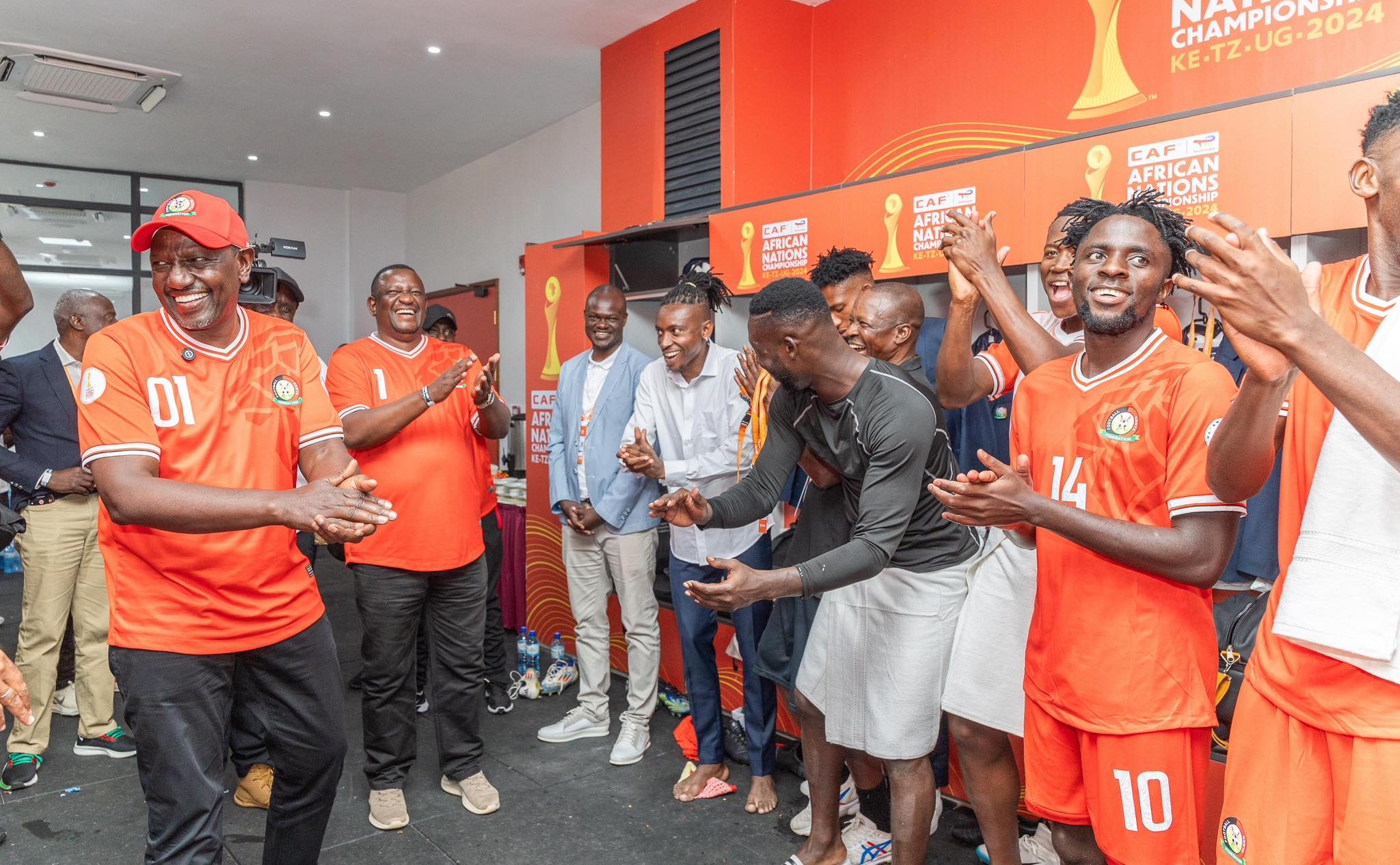
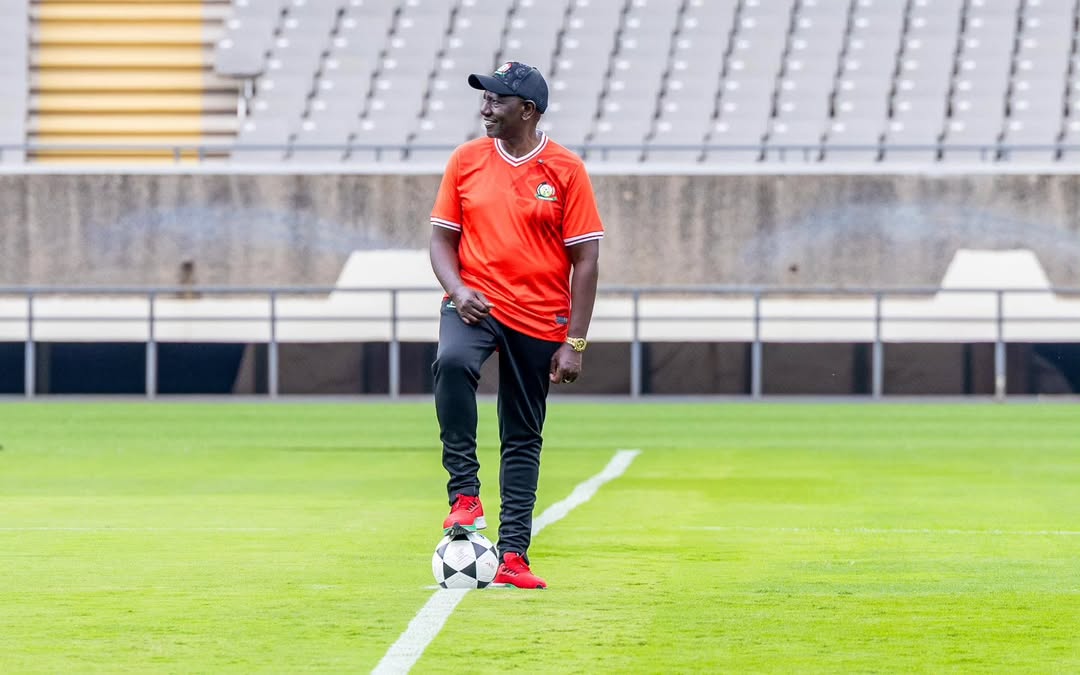
President William Ruto recently pledged KES 600 million to the Harambee Stars if they win the CHAN tournament. While supporting sports is important, the amount raised an uncomfortable question:
What could KES 600 million do for Kenya’s struggling education system—especially basic and higher education?
The answer is, quite a lot.
Supporting Basic Education
In many parts of Kenya, public primary and secondary schools still face serious funding shortages. From overcrowded classrooms to a lack of desks, the gaps are clear.
Here’s how KES 600 million could help:
Pay full school fees for nearly 27,000 day secondary school students for a year. The government allocates roughly KES 22,244 per student annually.
Construct 500 new classrooms, easing congestion and improving the learning environment. A standard classroom costs around KES 1.2 million to build.
Equip 4,000 classrooms with desks, chairs and textbooks. Setting up one classroom with learning materials costs approximately KES 150,000.
Hire 2,000 intern teachers for one year to help bridge the teacher shortage. Intern teachers earn between KES 25,000–30,000 per month.
Feed over 200,000 children for a full school term. School feeding programmes cost roughly KES 15 per child per day, ensuring better attendance and nutrition.
“An educated population is the backbone of a thriving economy.”
Addressing the University Crisis
Kenyan universities are also under intense pressure. With HELB loans no longer guaranteed for all, and free government-sponsored university education fading away, many students are struggling.
Here’s what the same KES 600 million could do in higher education:
Fully cover tuition fees for 10,000 needy university students. The average annual university fee is about KES 60,000.
Support accommodation for 60,000 students. A KES 10,000 subsidy could make hostel or rent affordable for one semester.
Equip 10–15 public universities with digital libraries, science labs, or campus Wi-Fi. A modern library or lab costs KES 10–20 million to set up.
Offer emergency bursaries or soft loans to 20,000–30,000 students at risk of dropping out. Many are missing exams due to unpaid fees.
Recruit 500 junior lecturers on one-year contracts, helping ease the staff shortage in many institutions.
“Students are sleeping hungry and being locked out of graduation, yet KES 600 million can be pledged in a day for football.”
A Fair Balance?
Supporting sports is valuable. National pride, youth opportunities, and economic boosts all come from success in international tournaments. But so does education. It builds nations in quieter, long-term ways.
by esther njoroge