


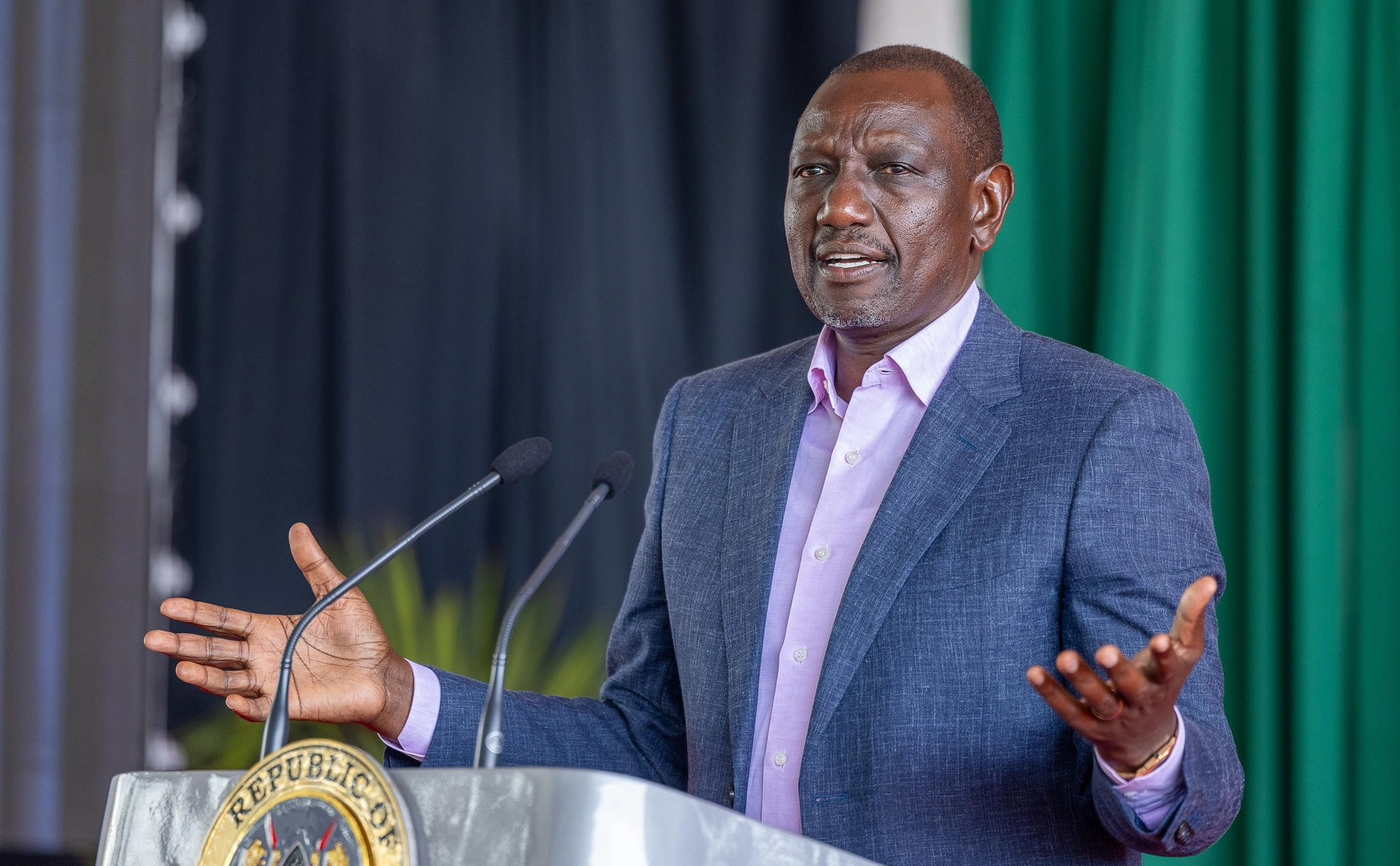
President William Ruto has unequivocally defended the ongoing construction of a new church within the precincts of State House Nairobi, asserting his right to erect a place of worship and clarifying that the entire project is being financed solely through his resources, rather than taxpayer money.
The President’s definitive statements come amidst what he acknowledged as discussions and various reports circulating in the media concerning the development at the official presidential residence.
Speaking directly about the initiative, President Ruto conveyed a resolute and unapologetic stance regarding his commitment to faith and the church’s construction.
“I am a man who believes in God and I have no apologies to make for building a church. I have no apology. Do you understand me? And I will not apologize to anyone for building a church. We will build a church of God. Let Satan be angry and do what he wants. Do you understand me?”
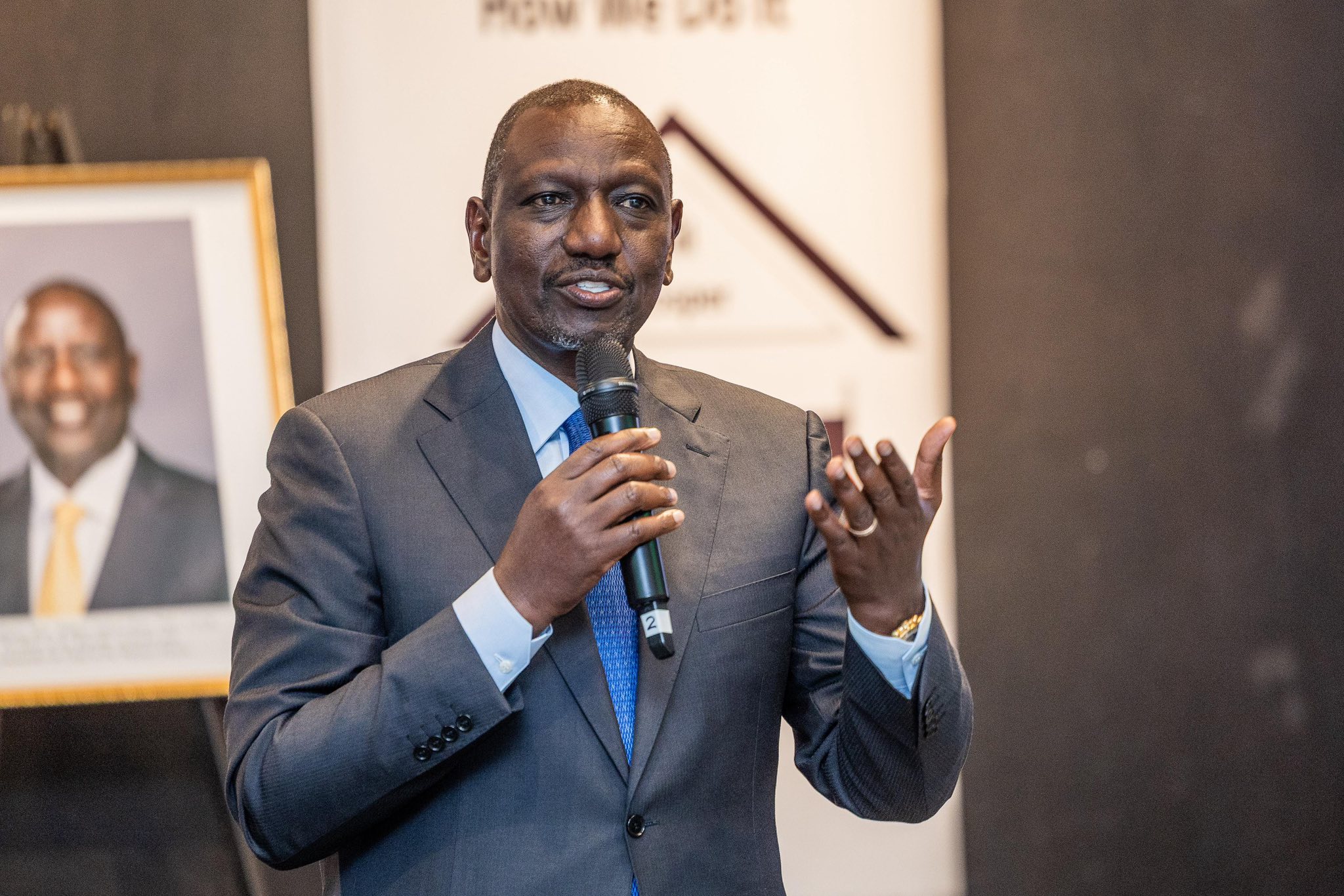
The President directly addressed the public discussion surrounding the State House church, confirming the veracity of reports published in newspapers. He provided crucial context for his decision, explaining that upon assuming office, he found an existing church structure at State House that was made of corrugated iron sheets, commonly known as ‘mabati’.
He articulated his view that this temporary-looking structure was not befitting the stature and dignity of the State House itself.
“Here at the state house I came and found a mabati church. Is a mabati church enough for the state house even in your opinion?”
A key point of President Ruto’s defense centered on the project’s funding, aiming to alleviate any public concern over the use of government funds. He explicitly stated that the construction would not impose any financial burden on the Kenyan exchequer.
“So I’m not building it with government money. I’m building it with my own money,” he added.
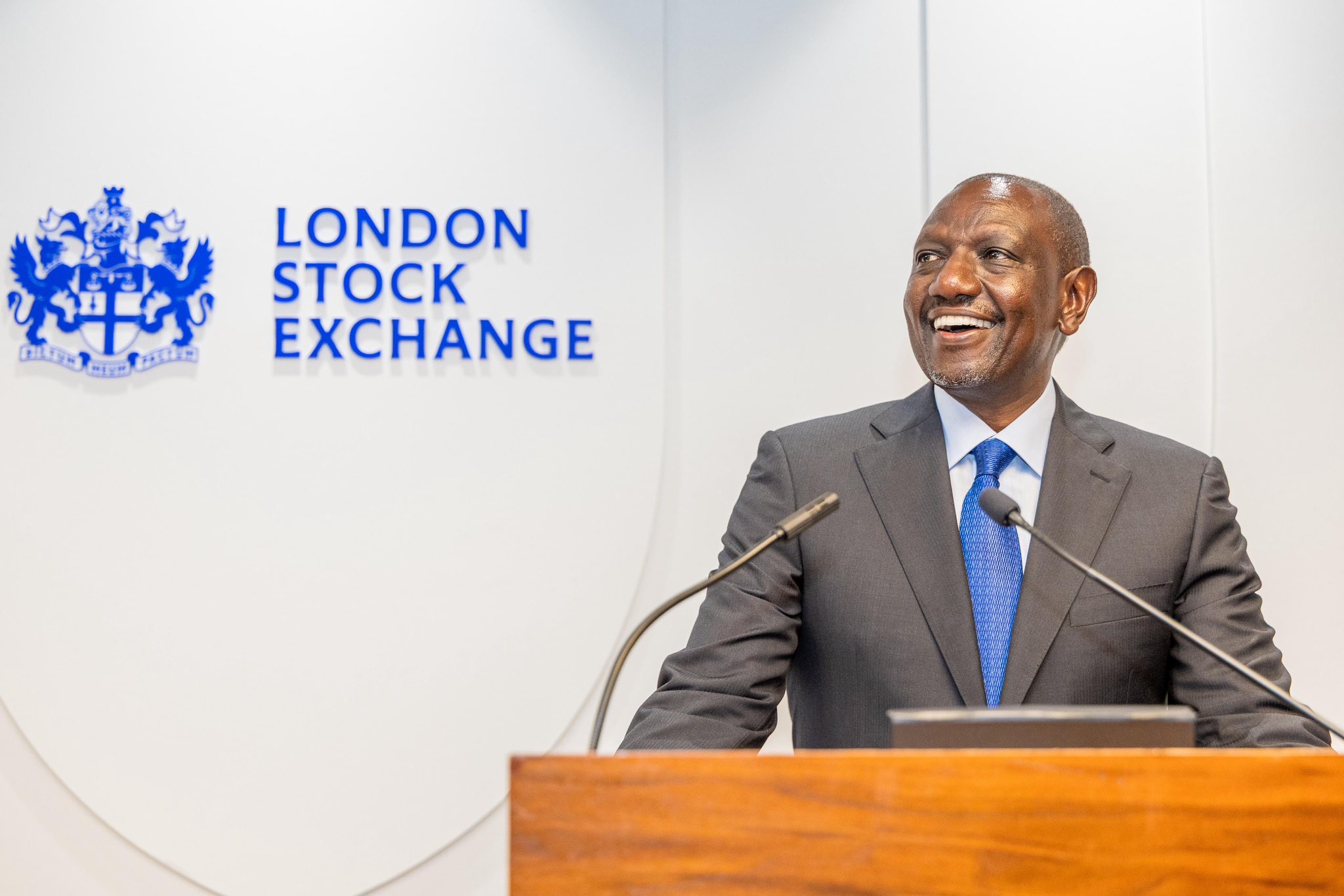
The President also extended an open invitation, noting that he would, on another occasion, invite people to come and pray at the newly constructed church.
Reports circulating in the Daily Nation today allege the covert construction of an 8,000-seater church within the premises of State House in Nairobi, purportedly costing Ksh1.2 billion. This alleged project has ignited significant debate for the better part of the day, especially among various civil society groups, raising questions about constitutional principles of secularism and the use of public funds for religious structures.
The Atheists in Kenya Society, led by President Harrison Mumia, had announced their intention to initiate legal action against the construction project. The society views this rumored Ksh1.2 billion project as “shocking and unacceptable”, asserting that it promotes “Christian nationalism” and undermines Article 8 of the Kenyan Constitution, which establishes Kenya as a secular state.
They had directed their lawyers to immediately pursue legal action to halt what they describe as an “egregious misuse of taxpayer funds”.
by moses sagwe