


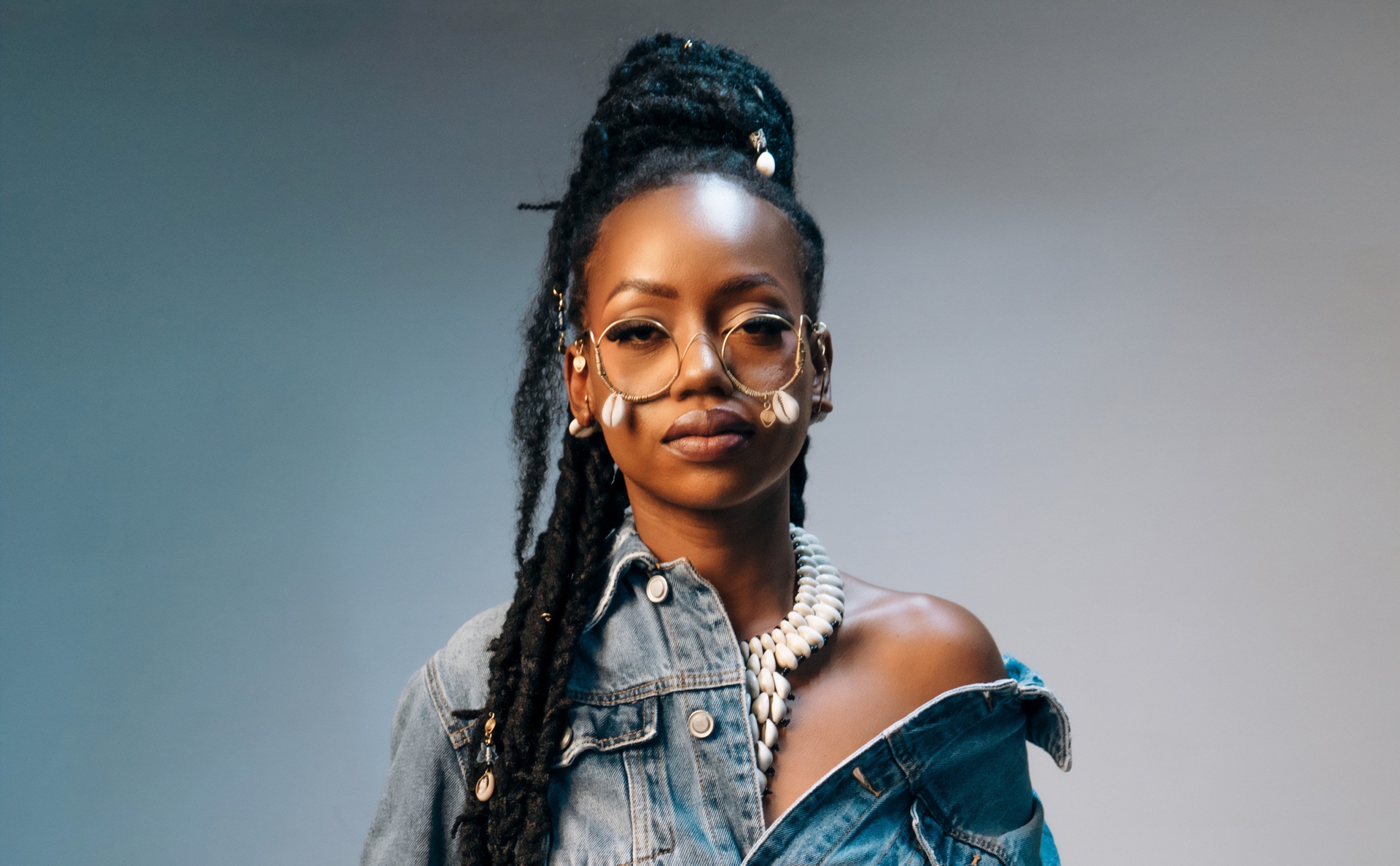
Kenyan star Njerae is one of Kenya’s most compelling rising voice, an artist whose music is not only heard but deeply felt. She has been spotlighted as this month’s Equal artist.
Soulful, vulnerable, and defiantly authentic, Njerae’s sound has been described as “a breath of fresh air” a signature that reflects her journey from quiet introspection to bold self-expression.
Selected for Spotify’s prestigious Equal Africa initiative, which promotes gender equity in music by amplifying women artists across the continent, Njerae joins a growing list of African women breaking barriers in a male-dominated industry.
“I’m super excited to have my face on such a platform,” Njerae said. “It’s such an amazing program that puts women on top, empowers them and I love that. It’s something that pushes us, and it’s a huge honor.”
A Journey Born in Silence
Her music journey began not with a stage, but with a pen. Naturally introverted, she started writing to process the world around her. “I’m very introverted. Growing up, I kept a lot inside until I’d have huge emotional blowouts,” she explains. The turning point came during a period of national unrest, when a terrorist attack on a Nairobi matatu left her shaken. In response, she wrote poetry for the first time, a raw emotional outlet that eventually evolved into songwriting.
As she picked up the guitar and began to give her words melody, music became her sanctuary. “It was never about putting it out for people,” she says. “I had specific things I didn’t know how to say, and only through music could I express them.”
Musical Roots and African Inspirations
Like many Kenyan millennials, Njerae grew up immersed in the sounds of East and West African greats. Sauti Sol, Tiwa Savage, and Wahu were constant staples, but it was Phy, one of Kenya’s most respected singer-songwriters, who had the most personal impact.
“Phy was the first African woman I saw playing guitar on stage, singing sad love songs people could jam to. When she did Taboo, that inspired me to go to Sauti Academy,” Njerae recalls. “And now, I’m here.”
A Sound That Heals
For those unfamiliar with her music, Njerae’s sound is soulful, tender, and emotionally resonant. “It’s like a sigh of relief,” she says, a sentiment echoed by fans who turn to her songs for comfort and reflection.
Despite working in an industry that often marginalizes women, Njerae’s philosophy is unapologetic: “I don’t let being a woman interfere with my journey. I’m going to keep pushing and going after what I want regardless of my gender and I will not dim my light.”
Redefining Success on Her Own Terms
Remarkably, Njerae has never held a job outside of music. What might seem like a risk to some, she sees as a calling. “By next year, it’ll be ten years of pursuing this dream,” she shares. “People say I just started two years ago, but it’s been a long grind. Nothing good comes easy.”
She’s had to fend off critics who said her music was “too wordy” or “too white.” Yet she remains grounded in her purpose. “At the end of the day, the dream is mine. The satisfaction I get from my art isn’t for the doubters.”
Navigating the Industry as a Woman
Njerae acknowledges the unique challenges women face in music—from access to performance amenities to subtle forms of bias. “There are things I need as a woman artist that male artists don’t think about—like a changing room, a makeup space, or just a mirror,” she says. “But I say it without apology. My needs don’t make me less qualified.”
Her ethos is captured in a motto she lives by: “Dress for the job you want, not the one you have.” She adds, “I walk into every space with my chest out and my head held high.”
BY queen serem