


Africa’s biggest football competition, the Africa Cup of Nations (Afcon), will kick off in Cameroon on Sunday after a double delay linked to preparedness, security and health challenges.
And Cameroonians are excited the tournament could bring rare joy to a country battered by an insurgency, the Covid-19 pandemic and poverty. Most folks, in spite of their class differences, are united in their love for football.
It is no wonder that Cameroon has also been a football powerhouse on the continent, winning Afcon four times and making history by being the first African country to reach the quarter finals of the World Cup in 1990.
This year’s edition of Afcon, the 33rd biennial event, is seen as a time of joy for the entire continent. Yet, like other global sporting activities, it will be held amid the health challenge, with some players and staff members having tested positive for the coronavirus.
At least seven of the 24 participating teams in the continental soccer jamboree have been affected by the pandemic, including Senegal, Gabon, Burkina Faso, Malawi, Cape Verde, Tunisia and Gambia.
The Confederation of African Football (Caf), organisers of the tournament, had authorised participating teams to increase the number of players from the usual 23 to 28 to ensure there would be substitutes in the event of Covid-19 positive cases.
The continental soccer body has also taken health measures, including presenting Covid-19 vaccination cards, negative PCR tests of less than 72 hours old for players, staff, officials, and spectators.
Caf has also reduced the number of people to watch the matches, putting that of the host country at 80 per cent of the capacity of the stadium and the rest of the matches at 60 per cent.
Separatist fighters
Besides health, the host country will have to deal with security. The four-week tournament will be played in five Cameroonian cities, including in the coastal English-speaking town of Limbe in the South West region.
Group F teams – Tunisia, Mali, Mauritania and Gambia – will stage their group fixtures at the 20,000-capacity Limbe Omnisport Stadium with their training site in the South West regional capital, Buea, which has been a hotspot of separatist attacks.
The anglophone regions of Cameroon have been rocked by a bloody armed conflict with separatist fighters demanding the secession of the minority English speakers from the majority French-speaking country. Over 3,500 people have been killed and nearly a million forced out of their homes, according to humanitarian organisations.
Separatist fighters have threatened to disrupt the tournament but authorities have maintained the “situation is under control”, saying the tournament, just like the African Nations Championship (Chan) will take place in the cities hitch-free.
An end-of-year festival in Buea last December was all but ruined after just a mild blast at the venue. On Thursday, local media reported the detonation of a home-made bomb in Limbe, though the government has not commented on it.
President Paul Biya, who has always used football as a unifying factor to rally Cameroonians, on Friday called on the entire nation to use the soccer competition to show the world “that we are a united and indomitable people”.
But analysts are sceptical that the competition can bring respite to the divided country.
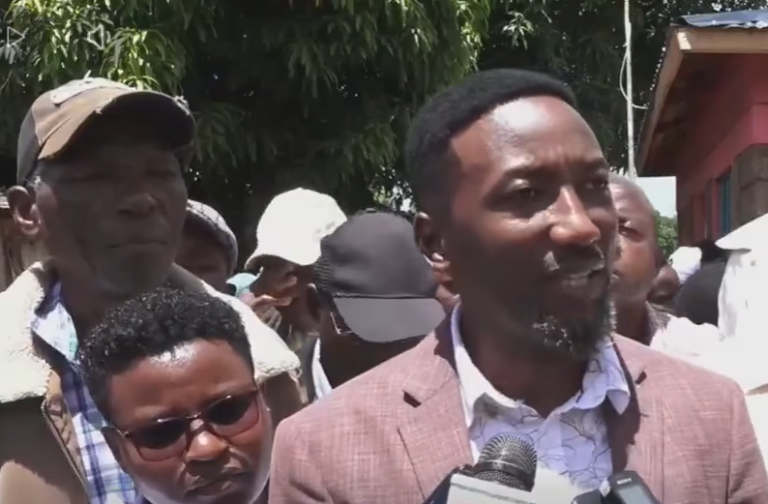
Franklin Sone Bayen, a sports analyst based in Limbe, agrees Cameroon has often been under the spell of football and those in power have always counted on it as a unifying factor.
Worsening violence
“But that failed in 2017,” Bayen said. Cameroon won Afcon that year in Gabon for the first time in 15 years just when the anglophone crisis had reached boiling point.
The authorities counted on it to heal the wounds and distract embittered anglophones from their grievances, hoping the victory euphoria would do the trick but it did not, Bayen explained.
“Touring the anglophone regions with the AfCON trophy (in 2017), even with well-known and much-loved anglophone players of the national team brandishing the trophy to their anglophone fans did not charm embittered anglophones,” Bayen stated.
With worsening violence and greater use of explosive devices by separatists in the anglophone regions, analysts see the staging of the tournament there as a potential avenue for fresh escalation.
All it takes is a couple of blasts around match or training venues or targeted shooting at a team bus and the smooth run of the tournament may be in jeopardy, reminiscent of the Togolese team tragedy in Cabinda on the eve of Afcon 2010 in Angola.
Christopher Achobang, a human rights activist, says the tournament would have found more conducive playgrounds “in countries where life is cherished and celebrated”.
Staging a continental football tournament in a country where thousands have been killed and tens of thousands others rendered homeless is an insult to basic human rights and sanctity, he says.
“We cannot celebrate football in the absence of life and peace… Afcon 2021 is a slap and an affront to human dignity,” and cannot revive the anglophone sense of belonging in Cameroon.
Anglophone crisis
Aaron Nyangkwe, a civil society activist, agrees that it will be preposterous to think that Afcon will revive an anglophone sense of belonging to Cameroon because of a growing nationalism.
“On the other score, if one considers the corruption and embezzlement scandals that surrounded the organisation of this Afcon, it will be difficult to think of any anglophone sense of belonging,” Nyangkwe said.
Even those close to the Yaoundé regime are also pessimistic about the tournament bringing respite to the conflict-plagued country.
A member of a government commission created to resolve aspects of the anglophone crisis dropped a hint about his opinion on Cameroon’s hosting of the competition.
The source said the investment in the tournament would have been diverted to other more pressing needs. “There are other basic infrastructure developments that would have been realised,” the source said.
In addition to the above challenges is political opposition from the Cameroon Renaissance Movement (MRC). The party threatened protests at the start of the tournament to demand the release of those they call “prisoners of conscience”.
The Yaoundé military tribunal last month slapped jail terms of between one and seven years on about 50 MRC militants who were accused of organising and participating in unauthorised protests.
“This may all be worsened by mounting social discontent as poor masses grumble under the weight of new taxes and inflation,” Bayen says. BY DAILY NATION