

At St Francis Church in Karen, the Sunday service runs like any other Anglican one but for one thing, just before the sermon begins, members hold hands and sing the three stanzas of the national anthem.
Then they lift their hands up (still held together) and chant a vow of patriotism: “We are one Kenya, serving one God and we refuse to be divided, in Jesus name, Amen”. The unwritten vow is not beamed on the screen, leaving visitors sticking out as they lip-sync with the members.
Then they lift their hands up (still held together) and chant a vow of patriotism: “We are one Kenya, serving one God and we refuse to be divided, in Jesus name, Amen”. The unwritten vow is not beamed on the screen, leaving visitors sticking out as they lip-sync with the members.
NATIONHOOD
The tradition, which is unique to the church on Ngong Road, is repeated religiously every Sunday. The leaders say it is an important reminder to worshippers about their role as patriots.
So entrenched is the tradition that many who had difficulties in recalling the national anthem off-head now have memorised the three stanzas.
The church celebrated its 80th year of existence two weeks ago in an event attended by several dignitaries, including Anglican Archbishop Jackson ole Sapit. It hopes to spread the tradition that combines nationhood and religion.
The tradition, which is unique to the church on Ngong Road, is repeated religiously every Sunday. The leaders say it is an important reminder to worshippers about their role as patriots.
So entrenched is the tradition that many who had difficulties in recalling the national anthem off-head now have memorised the three stanzas.
The church celebrated its 80th year of existence two weeks ago in an event attended by several dignitaries, including Anglican Archbishop Jackson ole Sapit. It hopes to spread the tradition that combines nationhood and religion.
EMOTIVE
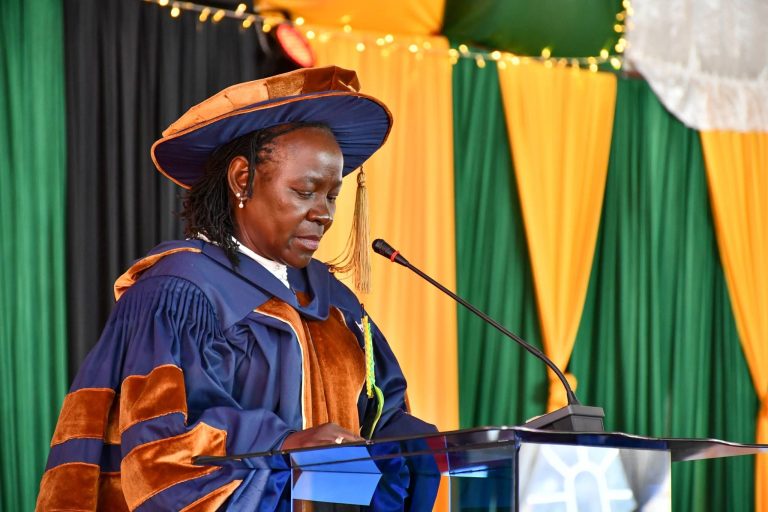
“We hope to influence other churches to build a mega platform for fostering unity among Kenyans, whose fabric is frequently frayed by emotive electoral cycles,” said church Vicar Joyce Kariuki.
“The national anthem is a prayer. We use it to bless our nation. We are just doing what the Bible has commanded us to do; bless our land. I would recommend every church to champion peace and unity by reminding their members that we are one since the church does not exist in isolation. What affects the national fabric also affect the church,” Rev Kariuki told the Sunday Nation in an interview.
“We hope to influence other churches to build a mega platform for fostering unity among Kenyans, whose fabric is frequently frayed by emotive electoral cycles,” said church Vicar Joyce Kariuki.
“The national anthem is a prayer. We use it to bless our nation. We are just doing what the Bible has commanded us to do; bless our land. I would recommend every church to champion peace and unity by reminding their members that we are one since the church does not exist in isolation. What affects the national fabric also affect the church,” Rev Kariuki told the Sunday Nation in an interview.
PROACTIVE
She said unlike in the usual scenarios when churches are compelled to conduct prayers for the country only during elections and when political tensions rise, the ‘best proactive approach’ is to drive the patriotism agenda in every sermon. This will keep the church at the forefront of championing peace and unity.
Singing of the national anthem, according to the church leadership, has been a surprise for many visitors to the church. Many wonder why this is so, especially in, of all places, affluent Karen, where political strife is hardly felt during elections.
She said unlike in the usual scenarios when churches are compelled to conduct prayers for the country only during elections and when political tensions rise, the ‘best proactive approach’ is to drive the patriotism agenda in every sermon. This will keep the church at the forefront of championing peace and unity.
Singing of the national anthem, according to the church leadership, has been a surprise for many visitors to the church. Many wonder why this is so, especially in, of all places, affluent Karen, where political strife is hardly felt during elections.
MUSICAL
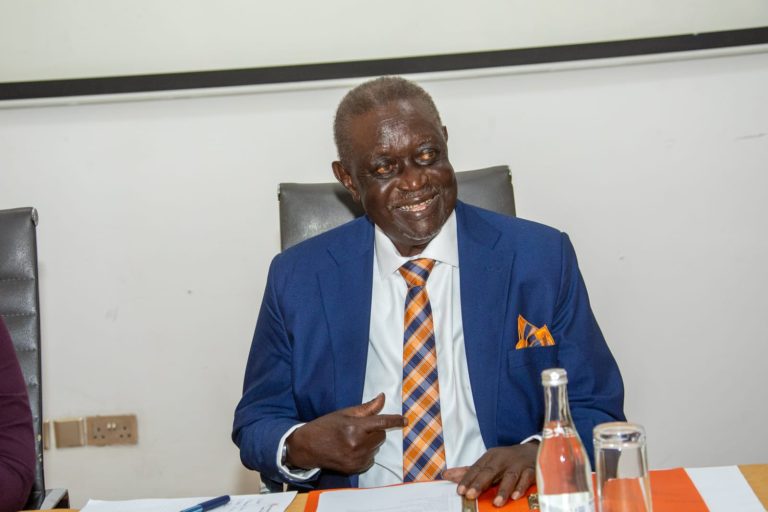
Among those pleasantly surprised by the tradition is a co-composer of the Kenya National Anthem, Professor Washington Omondi, 77, who could not hide his joy when he started attending Sunday fellowship at the church.
In mid-1963, just before Kenya gained independence, Omondi and four other men were tasked with coming up with a national song.
The others are George Senoga-Zake, Graham Hyslop, Rev Thoms Kalume and Peter Kibukosya, all of them with varying musical backgrounds. They were given seven weeks to deliver the song — which was later laid onto a Pokomo lullaby by the band master of Kenya Police.
Among those pleasantly surprised by the tradition is a co-composer of the Kenya National Anthem, Professor Washington Omondi, 77, who could not hide his joy when he started attending Sunday fellowship at the church.
In mid-1963, just before Kenya gained independence, Omondi and four other men were tasked with coming up with a national song.
The others are George Senoga-Zake, Graham Hyslop, Rev Thoms Kalume and Peter Kibukosya, all of them with varying musical backgrounds. They were given seven weeks to deliver the song — which was later laid onto a Pokomo lullaby by the band master of Kenya Police.
GRASS-THATCHED
Prof Omondi is, however, not the force behind the slotting of the anthem in the church service. “He was also pleased by use of the church to instil patriotism. I didn’t even know he was among the composers of the song. For us, we do it as a symbol of unity and, hopefully, this scales up further,” Rev Kariuku said.
The 80-year-old church was started in 1938 by an early white settler, Reverend E.M Low, and his wife — who lived in Karen then. A grass-thatched and mud-walled house was its humble beginning, which also hosted several animals, insects and birds in then bushy Karen; prompting the name St Francis after the Italian deacon who loved animals.
Prof Omondi is, however, not the force behind the slotting of the anthem in the church service. “He was also pleased by use of the church to instil patriotism. I didn’t even know he was among the composers of the song. For us, we do it as a symbol of unity and, hopefully, this scales up further,” Rev Kariuku said.
The 80-year-old church was started in 1938 by an early white settler, Reverend E.M Low, and his wife — who lived in Karen then. A grass-thatched and mud-walled house was its humble beginning, which also hosted several animals, insects and birds in then bushy Karen; prompting the name St Francis after the Italian deacon who loved animals.
SUFFERING
It is not unusual for religion and nationhood to blend. Throughout Kenya’s struggle for multiparty democracy, church leaders played a major role in agitating for change, with leaders like Presbyterian Church of East Africa’s (PCEA) Reverend Timothy Njoya suffering for it and others like then Eldoret Anglican Diocese Bishop Alexander Muge losing his life in the process.
Symbols of unity like the national anthem have been used by many leaders across the continent to push for patriotism.
In Nigeria, for example, President Yakubu Gowon’s government, which ruled between 1966 and 1975, required every pupil to recite the National Pledge twice a day.
President Mobutu Sese Seko of Zaire banned western dresses and skirts and compelled citizens to wear the abacost national dress, while his Zambia counterpart Kenneth Kaunda declared nshima (maize meal) the national food and chitenge skirt the national dress.
It is not unusual for religion and nationhood to blend. Throughout Kenya’s struggle for multiparty democracy, church leaders played a major role in agitating for change, with leaders like Presbyterian Church of East Africa’s (PCEA) Reverend Timothy Njoya suffering for it and others like then Eldoret Anglican Diocese Bishop Alexander Muge losing his life in the process.
Symbols of unity like the national anthem have been used by many leaders across the continent to push for patriotism.
In Nigeria, for example, President Yakubu Gowon’s government, which ruled between 1966 and 1975, required every pupil to recite the National Pledge twice a day.
President Mobutu Sese Seko of Zaire banned western dresses and skirts and compelled citizens to wear the abacost national dress, while his Zambia counterpart Kenneth Kaunda declared nshima (maize meal) the national food and chitenge skirt the national dress.