

Since March 2011, Syria has been embroiled in a war.
Forces loyal to President Bashar al Assad have been engaged in a brutal conflict with rebels and Islamist militants.
After seven years the conflict looks like it is coming to an end, with Assad forces closing in on the final rebel stronghold of Idlib.
Sky News takes a look back at how Assad won the Syrian civil war.
March 2011
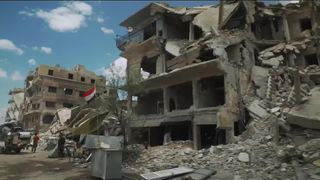
Protesters in Daraa were shot dead by government forces, sparking nationwide unrest.
This anti-regime sentiment spread across Syria in the following months, and the government started cracking down heavily on demonstrators who were inspired by the Arab Spring movement.
July 2011
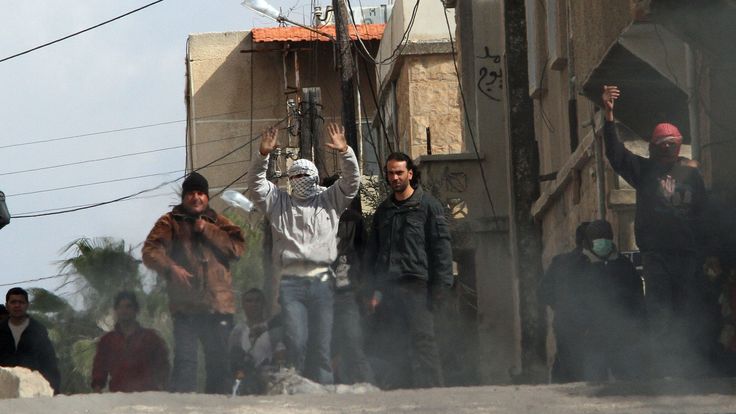
Anti-government rebels and defectors from the Syrian army organised into the Free Syrian Army (FSA).
Fighting between them and pro-Assad forces intensified across Syria.
August 2011
World leaders including US President Barack Obama, UK Prime Minister David Cameron and German Chancellor Angela Merkel called on Assad to step down.
This international condemnation came after months of human rights abuses against rebels and anti-government protesters.
February 2012
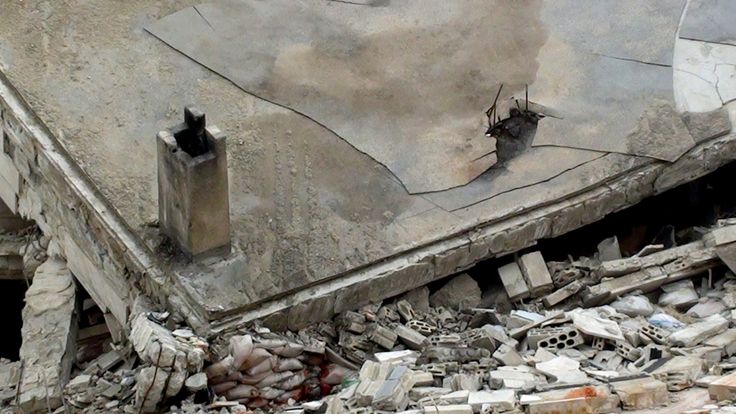
Government forces stepped up their bombardments of rebel territory, most significantly in Homs, the besieged city known as the capital of the revolution. Hundreds were killed.
What was once a protest-led revolution had turned into a full-blown civil war.
June 2012
After Syrian government forces shot down a Turkish plane, Turkey warned that if troops approach their border they will retaliate.
July 2012
The FSA bombed a government building in Damascus, killing four officials, including Assad’s brother-in-law. The interior minister for Syria was also killed in the blast.
This was a rare moment of turmoil in central Damascus, which largely remained pro-government throughout the conflict.
August 2012
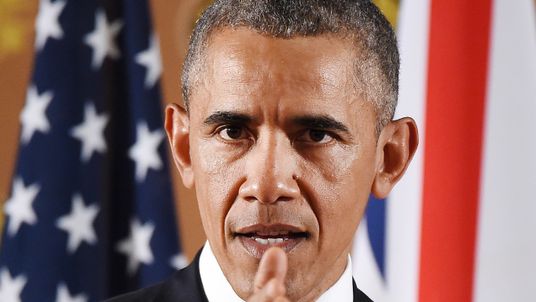
Mr Obama warned that the use of chemical weapons in Syria would be a “red line” for US intervention.
April 2013
Abu Bakr al Baghdadi founds the Islamic State in Iraq and the Levant, or IS.
In the following months, the group’s influence and territory started to grow significantly.
August 2013
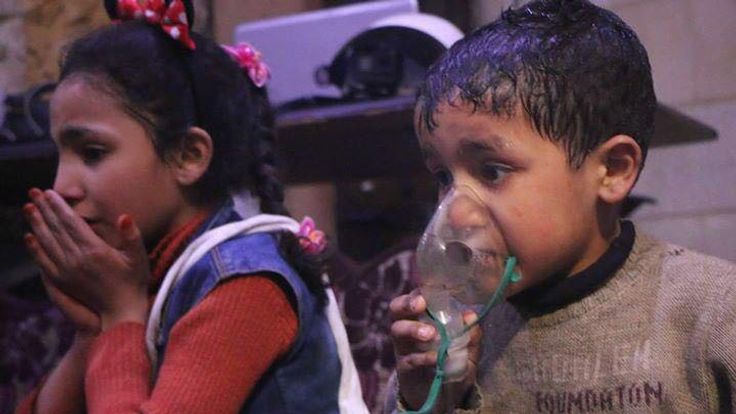
A chemical weapon attack in Ghouta, Damascus, killed hundreds. The UN found that sarin gas was used, but did not assign blame to the Assad regime or the rebels.
This brought more international condemnation on the Assad regime.
The government eventually allowed UN investigators to destroy their chemical weapon stock. While this did significantly reduce the amount of chemical weapons in Syria, it is widely thought that the Assad regime held some back.
August 2013
The UK parliament voted not to pursue military strikes on the Assad regime, with Mr David Cameron suffering a defeat in the House of Commons.
Weeks later in the US, Mr Obama, realising he faced a similar defeat in Congress, also decided against strikes.
Critics say that this undermined Mr Obama’s “red-line” statement the previous year, and made the West look weak in the region.
December 2013
Reports that armed Islamist groups had seized control of some Free Syrian Army bases led to the UK and US suspend “non-lethal” support in northern Syria.
Some claim that Assad purposely released known militant Islamists at the start of the war, in an effort to undermine the rebel cause in the eyes of the West.
February 2014
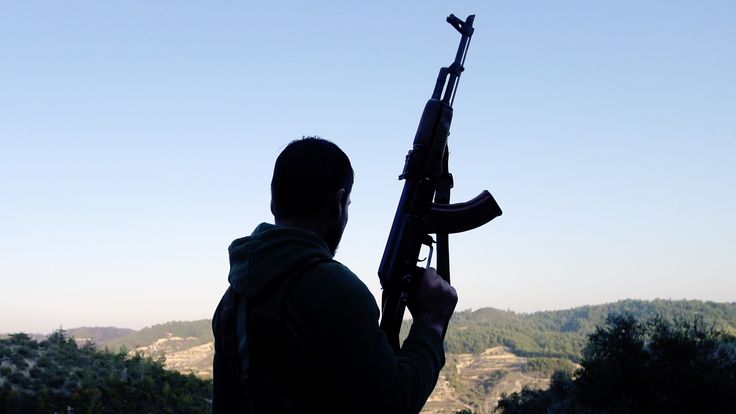
Iran stepped up support for Assad in the civil war. The country provided hundreds of military experts to advise the forces on the ground.
Iran-backed Hezbollah fighters had been fighting in Syria since the summer of 2013.
June 2014
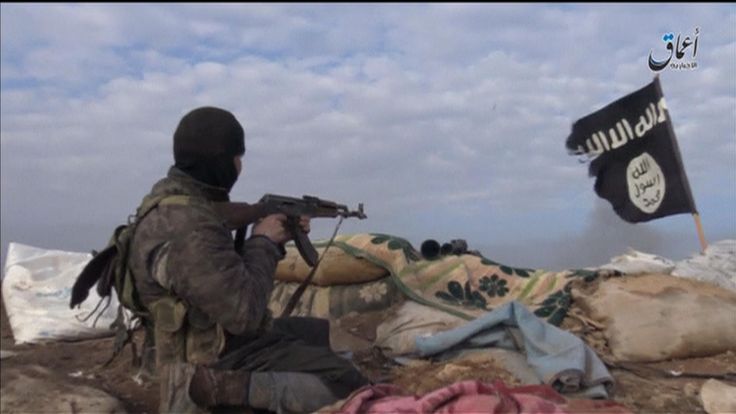
Islamic State declared a “caliphate”, which encompassed parts of Syria. They continued to fight both the Assad regime and the rebels.
The group gained international notoriety for their social media output, extremist beliefs, and brutal executions of prisoners.
September 2014
The US, Bahrain, Jordan, Saudi Arabia and Qatar start bombing ISIS strongholds.
January 2015
Kurdish forces fighting on the Turkish border pushed ISIS out of the northern city of Kobane.
Later in the conflict, the US armed some Kurdish militias, as they were seen as the most effective force against ISIS.
March 2015
Armed opposition groups seized the northwestern city of Idlib. The so-called Fattah Army included the al Qaeda-affiliated Nursa Front.
May 2015
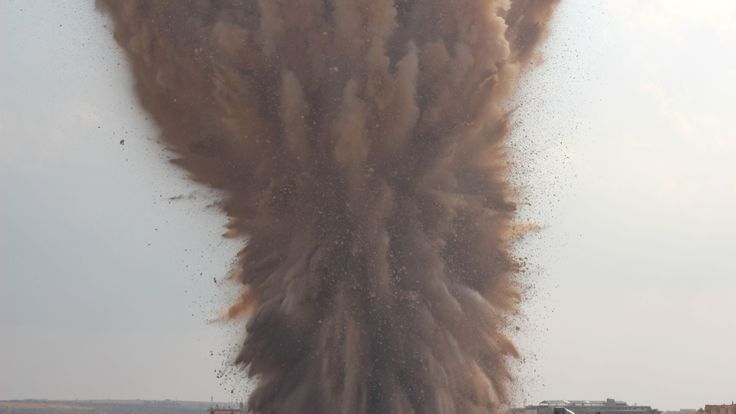
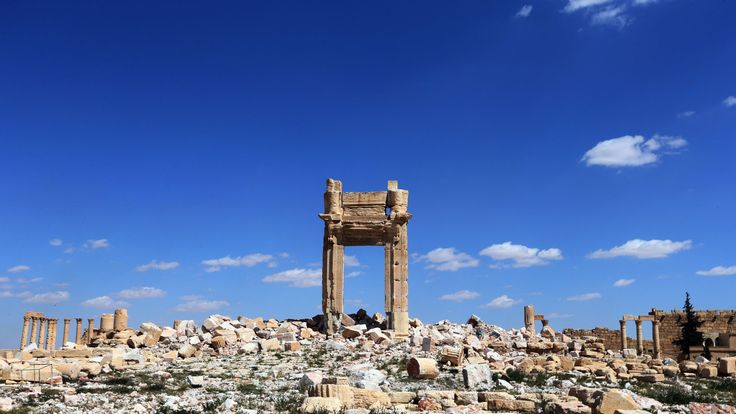
IS fighters seized the historic city of Palmyra, destroying monuments across the city, a UNESCO Heritage Site.
They later released pictures and videos of historical ruins and artefacts that had been blown up.
September 2015
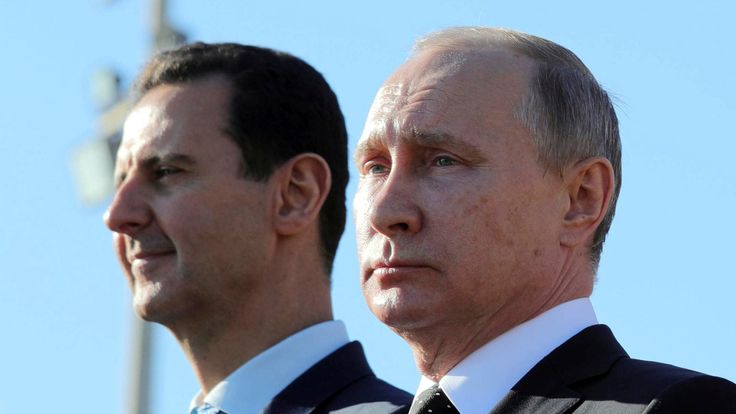
Russia, Assad’s staunchest ally, launched its first airstrikes in Syria. Moscow said they were targeting IS, but the West accused them of also attacking rebels to support Damascus.
This proved to be a turning point in the conflict.
December 2015
Syrian government forces retook Homs after a four-year battle. Hundreds of rebels were evacuated out of the city to Idlib, amid fears they would suffer reprisals from pro-government forces.
March 2016
Assad troops forced IS out of Palmyra with the help of the Russian airstrikes. IS retook the city months later, and it wasn’t until March 2017 that government forces regained control.
December 2016
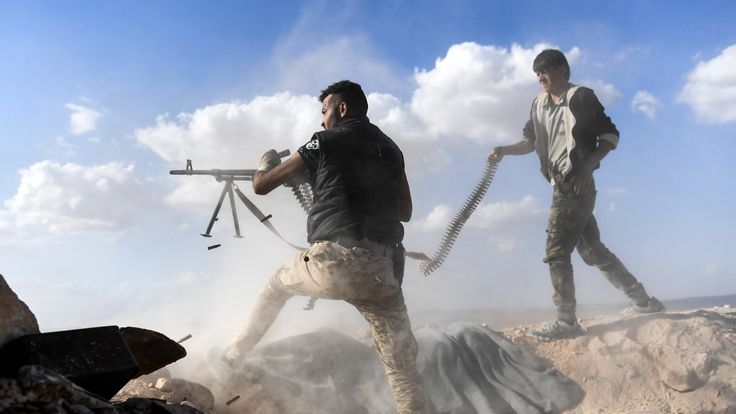
Syrian troops, backed by Iran and Russia, recaptured Aleppo. This was a significant blow to the rebels, with Aleppo representing one of their major strongholds in the country.
Once again, scores of rebels were evacuated into the Idlib province.
The daily struggle of people in Aleppo was described in harrowing detail by Bana Alabed, a little girl who shared her Twitter account with her mother, as the city endured bombs, airstrikes and ground battles.
In one message she wrote: “Tonight we have no house, it’s bombed & I got in rubble. I saw deaths and I almost died – Bana #Aleppo.”
April 2017
At least 58 people were killed in the rebel town of Khan Sheikhoun in a nerve agent attack. US President Donald Trump launched missiles against the Assad regime in retaliation.
October 2017
IS was driven from Raqqa, the capital of the self-styled caliphate, by the US-backed Syrian Democratic Forces.
This was widely seen as a symbol of the group’s decline, with their territory in Syria rapidly decreasing.
The following month they were also forced out of Deir al-Zour, this time by government forces.
December 2017
Russian President Vladimir Putin declared “mission accomplished” in his country’s fight against IS.
Mr Putin ordered a “significant part” of the Russian force to come back, but critics in the West say they retained a large presence.


February 2018
Assad forces, supported by Russian airstrikes, launched a brutal assault on eastern Ghouta, one of the last rebel strongholds.
Despite some defections early on in the conflict, the Syrian army largely stayed loyal to Assad and the government throughout the war.
Rebels were again evacuated to Idlib.
April 2018
At least 70 people died and hundreds were injured in an alleged chemical attack on Douma, eastern Ghouta. The US State Department called it “one of the worst chemical attacks in Syrian history”.
The US, UK and France launched airstrikes against Assad targets in response.
August 2018
Government forces stepped up their bombing of Idlib, the last remaining rebel territory.