


The Nairobi government is mobilising young people to take the lead in fighting climate change, aligning local initiatives with national targets and global environmental goals.
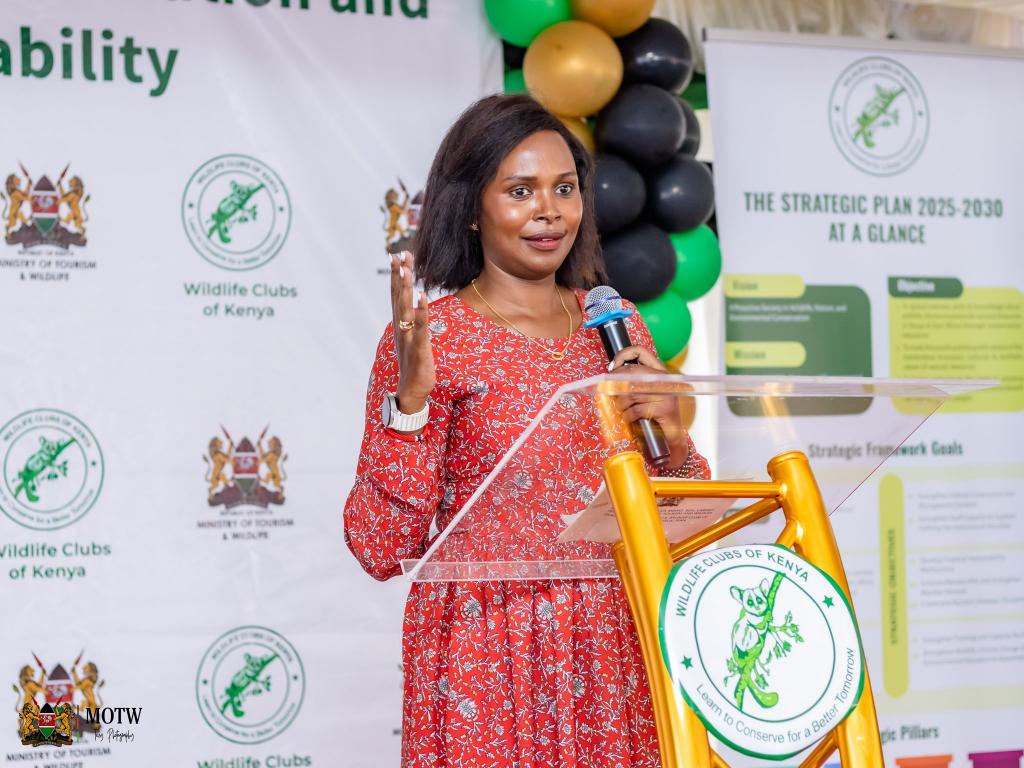
It has partnered with the Wildlife Clubs of Kenya to advance climate action by empowering young people through the newly launched 2025–30 Strategic Plan.
This, according to WCK, is a roadmap designed to transform learners into active environmental stewards.
The plan was unveiled during an event themed “Charting new pathways to transformation and sustainability in wildlife and environmental education”.
WCK, a conservation education organisation under the State Department for Wildlife, has a long history of engaging communities, having reached more than 20 million young people and community members across Kenya since 1968 through education, advocacy and hands-on conservation activities.
“This partnership ensures that youth are environmental custodians today, not just leaders of tomorrow,” Tourism and Wildlife PS Sylvia Museiya said at the launch.
According to Nairobi county, more than 26,000 young people are engaged in climate-focused work programmes.
With a rapidly growing population under 35 years, county leaders and youth activists say a youth-driven green economy is critical to Nairobi’s future.
For Mercy Wanjiku, 22, climate engagement is personal.
“When we plant trees or clean rivers, we’re safeguarding our future,” she said.
Wanjiku is a Climate WorX participant working on river restoration projects.
“I want to build a career in sustainable tourism and help Nairobi become cleaner and greener.”
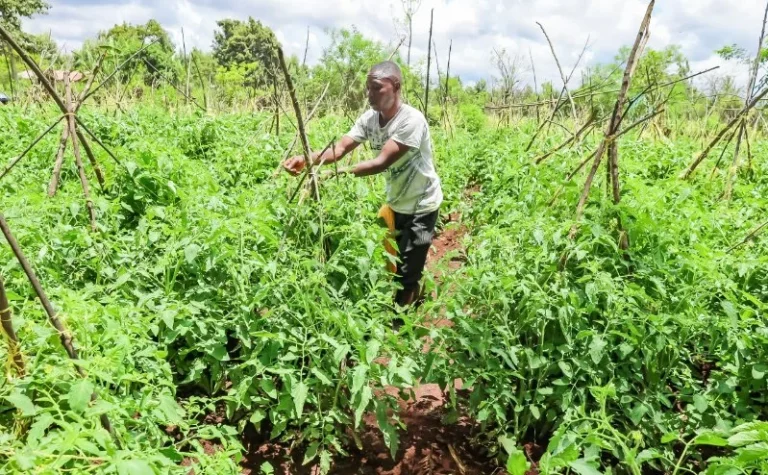
Under the national Climate WorX programme, more than 26,499 young people have been recruited in Nairobi to undertake climate resilience work such as clearing drains, managing green spaces and establishing tree nurseries.
The county’s total youth involvement in the programme is targeting to reach more than 48,000 youth this year.
Climate WorX is a Kenyan government initiative launched to combat youth unemployment and environmental degradation. It employs more than 100,000 young people for projects like tree planting, waste management and road repairs, and pays them between Sh500 and Sh550 daily.
Youth activist Joel Otieno, 19, and member of the NairoGreen youth movement, pointed out the link between climate education and action. “Youth need knowledge and platforms to innovate, not just talk. Our generation understands the urgency and wants to be included in decision-making,” he said.
Rosemary Kariuki, Nairobi county executive for inclusivity and public participation, noted the importance of community-based action and inclusive youth engagement.
“True climate action begins with inclusivity. By empowering our youth through the WCK framework, every ward in Nairobi can contribute to reclaiming our status as the ‘Green City in the Sun’,” she said.
City culture, arts and tourism chief officer Zipporah Mwangi said the green skills being imparted on young people from reforestation techniques to sustainable tourism competencies, are essential to the county’s long-term environmental and economic goals.
The strategic plan will focus on green economy training to prepare youth for careers in sustainable tourism, renewable energy and conservation sectors.
Establishment of reforestation hubs for strengthening school-based clubs to lead local carbon-offsetting projects, which is a key nature-based solution for climate mitigation.
It will also focus on digital conservation tools to engage the “TikTok generation” in biodiversity tracking and environmental storytelling, and securing youth representation in climate decision-making spaces at national and county levels.
Patron of WCK and Vihiga Governor Wilberforce Ottichilo called for enhanced multi-sectoral partnerships, innovation and outcomes-oriented implementation of the plan.
He said scaling up environmental literacy and youth involvement at the grassroots is essential to support Kenya’s broader climate ambitions.
“Youth are not just beneficiaries of climate programmes, they are climate innovators,” he said, urging stakeholders to invest in their potential.
by AGATHA NGOTHO