


Scientists have developed a new type of plant that acts as a living sensor, changing colour when it detects harmful chemicals or environmental stress.
The innovation could help farmers identify contamination early, reduce crop losses and support safer food production.
Researchers are developing plant-based monitoring systems that allow crops to “report” when they encounter dangerous chemicals, disease or pollution.
The study, Remote Sensing of Endogenous Pigmentation by Inducible Synthetic Circuits in Grasses, shows that genetically engineered grasses can change colour in response to specific chemical cues. The plants act as living biosensors that signal stress or contamination.
The research, published in the Plant Biotechnology Journal and shared through Newswise, involved scientists from the Donald Danforth Plant Science Center, the University of Florida and the University of Iowa.
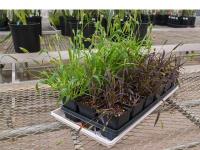
The team engineered grasses to produce a visible purple pigment, anthocyanin, when exposed to selected chemical triggers. When combined with imaging technology, the plants can alert farmers to very low levels of chemical exposure that might otherwise go unnoticed.
“When paired with advanced imaging systems, these plants can report very low levels of chemical exposure, pollution or other adverse conditions that may affect crop and human health,” the researchers said.
According to the Route to Food Initiative, chemical use in agriculture is a major food safety and environmental concern in Kenya. Many farmers rely heavily on synthetic pesticides and fertilisers to protect crops, posing significant health and ecological risks.
An analysis of pesticide products used in Kenya found that 76 per cent of the total pesticide volume contains ingredients classified as highly hazardous.
Nearly 44 per cent of pesticides in use are banned in Europe because of health and environmental risks, yet remain widely applied in Kenyan fields.
The analysis also showed that of 310 pesticide products listed in a national report, only about two per cent were biopesticides derived from natural materials. The rest were largely conventional chemicals. An estimated 77 per cent of farmers in Kenya rely on chemical pest control, highlighting the widespread use of such inputs in food production.
“Excessive use and misuse of pesticides not only threatens food safety and biodiversity but also increase the risk of poisoning and environmental contamination when proper monitoring systems are lacking,” Route to Food said.
Experts and regulators in Kenya are increasingly calling for improved monitoring of pesticide residues, safer use practices and greater adoption of alternatives such as integrated pest management and biopesticides.
Lead researcher Dmitri Nusinow said improving how crops signal stress could be a game changer for food security.
“Having plants act as sentinels in the field could increase food security and improve the sustainability of agriculture,” he said.
The team used a ligand-inducible genetic circuit to activate the plant’s natural pigment pathways. The system could eventually be adapted for major grain crops such as maize.
According to the study, the tool could help farmers detect harmful chemical exposure early in the growing season, reduce reliance on costly laboratory tests and improve field-level decision-making by providing real-time stress signals from crops.
It could also support safer food production by helping farmers avoid excessive or risky chemical use.
Researcher Malia Gehan said making the methods publicly available would allow other scientists to build on the tools more quickly.
by AGATHA NGOTHO