

For the first time in more than five decades, East Africa will host the Africa Cup of Nations, a milestone that carries significance far beyond football.
When Kenya, Uganda, and Tanzania welcome the continent for AFCON 2027, they will not only be staging Africa’s biggest sporting event but also making a bold statement about regional ambition and cooperation.
Under the banner Pamoja AFCON 2027, the three countries are jointly finalising stadium upgrades, youth development programmes and city-wide preparations aimed at delivering a world-class tournament.
For a region that has often watched major continental events from the sidelines, the co-hosting arrangement represents a historic coming-of-age moment.
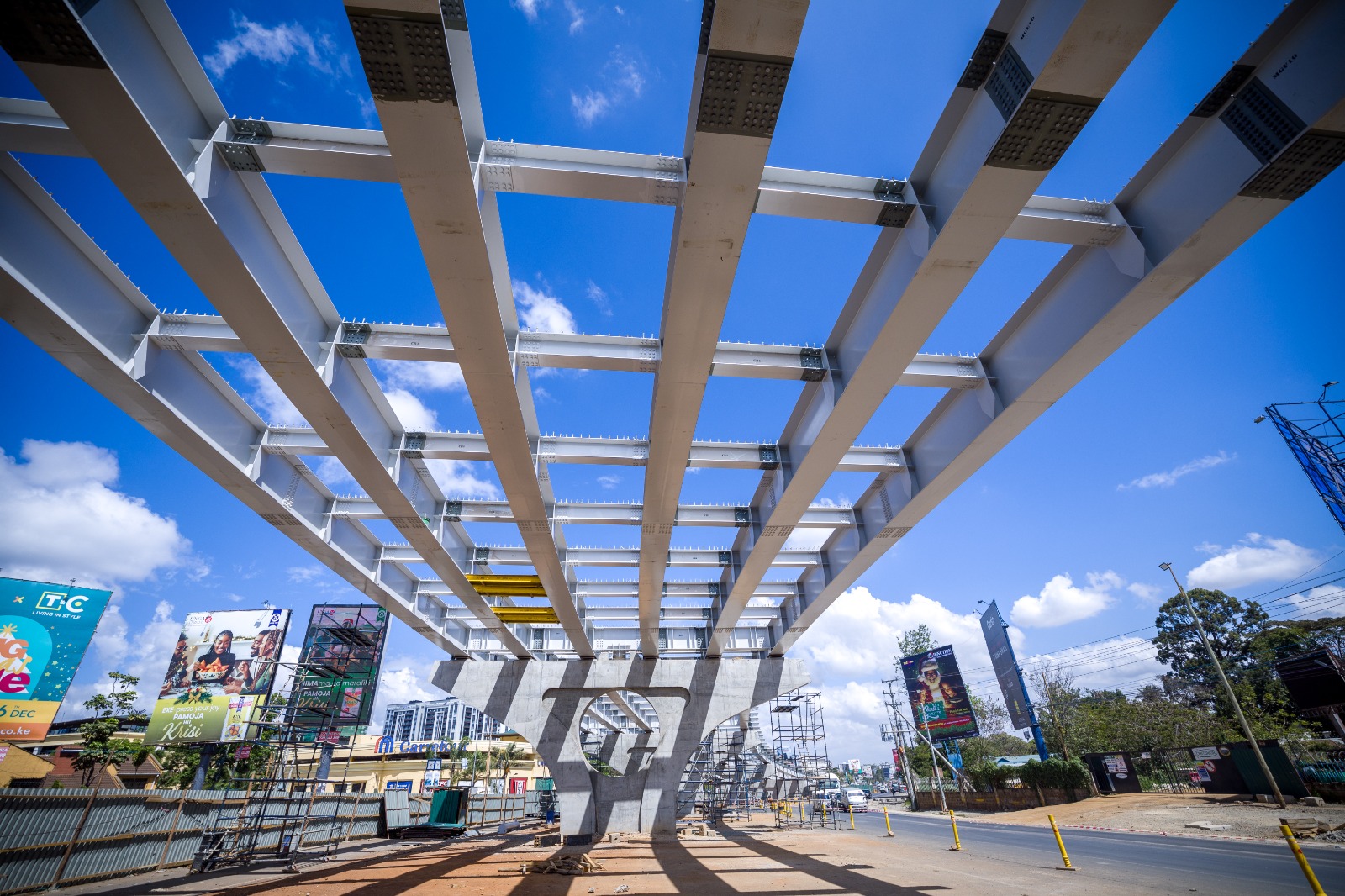 The Sh3.6 billion Ngong Road overpass project in Nairobi/HANDOUT
CAF President Patrice Motsepe captured the weight of the occasion during the official handover ceremony, where symbolism met expectation.
“Over to you, East Africa—we must not let Africa down,” Motsepe said.
Kenya’s Sports Cabinet Secretary Salim Mvurya expressed confidence that the region is ready for the challenge, pointing to recent successes in hosting continental events.
“After delivering what is widely regarded as the most successful CHAN in history, we are confident that AFCON 2027 will surpass all expectations,” Mvurya said.
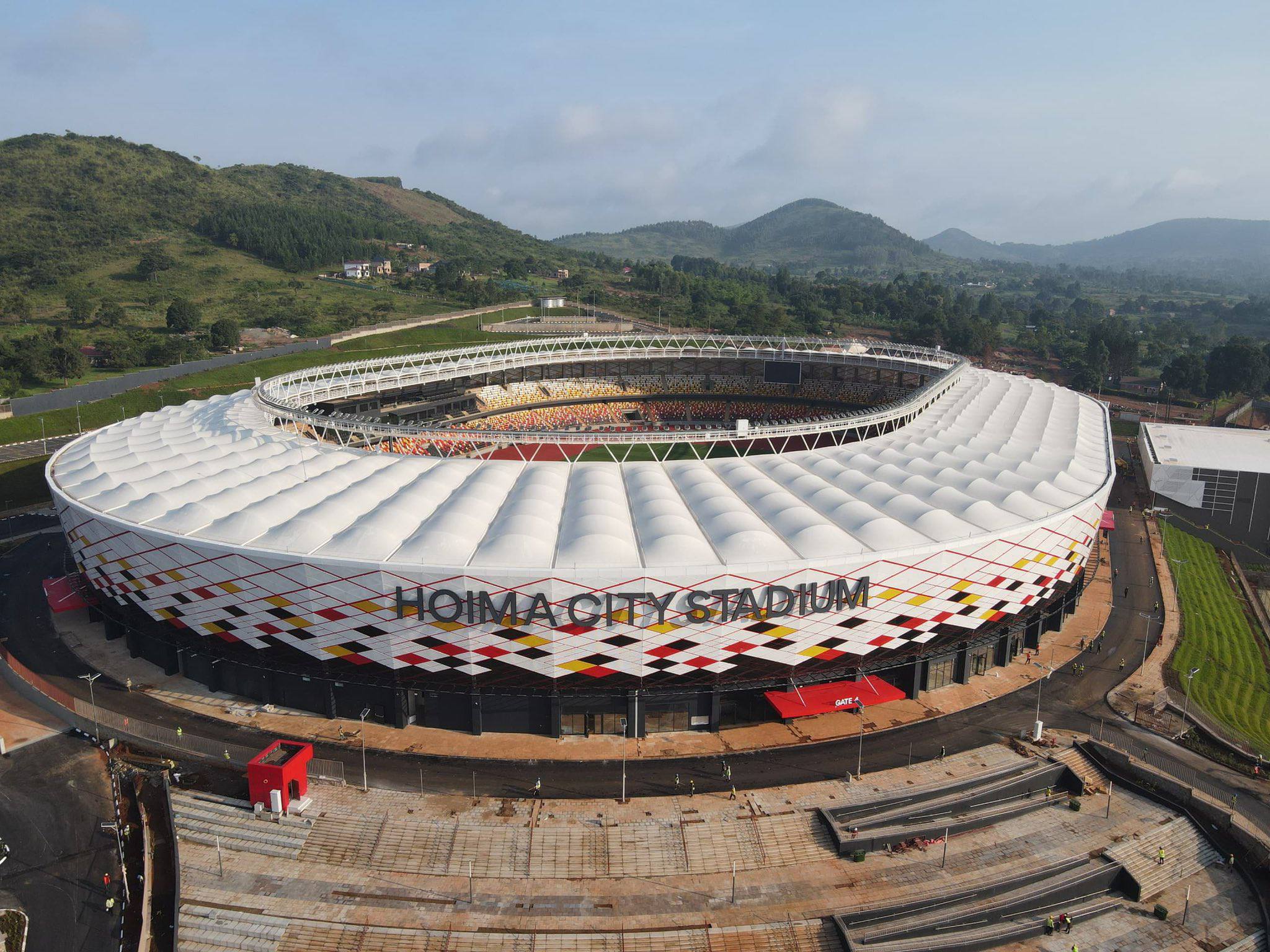 Hoima City Stadium located in Kyarwiru cell, Hoima East division-Hoima City, in Bunyoro region, Western Uganda./HANDOUT
“We went benchmarking in Morocco to learn from their experience, and we are determined to make this tournament bigger, better, and unforgettable. This is our moment to shine,” Mohammed said.
Morocco’s recent experience hosting AFCON offers a powerful case study of what East Africa could gain.

The North African nation recorded economic growth of 4.5 per cent in 2025, created more than 100,000 jobs and enjoyed a sharp rise in consumption during the tournament period. Morocco earned more than €1 billion (Sh151 billion) in direct revenue from the competition, fully covering hosting costs, while mobilising €2.3 billion (Sh345 billion) in structural investments aligned with preparations for the 2030 World Cup.
CAF data shows that revenues generated by AFCON have grown by 90 per cent, with ticket revenue rising dramatically from $11 million (Sh1.4 billion) at the 2023 edition in Ivory Coast to $55 (Sh7.9 billion) million in Morocco.
Mezzour said tourism inflows and domestic consumption were the main drivers of profit, revealing that car sales increased by more than 35 per cent while overall consumption rose by over 25 per cent during the tournament.
The social impact was equally significant. More than 100,000 jobs were created, many supported by international-standard training to ensure long-term employability.
Morocco welcomed 20 million tourists in 2025 — a 14 per cent increase — with around 600,000 visitors directly linked to AFCON, injecting liquidity into hotels, restaurants and craft industries.
For FKF president Hussein Mohammed, Morocco has “set a new standard” for hosting, even as he acknowledged the gap East Africa must close.
“There is no doubt that Morocco has delivered outstanding infrastructure, facilities and stadiums,” he said, adding that “key steps” are already being taken ahead of 2027.
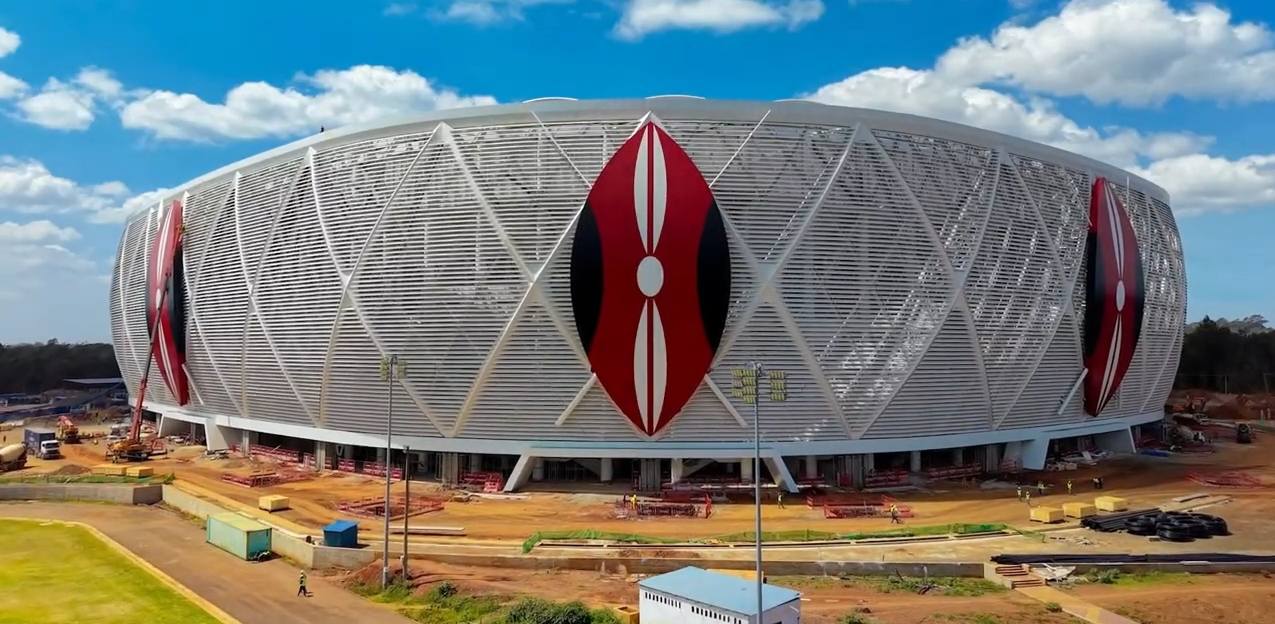
In East Africa, AFCON 2027 is already accelerating infrastructure investment. Kenya, Uganda and Tanzania are upgrading stadiums to CAF standards while improving roads, airports and urban services that will benefit citizens long after the final whistle.
In Kenya, President William Ruto has announced Sh1.4 billion to complete Bukhungu Stadium in Kakamega County, the largest sporting facility in Western Kenya, signalling a push to spread development beyond the capital.
All three countries are expected to benefit economically from the influx of fans, officials and media from across Africa and beyond.
Hotels, restaurants, transport operators and small businesses stand to gain directly, while governments anticipate increased tax revenues and job creation.
The AFCON tournament traditionally attracts hundreds of thousands of visitors, and the joint hosts are preparing for a similar surge. Hospitality sectors in Nairobi, Kampala, Dar es Salaam and host cities are already positioning themselves to tap into the anticipated boom.
Beyond economics, AFCON 2027 carries powerful political and diplomatic implications.
By jointly hosting the tournament, Kenya, Uganda and Tanzania have an opportunity to ease past political frictions and deepen regional cooperation.
Successfully delivering the event will require close coordination on security, transport, border management and logistics, collaboration that could strengthen ties and build trust beyond sport.
Analysts argue that the shared goal of hosting a successful AFCON could encourage resource-sharing and knowledge exchange across the three nations.
AFCON 2027 will also place East Africa’s natural and cultural riches on a global stage. Uganda’s Bwindi Impenetrable Forest, home to mountain gorillas, Kenya’s Maasai Mara and Tanzania’s Serengeti, famed for the Great Migration , are among the world’s most iconic destinations.
The tournament offers a unique opportunity to convert football fans into long-term tourists.
Visitors arriving for matches may extend their stays or return later to explore the region’s wildlife, beaches and landscapes.
Cultural diversity will be another major attraction. Uganda, Kenya and Tanzania boast rich traditions, languages and artistic expressions.
Organisers plan cultural festivals, music concerts and traditional dance showcases alongside the tournament, offering visitors immersive experiences that go beyond football.
Hosting a continental event of AFCON’s scale guarantees extensive international media coverage.
For East Africa, that exposure is invaluable. Images of modern stadiums, vibrant fan zones and scenic landscapes will be broadcast across the continent and beyond, reshaping perceptions and boosting the region’s global profile.
by Allan Kisia