

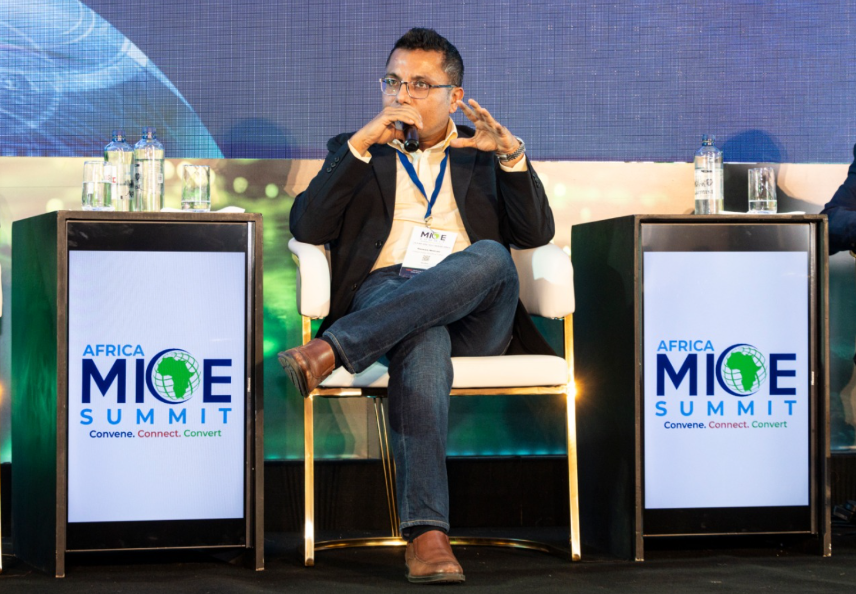
HASNAIN NOORANI is a first-class honours graduate in Manufacturing Engineering and Management from the University of Nottingham, but it is entrepreneurship that has defined his career. He joined his family business, PrideGroup of Companies, founded in 2006, at a time when it comprised two budget hotels, a car rental firm and a driving school.
He has gone ahead to build a multi-billion-dollar hospitality group—PrideInn Hotels, Resorts and Camps with about eight luxury hotels located across five counties in Kenya, along with other businesses in hospitality, travel and energy that have created jobs, supported Kenya’s hospitality and tourism industry growth and the economy.
The Star spoke to Noorani, who is the founder and Group Managing Director of the hotel chain, who was recently named one of the 50 most influential CEOs in Kenya, on his personal journey, entrepreneurship, building a successful business and the future of Kenya’s hospitality and tourism industry.
Excerpts:
What was your childhood dream, career goals and did they come true?
Growing up, I was always curious about how things worked and how businesses were built. My early dream was not necessarily to be in hospitality, but to build something meaningful that created value and opportunities for others. I studied engineering and management, which shaped my analytical thinking, but entrepreneurship eventually became my true calling. Looking back, my goals have evolved, but the core dream of building a lasting, impactful business has certainly come true.
Tell us about PrideInn Hotels, what inspired you to start the chain and what gap did you see in Kenya’s hospitality industry at the time?
PrideInn was born from a simple observation; there was a clear gap between luxury hospitality and affordability in Kenya. Many travelers, both local and international, wanted quality service, consistency and comfort without paying five-star prices. We set out to offer five-star service at three-star value. That philosophy became the foundation of PrideInn and continues to guide our growth today.
What does a typical day look like for you?
No two days are ever the same. My day usually starts early with strategy discussions, operational reviews and engagement with different teams across the group. I spend time reviewing performance, meeting partners, visiting properties and thinking about future opportunities. Importantly, I try to stay connected to the ground reality. Hospitality is a people business, and leadership requires presence.
Did you ever imagine PrideInn would grow into a multi-brand hospitality group when you first began?*
Honestly, no. The initial focus was to get one hotel right. Growth came organically as we identified opportunities in leisure, conferencing, resorts and camps. While the scale may have exceeded our original expectations, the ambition to grow responsibly and diversify was always there.
How has your personal background shaped your approach to entrepreneurship and leadership?
My background in engineering and management taught me discipline, systems thinking and problem-solving. Coming from a family business environment also instilled a strong sense of responsibility and resilience. I believe in building structures that last beyond individuals and that mindset has shaped my leadership approach.
What leadership principles have guided you through PrideInn’s growth?
Three principles stand out to me: integrity, people-centric leadership and consistency. I strongly believe in the philosophy that happy staff lead to happy customers, which in turn leads to sustainable profitability. Leadership is about setting direction, empowering teams and leading by example.
How do you balance rapid expansion with maintaining quality and brand consistency?
Growth without quality is meaningless. We expand carefully, ensuring systems, training and culture are firmly in place before scaling. Standard operating procedures, continuous staff training and frequent internal audits help us maintain consistency across all properties.
What has been the most difficult business decision you have had to make as Managing Director?
Some of the hardest decisions involve people, especially during challenging periods such as economic downturns or the Covid-19 pandemic. Balancing business sustainability while protecting livelihoods is never easy, but transparency and empathy guide those decisions.
How would you describe the current state of Kenya’s hospitality and tourism sector?
The sector is resilient and full of potential. While it has faced global and local challenges, Kenya remains a highly attractive destination. We are seeing renewed confidence, increased domestic travel and growing interest in conferencing and experiential tourism.
What are the prevailing challenges in Kenya’s tourism industry and how can they be addressed?
Key challenges include infrastructure gaps, cost of operations, skills shortages and global competition. Addressing these requires public-private collaboration, targeted policy support, investment in skills development and sustained destination marketing.
Do you think the government is giving enough support to the industry? What can be done better?
The government has made positive strides, especially in marketing and visa reforms. However, more can be done in infrastructure development, tax incentives and reducing the cost of doing business. Stronger collaboration with industry players will yield better outcomes.
How can Kenya grow the MICE segment?
Kenya has immense potential in MICE tourism. Growth will depend on modern infrastructure, competitive pricing, skilled service providers and aggressive international marketing. Equally important is the establishment of a national convention bureau to coordinate bids, market Kenya globally and attract major international events. Continued investment in convention centres and improved connectivity will be critical to positioning Kenya as a leading global MICE destination.
What role do local hotel brands play in competing with international chains?
Local brands bring deep market understanding, cultural authenticity and agility. We understand Kenyan guests and regional dynamics better, allowing us to offer tailored experiences while still meeting global standards.
What policy or infrastructure changes would most benefit Kenya’s tourism industry?
Improved road networks, airport expansion, reliable utilities and digital infrastructure would significantly boost tourism. Policy consistency and investor-friendly regulations are equally important.
How important is domestic tourism to the sustainability of the hospitality sector?
Domestic tourism is vital. It provides stability during global disruptions and builds a strong local travel culture. Kenyans are increasingly exploring their country and this trend must be nurtured.
How is PrideInn integrating sustainability and environmental responsibility into its operations?
Sustainability is embedded in our operations and our organisations CSR efforts cover three key pillars: Environmental Conservation, Education and Health. As a brand, we are also focused on energy efficiency, waste management and continuous community engagement. We are investing in solar energy, water conservation and responsible sourcing while promoting eco-friendly guest practices.
What innovations or trends will define the future of hospitality in Africa?
Technology, personalisation, sustainability and experiential travel will shape the future. Guests are looking for authentic experiences, seamless digital engagement and responsible brands.
How did PrideInn navigate challenges such as economic downturns or the Covid-19 pandemic?
We focused on adaptability, cost discipline, innovation and teamwork. We diversified our offerings, strengthened domestic markets and kept communication open with staff and partners.
What lessons did you learn during the most challenging period in your business career?
Resilience and agility are critical. Challenges test leadership character and reinforce the importance of strong teams, prudent financial management and long-term thinking.
What responsibility do successful businesses have toward the communities they operate in?
Businesses must create shared value; through jobs, skills development, environmental stewardship, and community support. Success should uplift society, not exist in isolation.
How does PrideInn contribute to job creation and skills development in Kenya?
We employ thousands directly and indirectly and invest heavily in training. Many of our leaders started in entry-level roles, which reflects our commitment to career growth.
Are there any community initiatives particularly close to your heart?
Education, youth empowerment and environmental conservation are very close to my heart. These areas have long-term impact and shape future generations.
Who has been the most influential mentor in your life or career?
I have been fortunate to learn from several mentors, including family members, business leaders and colleagues, who have taught me discipline, humility and strategic thinking. I must also acknowledge my father, who has been a strong beacon in shaping my life choices and to whom many of my successes are deeply owed.
What habits or routines do you credit for your success?
Consistency, continuous learning, discipline and surrounding myself with capable people. I also value reflection; it helps me stay grounded.
What advice would you give young Kenyans aspiring to become entrepreneurs?
Start with a real problem, be patient, learn continuously and don’t fear failure. Build integrity and invest in people; success is rarely a solo journey.
How would you like PrideInn Hotels to be remembered in 20 years?
As a proudly Kenyan brand that redefined hospitality, empowered people and consistently delivered exceptional experiences. As I always tell my teams, we deliver Global Feel with Kenyan Soul.
What legacy do you personally hope to leave behind?
I hope to leave a legacy of ethical leadership, opportunity creation and institutions that continue to create value long after my time.
by MARTIN MWITA