
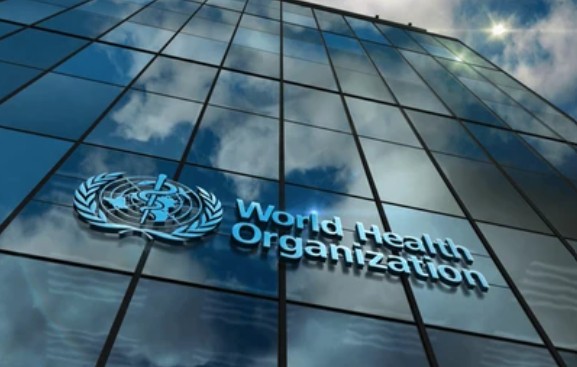
Withdrawal of the United States from the World Health Organization will set back countries such as Kenya, which had made progress against infections such as malaria, HIV-Aids and polio, the WHO has said.
Not all life-saving programmes will end or be gutted, but many will. The pull-out will also have the effect of promoting increased self-reliance.
WHO said the US has contributed significantly to the progress against polio, HIV-Aids, Ebola, influenza, tuberculosis, malaria, neglected tropical diseases, and antimicrobial resistance, among others.
The US has historically been the largest contributor to the WHO, providing around $958 million (Sh123.48 billion) in the 2024-25 period, or 15 per cent of the organisation’s budget. The Gates Foundation was the second-biggest donor. The US funding is key for emergency responses, polio and other health initiatives.
WHO said in a statement: “As a founding member of the World Health Organization, the United States of America has contributed significantly to many of WHO’s greatest achievements, including the eradication of smallpox, and progress against many other public health threats including polio, HIV, Ebola, influenza, tuberculosis, malaria, neglected tropical diseases, antimicrobial resistance, food safety and more.”
“WHO therefore regrets the United States’ notification of withdrawal from WHO ¾ a decision that makes both the United States and the world less safe.”
It said the notification of the completed withdrawal raises issues that will be considered by the WHO Executive Board at its regular meeting on February 2 and by the World Health Assembly at its annual meeting in May 2026.
The US gave the required one-year’s notice of withdrawal one year ago.
WHO also said it took note of statements from the government of the United States that the world health agency has “trashed and tarnished” and insulted it, and compromised its independence.
“The reverse is true. As we do with every member state, WHO has always sought to engage with the United States in good faith, with full respect for its sovereignty,” the organisation said.
Concerning one reason for withdrawal, the US said: “WHO failures during the Covid-19 pandemic”, including “obstructing the timely and accurate sharing of critical information”. It said WHO concealed those failures”.
WHO said in a statement that it stands by its response to the unprecedented global health crisis of the Covid pandemic.
“Throughout the pandemic, WHO acted quickly, shared all information it had rapidly and transparently with the world, and advised member states on the basis of the best available evidence,” the organisation said.
“WHO recommended the use of masks, vaccines and physical distancing, but at no stage recommended mask mandates, vaccine mandates or lockdowns. We supported sovereign governments to make decisions they believed were in the best interests of their people, but the decisions were theirs.”
Kenya is a major contributor and donor to the WHO. Like other WHO members, Kenya pays mandatory fees, known as assessed contributions, based on their economic strength.
These contributions cover less than 20 per cent of the WHO’s budget and the rest comes from voluntary donations by countries, charities and other partners.
For 2024-25, Kenyan contribution was about Sh44 million, split equally over the two years. The country is a major beneficiary of WHO programmes.
Last month, Health Cabinet Secretary Aden Duale met WHO boss Dr Tedros Adhanom Ghebreyesus, on the sidelines of the 2nd WHO Global Summit on Traditional Medicine in India.
The meeting focused on deepening Kenya’s strategic partnership with WHO, with particular emphasis on strengthening health systems, local manufacturing, regulatory capacity, and emergency preparedness.
The Cabinet Secretary reaffirmed Kenya’s appreciation for WHO’s longstanding collaboration in health, science and innovation, while underscoring the country’s intention to elevate the partnership beyond traditional assistance models.
“Our priority is to advance technology transfer, industrial collaboration, and sustainable systems strengthening,” Duale said.
“This approach aligns fully withPresident William Ruto’s role as African Union Champion for Local Manufacturing, aimed at reducing dependency and strengthening Africa’s capacity to produce essential health commodities.”
by JOHN MUCHANGI