



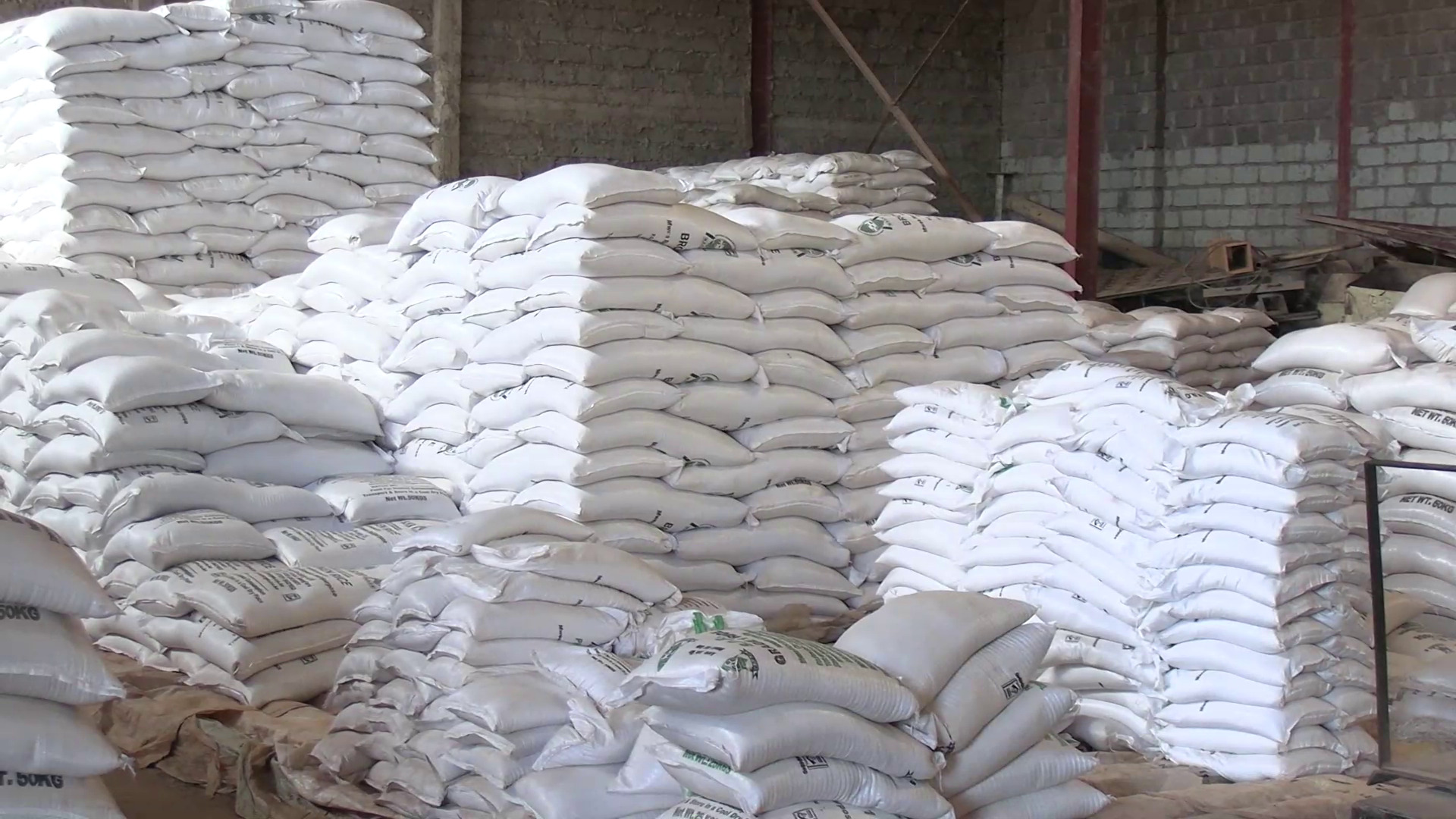
All local rice delivered has been fully taken up and paid for, easing fears of stock accumulation and delayed payments, government agencies have said.
Rice farmers were reassured during a visit to the Mwea Rice Growers Multipurpose (MRGM) Co-operative Societyby senior government officials. They were led by Agriculture and Food Authority Director-General Bruno Linyiru, National Cereals and Produce Board acting MD Samuel Ndung’u, and Kenya National Trading Corporation MD Lucy Anangwe.
The visit aimed to assess rice uptake, payments, and farmer concerns at a time of public debate around imports and domestic production.
Speaking during the visit, co-operative MD Anthony Waweru said offloading of rice stocks has been smooth, with no complaints from farmers.
He said the cooperative recorded a carry-over of less than one per cent from 2025 to 2026, a sharp improvement compared to a nearly 30 per cent carry-over the previous year.
“As of December 31, I can confirm the Kenya National Trading Corporation has paid for all rice delivered,” Waweru said. “Based on our projections, KNTC is ready to take up all the rice that farmers bring.”
Founded in 1964, MRGM is the oldest and largest rice cooperative in the country, representing farmers in the Mwea Irrigation Scheme, which produces about 65 per cent of Kenya’s total rice output.
Waweru said rice production has increased significantly since the construction of the Thiba Dam, which has made three annual cropping seasons.
Farmers have already harvested the main crop and delivered about 40,000 bags, with annual production projected at 1.6 million 100-kilogramme bags of paddy rice this year.
 MRGM managing director Anthony Waweru takes a team of government officials round the co-operative’s stores in Mwea, Kirinyaga, on January 22, 2026/ ALICE WAITHERA
He praised the government for its measures to support marketing of local rice, saying slow uptake had previously created serious challenges for the cooperative.
“Now we have been able to dispose of what we had. KNTC has already paid for all we have delivered, save for the last consignment, and has promised to procure what we will have this year,” Waweru said. “Prompt payment will ensure farmers are not delayed as in previous years.”
He said the Sacco’s mill has capacity to process all rice produced in the area within a few months.
AFA’s Linyiru reiterated that local farmers produce premium rice that does not directly compete with imports, which target a different market segment.
“What’s imported is non-basmati rice, which is cheaper. There is no competition between imported rice and locally produced Pishori,” he said.
While imported rice retails at Sh80 to Sh100 per kilogramme, Mwea Pishori consistently sells at Sh140 to Sh160 per kilogramme due to its superior aroma and quality. Popular local varieties include Pishori and Komboka.
Kenya grows rice in two irrigated seasons and one rain-fed season. The main irrigated season runs from January to February, with harvesting between June and August in key schemes, such as Mwea, Ahero, West Kano, Bunyala and Perkerra.
A second irrigated season is harvested between November and December, while rain-fed production depends on the long rains.
Over three years, national production has steadily increased, with 123,916 metric tonnes of milled rice produced in 2022, 137,438 tonnes in 2023, and 169,291 tonnes in 2024.
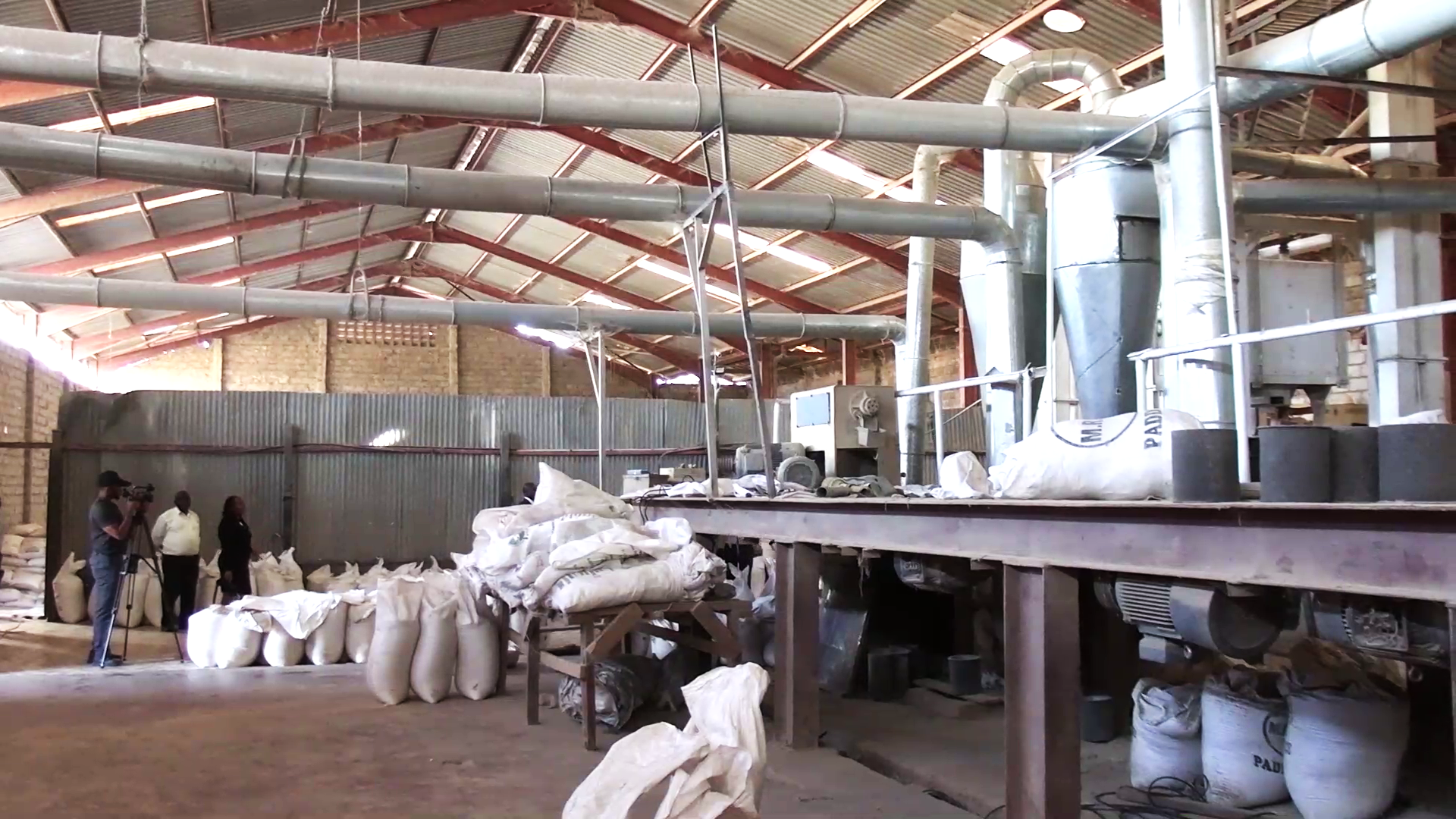 Mwea Rice Growers Multi-purpose Co-operative Society’s mill that has the capacity to process five tonnes of produce per hour/ ALICE WAITHERA
In 2026, paddy production is projected to reach 302,000 tonnes, equivalent to about 181,200 tonnes of milled rice.
However, domestic production still meets only about 20 per cent of national consumption, as demand rising due to population growth, urbanisation, and changing dietary habits.
The officials said imports play a role in stabilising prices, citing non-basmati rice, which retailed at Sh166 to Sh189 per kilogramme in August 2025.
After the importation of 250,000 tonnes in November, prices dropped to Sh149 to Sh155 per kg.
By December, prices rose again to Sh172 and Sh175 per kg as supplies tightened. More than 95 per cent of imported rice is non-basmati.
KNTC’s Anangwe said the trading corporation will buy the remaining local stocks over the next two months. He announced the corporation has received a Sh200 million grant to procure rice from farmers’ cooperatives. So far, about Sh120 million has been utilised.
“My plea is for farmers to avoid selling to middlemen and instead join Saccos, which help with traceability and fetch higher prices,” she said. “For example, MRGM offers a farm-gate price of Sh90 per kg.” She added that all rice delivered to the corporation will be paid for within 30 days.
Farmers, meanwhile, are engaged in a legal battle over imports. On Tuesday, Justice Edward Muriithi issued conservatory orders stopping the Kenya Revenue Authority from releasing imported rice at the Port of Mombasa, pending the hearing of an application filed by farmers.
The case, filed last year, sought to block the importation of 500,000 tonnes of rice, which farmers said would lead to a collapse in prices as their produce remained unsold in stores.
In August, the Kerugoya High Court allowed only a reduced importation of 250,000 tonnes and ordered regular progress reports on local stocks.
by ALICE WAITHERA