
![Six Kenyan Creatives Win Sh4.5M in Capture the Good Challenge [Details]](https://www.breakingkenyanews.com/wp-content/uploads/2026/09/cfbe48b2-fc56-43e3-93d4-3a1de9043bf5-300x200.webp)

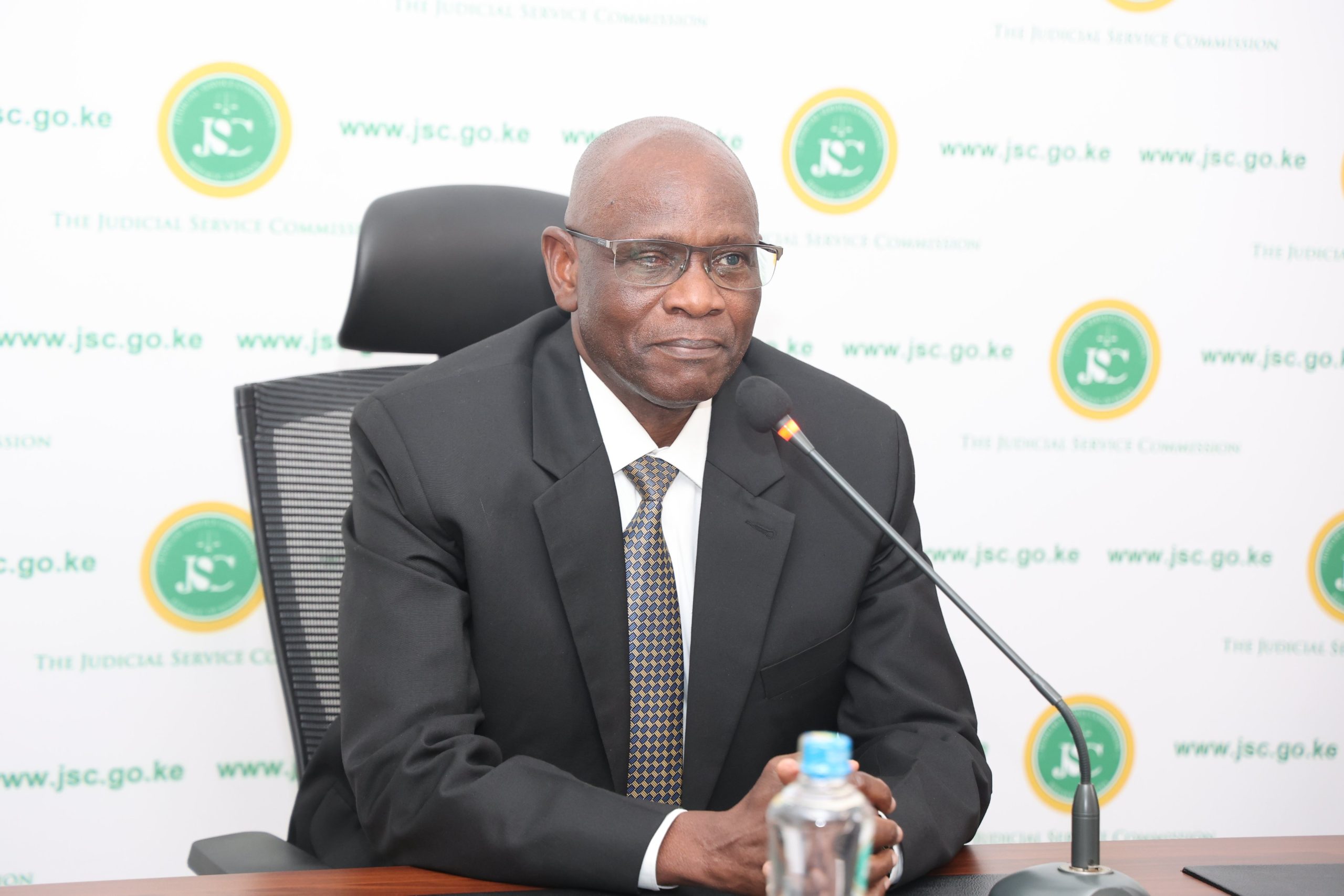
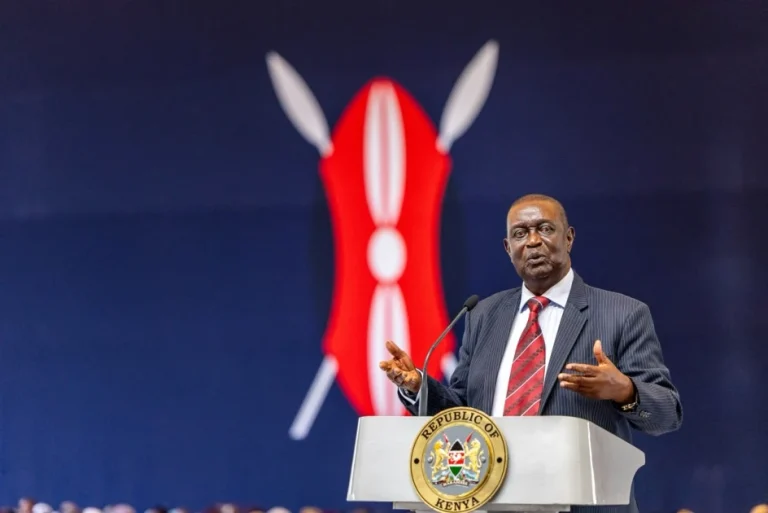
High Court Judge Chacha Mwita has highlighted the global reach of Kenyan jurisprudence, revealing that he sometimes has to subscribe to online platforms to access judgments he personally authored.
He said the experience, though surprising, underscores the growing influence of his judicial work, with his decisions increasingly circulating beyond national borders and informing legal thinking in other jurisdictions.
Mwita made the remarks during Judicial Service Commission (JSC) interviews, which are being held to fill vacancies in the Court of Appeal.
“A good judge doesn’t have to announce himself. His judgments will travel across the world,” Mwita said, borrowing from a familiar judicial maxim as he spoke about the impact of his work.
He added that while conducting his own legal research, he has occasionally encountered his decisions on online platforms that require paid subscriptions to access, even when the rulings originated from his own court.
“Sometimes I am surprised when I am doing my own research to find my own judgment on a website where I am asked to subscribe just to get my own decision,” he said.
For Mwita, the irony of paying to read one’s own work is less important than what it signifies.
He said it demonstrates how Kenyan court decisions are being cited, analysed, and relied upon beyond the country’s borders, contributing to what he described as the “pollination of jurisprudence across the world.”
In his view, this cross-border movement of ideas reflects the growing maturity and relevance of constitutional adjudication emerging from Kenya’s courts.
Mwita is among the candidates appearing before the JSC panel, chaired by Chief Justice Martha Koome, during interviews that began on Monday, January 12, 2026.
The recruitment exercise seeks to fill 15 vacancies in the country’s second-highest court, following the shortlisting of 35 candidates drawn from the High Court, specialised courts, and other eligible judicial officers.
The process has seen candidates questioned on their judicial philosophy, temperament, integrity, and ability to handle the demands of appellate work.
Mwita told the interviewers that, beyond the reach of his judgments, he brings personal qualities that would be beneficial to the Court of Appeal.
He cited hard work, discipline, patience, and simplicity, noting that these traits have guided his judicial career.
He also emphasised his commitment to meeting timelines, saying efficiency and consistency are critical in reducing delays and strengthening public confidence in the justice system.
He said his record on the bench speaks for itself, pointing to decisions he has rendered both individually and as part of multi-judge benches.
According to Mwita, those decisions demonstrate his approach to constitutional interpretation, respect for precedent, and ability to work collaboratively with colleagues—skills he said are essential at the appellate level.
by JAMES GICHIGI


![Six Kenyan Creatives Win Sh4.5M in Capture the Good Challenge [Details]](https://www.breakingkenyanews.com/wp-content/uploads/2026/09/cfbe48b2-fc56-43e3-93d4-3a1de9043bf5-768x512.webp)