



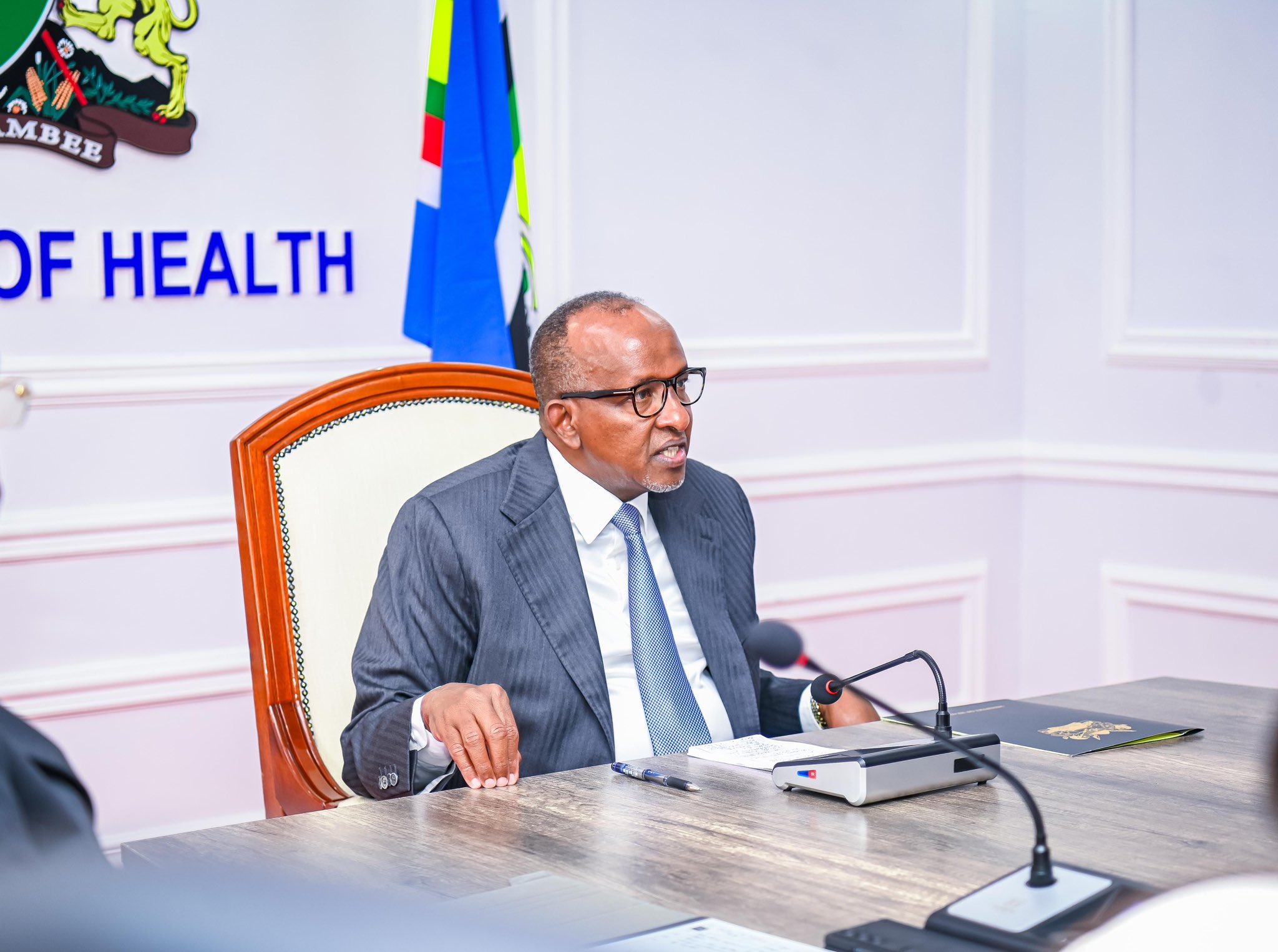
The Ministry of Health has recommended the registration of Lenacapavir, a long-acting HIV prevention medicine.
The move marks a major step toward expanding the country’s HIV prevention options.
In a statement on Friday, the Ministry said the Pharmacy and Poisons Board had approved Lenacapavir 300 mg tablets and Lenacapavir 464 mg solution for injection for registration after a comprehensive scientific review.
The assessment examined the drug’s quality, safety and efficacy in line with Kenyan laws and international regulatory standards.
Kenya is now among the first African countries to recommend Lenacapavir for registration, a move the Ministry said aligns with recent World Health Organization guidance.
“Kenya is among the first African countries to recommend Lenacapavir for registration, a decision that aligns with recent global public health guidance, including recommendations by the World Health Organization, and reflects the country’s growing regulatory capacity and leadership in enabling timely access to innovative health technologies of public health importance,” Health CS Aden Duale said.
He noted that the decision reflects the country’s growing regulatory capacity and leadership in enabling timely access to innovative public health technologies.
Lenacapavir works by blocking critical stages of the HIV lifecycle, preventing infection.
Its long-acting injectable formulation allows for administration just twice a year, offering an alternative to daily oral pre-exposure prophylaxis (PrEP).
This option is expected to benefit individuals who face difficulty taking daily pills due to stigma, pill fatigue, or challenges with adherence.
Kenya has expanded access to daily oral PrEP across all 47 counties in recent years.
However, the Ministry acknowledged that some people struggle with consistent pill use.
Long-acting options such as Lenacapavir could help close that gap by offering a more convenient prevention method.
Global health partners have prioritised Kenya for the initial rollout of Lenacapavir, and preparatory work is already underway to ensure its introduction is timely, equitable and responsible for populations at substantial risk of HIV infection.
The Ministry said the move underscores its commitment to reducing new HIV infections, broadening prevention choices and advancing national efforts to end HIV as a public health threat.
Duale added that all new health products will continue to undergo rigorous assessment to ensure safety, quality and effectiveness.
“The Ministry of Health reaffirms its commitment to expanding HIV prevention options, reducing new HIV infections, and advancing the national goal of ending HIV as a public health threat, while ensuring that all health products introduced in the country meet the highest standards of safety, quality, and effectiveness,” he said.
by SHARON MWENDE