
![Six Kenyan Creatives Win Sh4.5M in Capture the Good Challenge [Details]](https://www.breakingkenyanews.com/wp-content/uploads/2026/09/cfbe48b2-fc56-43e3-93d4-3a1de9043bf5-300x200.webp)

Kenya’s construction professionals have expressed concern over repeated building collapses in the country, saying lessons from past disasters have not been implemented.
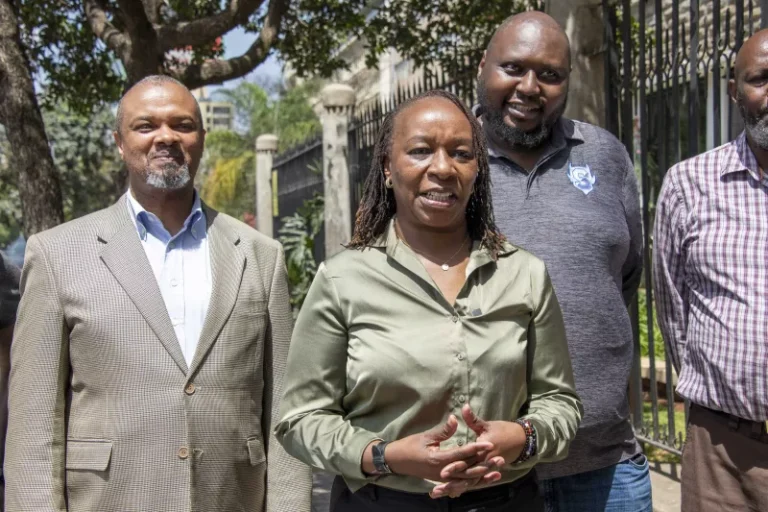
In a joint statement, leaders of more than ten professional bodies, including engineers, architects, planners, quantity surveyors, project managers, surveyors, and valuers, called for a thorough review of the construction sector following the collapse of a multi-storey building under construction in South C.
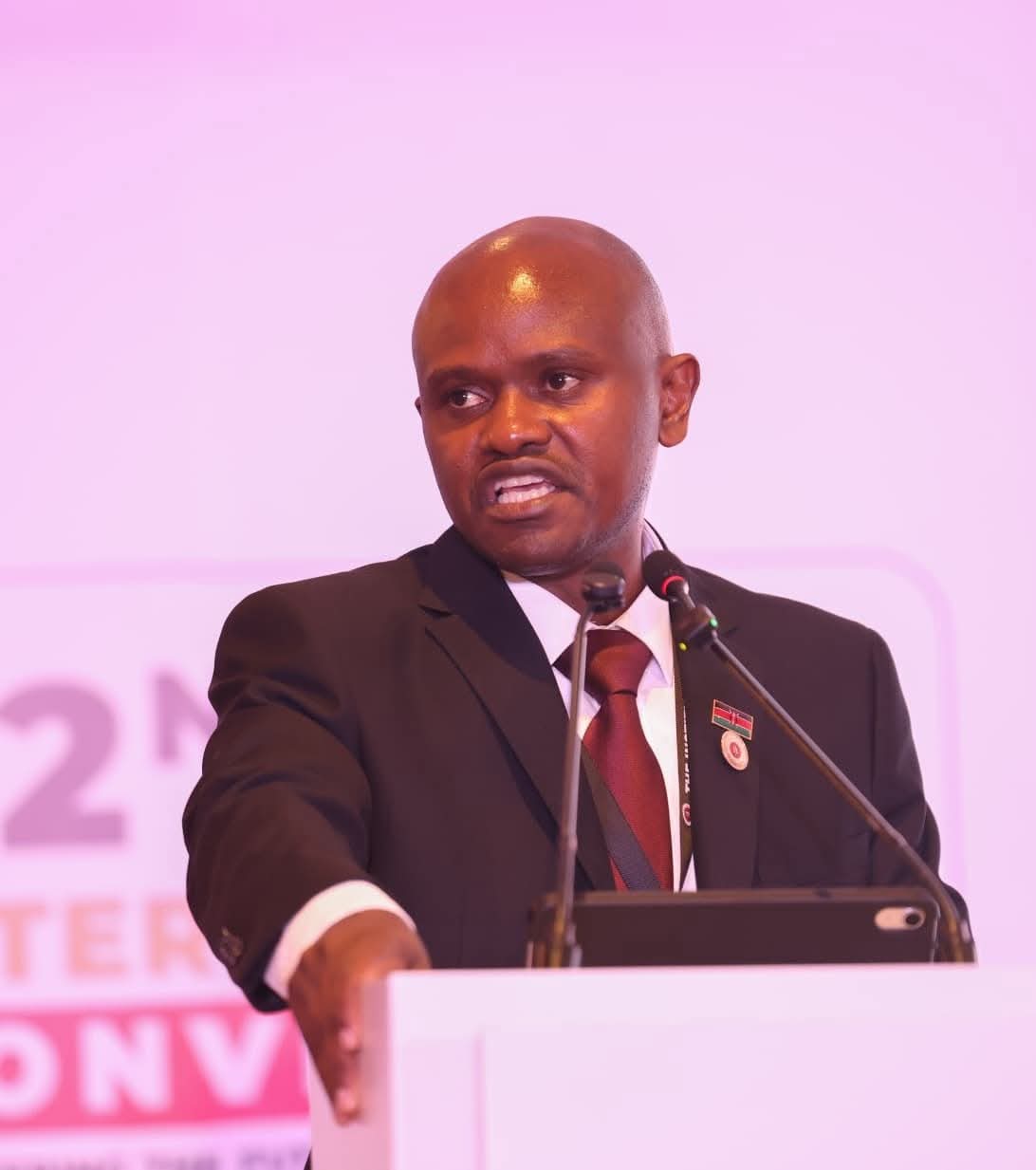
The statement, read by Shammah Kiteme, president of the Institution of Engineers of Kenya, said more than 200 buildings have collapsed in Kenya since 1996, and warned that a culture of impunity has made such failures a recurring national tragedy.
“The South C collapse was preventable and highlights deep-rooted systemic failures across planning, approvals, construction, supervision, and enforcement,” Kiteme said.
“Each life lost represents a collective failure that must weigh heavily on our conscience.”
The associations acknowledged that professionals themselves bear responsibility when design, supervision, certification, or ethical standards are compromised.
They added that building collapses are rarely caused by a single error, but by interconnected lapses.
The professionals urged that developers involved in collapses provide reparations to victims’ families and that their other projects undergo immediate audits.
County governments also came under scrutiny. They called for counties to appoint fully empowered Chief Architects, Engineers, Planners, Surveyors, and Valuers to oversee inspections and quality control of all approved developments.
Among the reforms proposed are mandatory peer review at all stages of construction, from planning and design to execution, to ensure independent safety checks, and the creation of a national planning information system linking all counties and making approved project details publicly accessible.
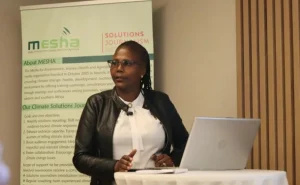
Maureen Mbithi Ochang, President of the Project Management Institute Kenya (PMIK), said the collapse exposed weaknesses in project coordination and oversight. She urged that discussions on accountability remain evidence-based and guided by factual findings.
“We support the work of investigative authorities and encourage that the outcomes of these inquiries be used to strengthen construction governance and enforcement mechanisms across the sector,” Ochang said.
The professional bodies also called for thorough investigations into the South C collapse, public dissemination of findings, and concrete reforms to prevent similar tragedies in the future.
by JACKTONE LAWI



![Six Kenyan Creatives Win Sh4.5M in Capture the Good Challenge [Details]](https://www.breakingkenyanews.com/wp-content/uploads/2026/09/cfbe48b2-fc56-43e3-93d4-3a1de9043bf5-768x512.webp)