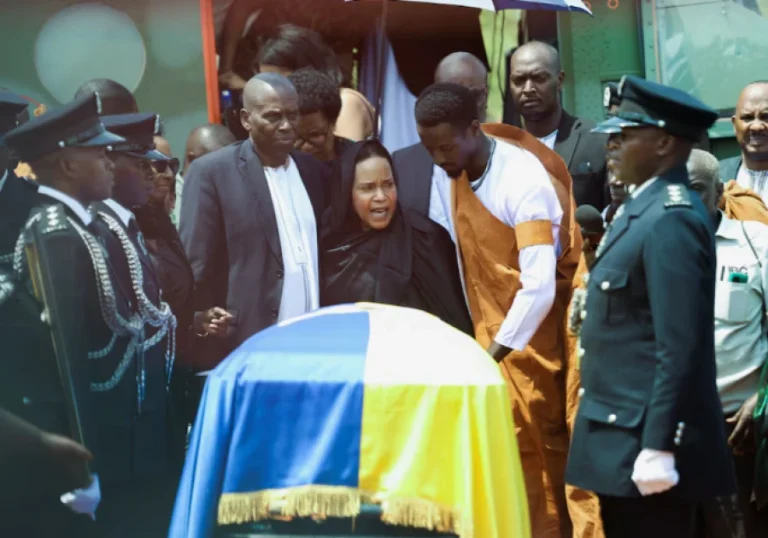

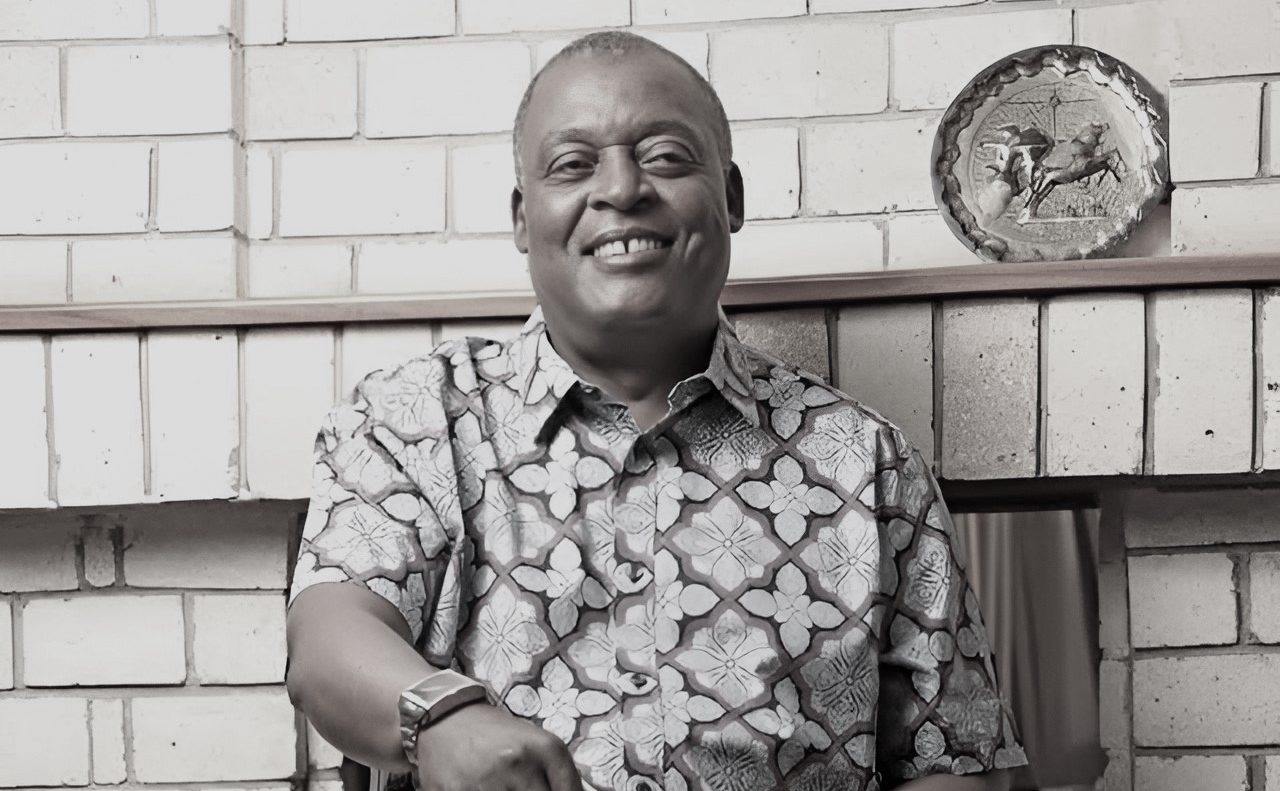
The death of former Lugari MP and ex-minister Cyrus Jirongo has sparked a national debate that blends modern politics with ancient tradition.
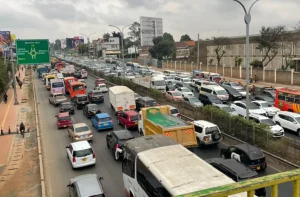
On 13 December, Jirongo died in a head-on collision at Karai, Naivasha, when his Mercedes-Benz struck a bus. While official reports label the incident a road accident, many of his allies and family members suspect foul play.
A Controversial Exit
Questions surround the final moments of the veteran politician. Former Vihiga Senator George Khaniri pointed out that Jirongo’s car was equipped with 12 airbags, yet none deployed during the crash.

Furthermore, while the bus involved reportedly carried 65 passengers, no witnesses have come forward with photos or accounts of the collision.
Political leader Martha Karua also revealed that Jirongo had expressed fears for his safety in the days leading up to his death.
Because of these uncertainties, leaders from the Luhya community are now pushing for Jirongo to be buried according to the strict customs of the Tiriki subclan.
“I offer to buy the torch that Jirongo will be buried with. We must know the truth.” Moses Kuria, former Cabinet Secretary, stated during the requiem mass on Saturday.
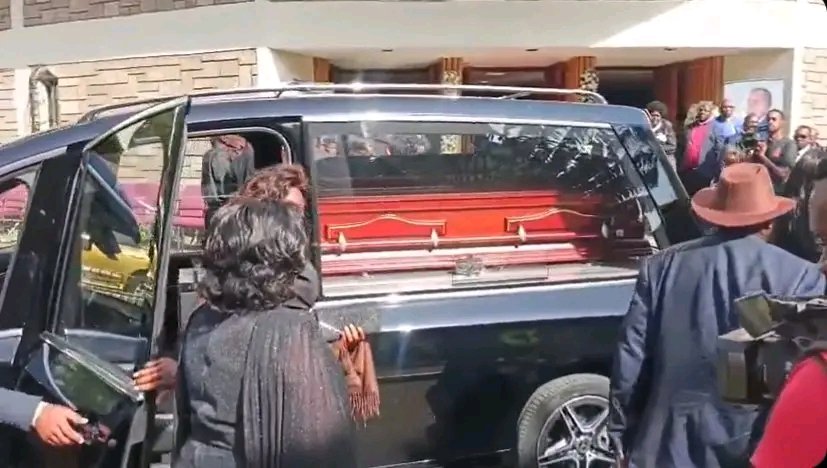
The Essence of the Lit Torch
In Tiriki culture, being buried with a lit torch is a ritual reserved for those believed to have been murdered or killed under suspicious circumstances. The practice is deeply symbolic and serves as a spiritual quest for justice.
According to tradition, a lit torch is placed inside the casket before it is lowered into the grave. The flame or battery is intended to “illuminate” the truth and reveal the identity of the killers.
The Tiriki believe the deceased is spiritually empowered to hunt for those responsible from the spirit world.
The Spiritual Hunt for Justice
The ritual carries a heavy warning for any potential culprits. Custom dictates that as long as the torch remains lit, the deceased is actively pursuing their enemies. The most significant moment occurs when the torch eventually goes out.

At that point, it is believed the person responsible for the death will suffer a similar fate, such as dying suddenly or losing their mind.
To aid in this spiritual pursuit, the deceased may also be buried with other symbolic items like a knife, panga, broom, or stick to punish the offender.
Political and Cultural Backing
Trans Nzoia Governor George Natembeya has been a vocal supporter of the ritual. He argues that several Luhya leaders who opposed state excesses have died in similar ways and that these traditions must be used to ensure accountability.
“If there is anybody involved in Jirongo’s death, we tell him not to rest… and follow that killer to the grave.” — Elder Wandabuli.
Tiriki elders have already visited Jirongo’s home in Gigiri to perform initial rites and invoke blessings. Before his final send-off in Lumakanda on 30 December, a ceremony will be held at the accident site in Naivasha to “collect” his spirit and escort it home.
This ensures the spirit does not remain at the scene of the tragedy but returns to its ancestral land to seek justice.