


In early 2025, global focus turned toward Nairobi as the United Nations began reshaping its footprint on the African continent.
As a flagship initiative under its UN@80 reform strategy, the UN announced plans to establish three new global offices in Nairobi—hosting key agencies such as UNICEF, UNFPA, and UN Women—by the end of 2026.
These additions would join Nairobi’s existing headquarters for UNEP and UN‑Habitat, lifting the city into a rare league alongside New York, Geneva and Vienna as principal duty stations.
This move cements Nairobi not just as a regional center for UN operations but as a vibrant global logistics and governance hub.
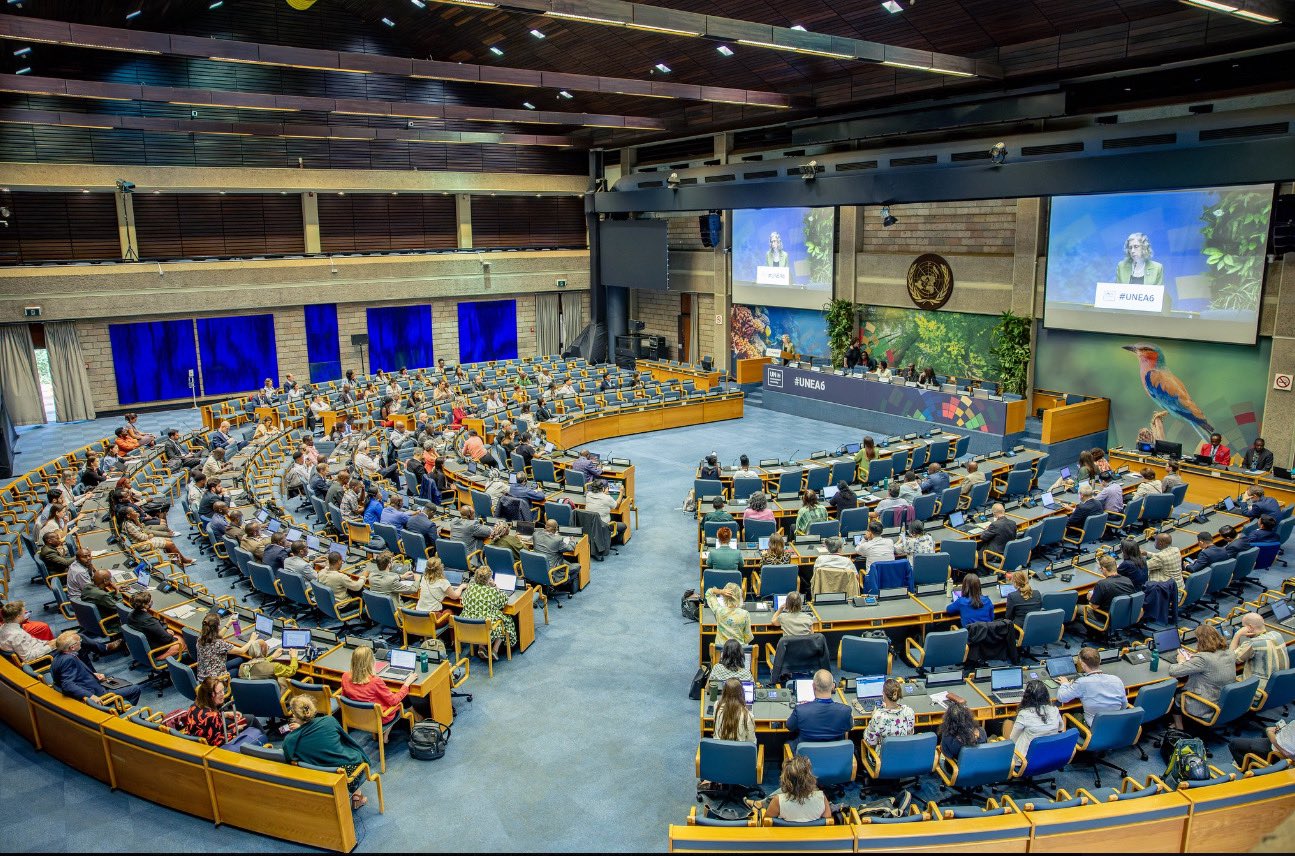
Today, Nairobi hosts 86 UN offices, with 73 located in the Gigiri complex. Staff numbers have ballooned from 300 at the time of UNEP’s founding to more than 6,500, supporting over 11,000 dependents, according to UNON Director-General Zainab Bangura.
At stake are both strategic and economic gains. Prime Cabinet Secretary Musalia Mudavadi emphasised Kenya’s suitability as a UN operations base in East and Southern Africa, citing its connectivity, banking infrastructure and media industry reach.
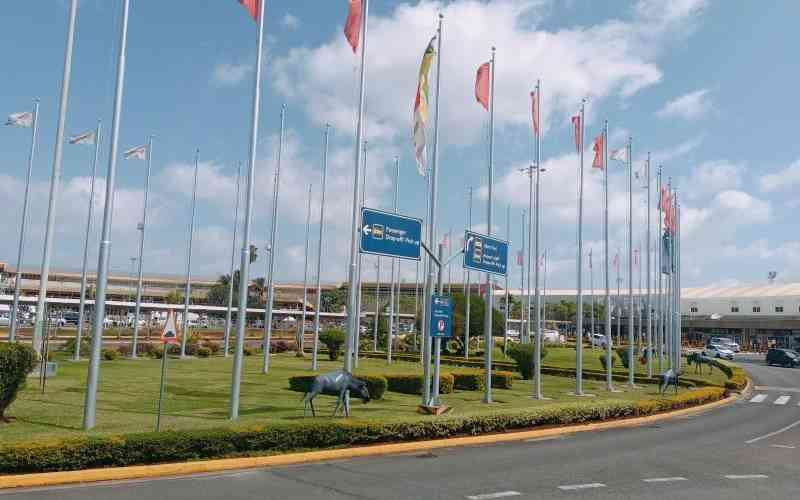
A humanitarian logistics hub at Jomo Kenyatta International Airport (JKIA) is also in advanced discussions.
If realised, this would become the continent’s first such facility, with a planned corridor linking JKIA to Mombasa and Naivasha, enabling swift regional humanitarian response.
The UN has already committed $300 million toward expanding infrastructure in Nairobi, including building a new 9,000‑seat Assembly Hall, potentially giving the city capacity to host a full UN General Assembly session—a historical first outside New York or Geneva.
Overall projected investment totals around $340 million (about Ksh44 billion).
Operational efficiency is also driving this push. Since January 2024, 80 UN entities operating within Kenya have consolidated common back‑office functions—covering HR, procurement, finance, ICT, logistics—under the Kenya Common Back Office (KCBO).
Over 98,000 service requests have been processed, enabling agencies such as UNICEF and FAO to redirect savings into their SDG‑focused programming.
Staff satisfaction is high: key service-level satisfaction rates exceed 93% in areas such as ICT and facilities management.
For Kenya, the stakes are high. Citizens and policymakers see Nairobi’s expanded UN presence as a boon—delivering thousands of direct jobs, foreign exchange earnings, and enhanced international prestige.
Kenyans on community platforms have debated the impact, noting that higher demand for housing in upscale locales like Gigiri or Runda may ripple into other neighbourhoods.
In sum, Kenya’s growing importance within the UN system is no longer just symbolic.
With practical infrastructure plans underway at JKIA, new agency headquarters taking shape in Gigiri, and streamlined systems delivering efficiency, Nairobi is fast becoming a pivotal node in global humanitarian and development architecture joining the ranks of the world’s most influential UN centres.
by sheila chelangat