


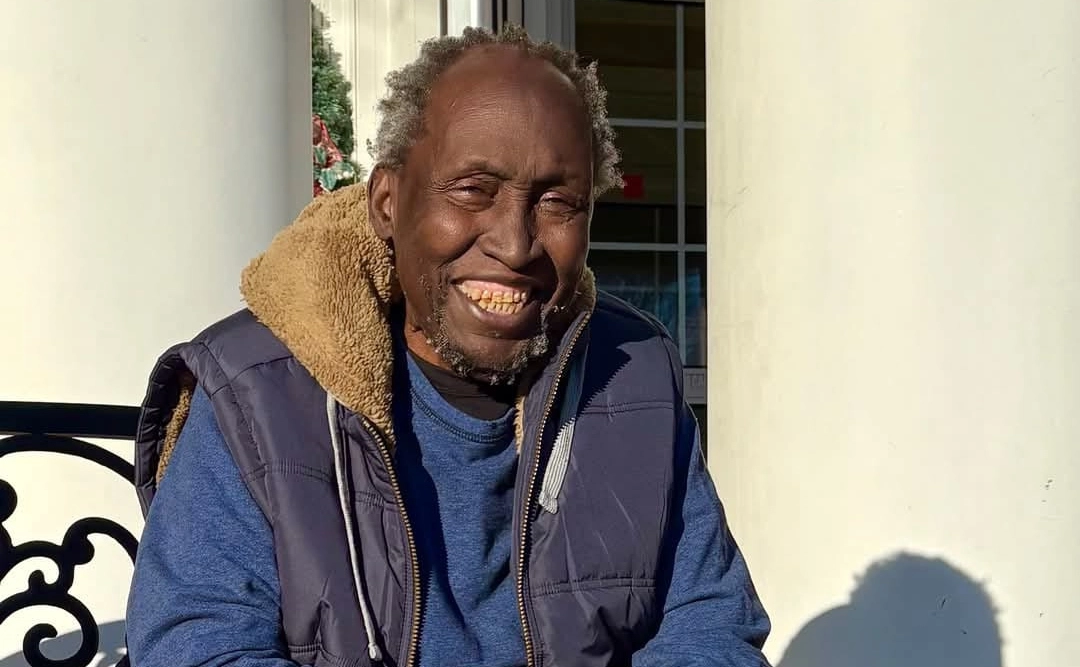
Eight days after his death, renowned Kenyan author and scholar Ngugi wa Thiong’o was cremated in the United States, a decision made per his explicit final wishes.
The news, confirmed by his family, has stirred conversations among his global readership and in his home country, offering a poignant close to the life of a literary icon.
Ngugi wa Thiong’o, who was 87, passed away on the morning of Wednesday, May 28, 2025, after a prolonged battle with various health complications, including kidney issues and limited mobility.
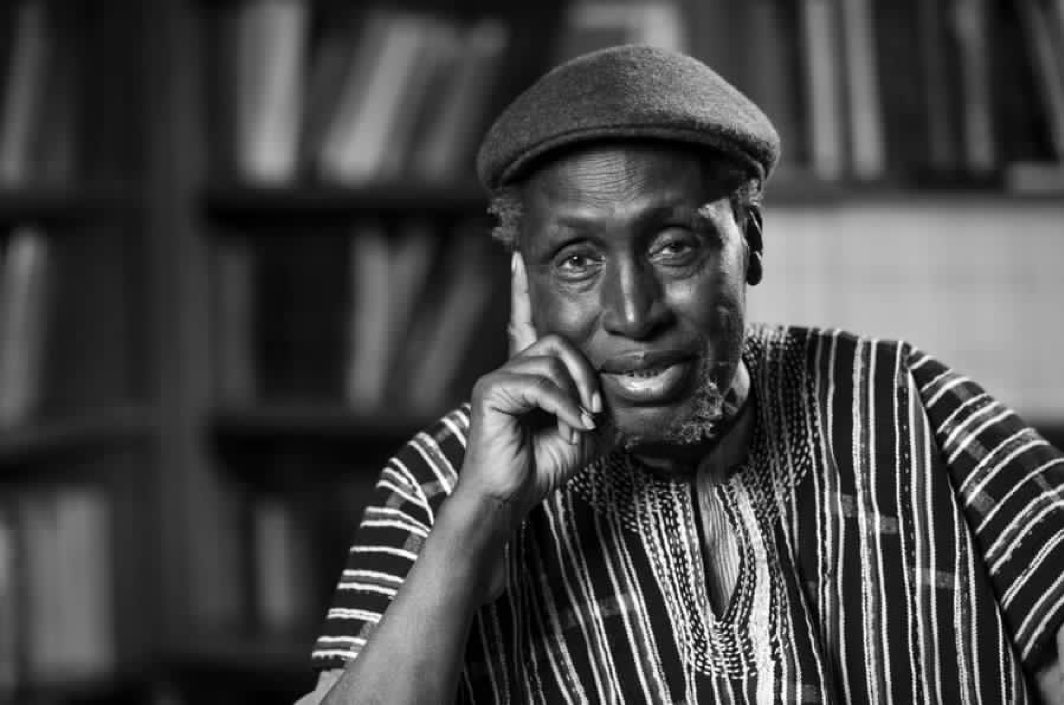
His daughter, Wanjiku wa Ngugi, was among the first to announce his demise, sharing a heartfelt message: “It is with a heavy heart that we announce the passing of our dad, Ngugi wa Thiong’o, this Wednesday morning, May 28 2025. He lived a full life, fought a good fight. As was his last wish, let’s celebrate his life and his work. Rîa ratha na rîa thŭa. Tŭrî aira.”
The cremation, which took place in the US, was revealed by his son, Mukoma wa Ngugi, on Thursday, June 6. Speaking on the matter, Mukoma stated, “Professor Ngugi wa Thiong’o’s remains were cremated in the U.S. following his last wish.”
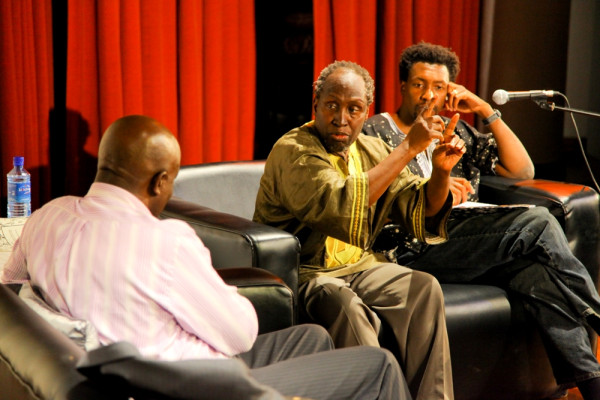
This decision, while perhaps unconventional in traditional Kenyan customs, underscores the profound respect and commitment of his family to honor his personal directives. Mukoma noted that while cremation isn’t part of African tradition, he felt it was a “brave” and “forward-thinking” request, echoing the sentiments of another prominent Kenyan literary figure, Micere Mugo, who was also cremated in the US in 2023.
Born James Ngugi in 1938 in Kamiriithu, Kenya, Ngugi wa Thiong’o rose to international prominence for his powerful works exploring themes of colonialism, cultural identity, and resistance. He was a vocal champion of indigenous African languages, particularly Gikuyu, in literature.
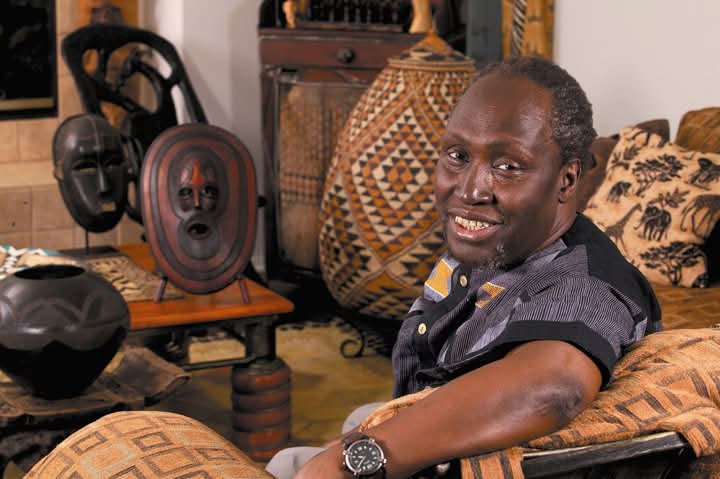
His notable works include novels like “Weep Not, Child” (1964), “The River Between” (1965), “A Grain of Wheat” (1967), and “Petals of Blood” (1977). His 1977 play, “Ngaahika Ndeenda” (I Will Marry When I Want), co-authored with Ngũgĩ wa Mirii, led to his detention without trial by the Kenyan government, earning him recognition as a prisoner of conscience by Amnesty International. During his imprisonment, he famously wrote “Caitaani mũtharaba-Inĩ” (Devil on the Cross) on toilet paper. His short story, “The Upright Revolution: Or Why Humans Walk Upright,” has been translated into over 100 languages.
Ngugi wa Thiong’o spent many years in exile, holding academic positions in institutions across the UK and the US, including the University of California, Irvine, where he was a Distinguished Professor of Comparative Literature and English.
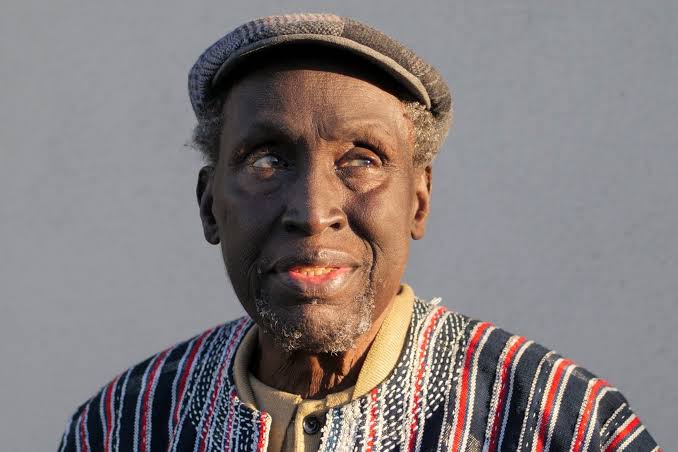
He is survived by several children, four of whom, including Mukoma wa Ngugi, Tee Ngũgĩ, Nducu wa Ngũgĩ, and Wanjiku wa Ngũgĩ, are also published authors, carrying on his literary legacy.
The family has indicated that a celebration of Ngugi’s life will be announced soon, with his son Nducu wa Ngugi expected to release further details.
Commemorative events are reportedly planned in both Kenya and the United States, allowing admirers worldwide to honor his immense contribution to literature and thought.
by moses sagwe