


The threats facing Mara River Basin needs coordinated action and harmonised policies, experts have said.
Speaking during the marking of the 15th anniversary of Mara Day, the experts said the resource is a shared transboundary one, and its protection requires coordinated action, harmonised policies, strong community participation and collaboration between institutions in Kenya and Tanzania.
They warned that failure to address the challenges facing the resource may lead to its collapse.
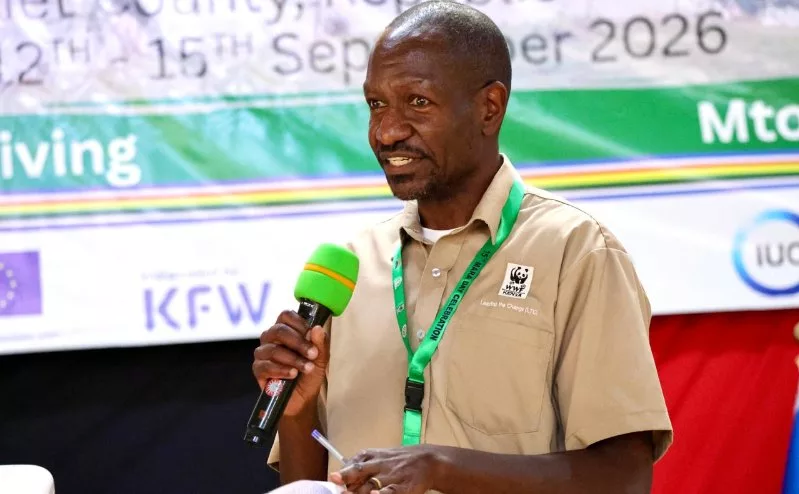
Kevin Gichangi, the Kenya Rift Lakes manager at World Wide Fund for NatureKenya, emphasised that the Mara River is much more than a waterway.
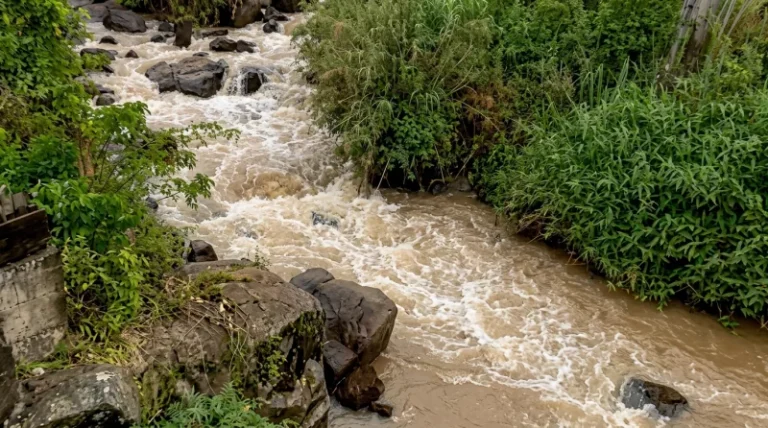
“It is a lifeline connecting people, wildlife, forests, grasslands, agriculture, tourism and local economies from its source areas in Kenya through to Tanzania.
“Its health therefore has direct implications for biodiversity conservation, livelihoods, food production, water security and economic development,” Gichangi said.
He highlighted the interconnected nature of the Mara landscape, noting that activities occurring upstream have direct consequences for communities and ecosystems downstream.
Mara River sustains households, livestock keepers, farmers, wildlife and businesses while supporting one of the region’s most important ecosystems.
Gichangi said protecting the Mara requires looking at the entire basin rather than addressing individual sections of the river in isolation.
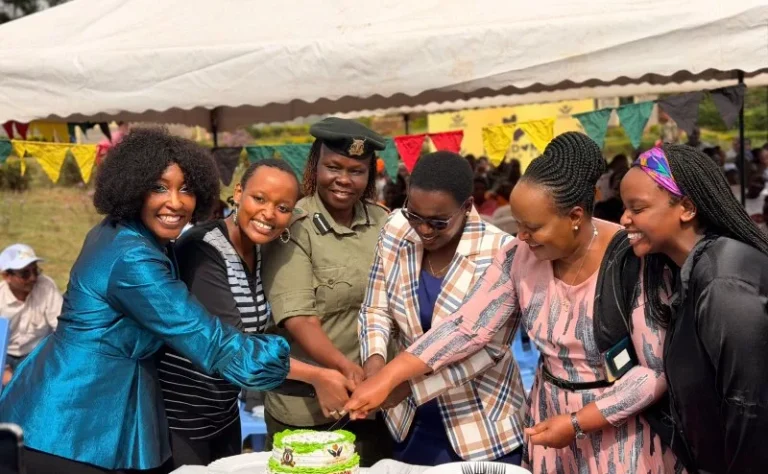
Mara Day is an annual transboundary conservation event that brings together stakeholders from Kenya and Tanzania to promote the protection and sustainable management of the Mara River Basin.
Coordinated through the Lake Victoria Basin Commission under the East African Community, the event provides a platform for governments, communities, conservation organisations, academia, development partners, private sector actors and other stakeholders to reflect on the state of the Mara ecosystem and agree on collective actions for its future.
This year’s celebration marks the 15th anniversary of Mara Day, an important milestone that reflects 15 years of continued transboundary collaboration and commitment to safeguarding the Mara River and the communities, wildlife and economies that depend on it.
This year’s theme, ‘Mara River, Diverse Lives: Keep It Thriving’, recognises the Mara River as a lifeline supporting people, wildlife, agriculture, tourism and local economies across Kenya and Tanzania.
The anniversary also provides an opportunity to reflect on progress made over the years while recognising the growing pressures facing the basin, including deforestation, changing land use, pollution, unsustainable agriculture, water abstraction, catchment degradation and the impacts of climate change.
The 15th anniversary reinforces a simple but powerful message: the Mara River is a shared resource, and keeping it thriving is a shared responsibility.
Gichangi said every part of the basin is connected: and degradation of forests, wetlands and grasslands in one area affects water quantity and quality elsewhere.
Forest cover has continued to decline while grasslands and other natural areas are increasingly converted to agriculture, settlements and other uses.
These changes affect the ability of landscapes to retain water, control erosion and sustain river flows.
Other major pressures highlighted included deforestation and degradation of the upper catchment, unsustainable agricultural practices and increasing use of chemicals, expansion of settlements and poorly planned urban centres and increasing abstraction of water for domestic, agricultural and commercial use.
Degradation of riparian areas and wetlands, population growth and increasing demand for land and water, pollution from domestic, agricultural and commercial activities, climate change and increasingly unpredictable rainfall and fragmented approaches to land and water management are other challenges facing the ecosystem.
Gichangi stressed that interventions cannot focus only on visible symptoms adding that effective conservation requires identifying and addressing the root causes behind these pressures.
“What happens upstream in Kenya affects communities, ecosystems and economic activities downstream in Tanzania. Similarly, the long-term health of the wider ecosystem depends on coordinated management across the entire basin.
This makes harmonisation of policies, joint planning, information sharing and communication between institutions on both sides of the border particularly important.”
He stressed that the Mara cannot be successfully protected through fragmented national or institutional approaches.
“To manage water effectively, we need to come together as a team. Fragmentation is what weakens our collective efforts.”
Gichangi said a number of interventions are already contributing to improved management of the Mara River Basin.
These include the strengthening of Water Resource Users Associations, catchment restoration, improved water-resource management, sustainable livelihood initiatives, community conservation, research, awareness creation and collaboration between government agencies, conservation organisations and communities.
Integrated Water Resources Management was presented as particularly important because it recognises that decisions about forests, agriculture, livestock, settlements, industry and water cannot be made independently of one another.
Land-use planning and water-allocation planning were also highlighted as important tools for balancing competing demands while protecting the ecological requirements of the river.
Dr Masinde Bwire, executive secretary of the Lake Victoria Basin Commission, underscored the regional importance of the Mara River ecosystem and the need for Kenya and Tanzania to continue working together in its protection and sustainable management.
Bwire said that the Mara is more than a river; it is an important transboundary ecosystem supporting communities, livelihoods, biodiversity and economic activities across Kenya and Tanzania.
Success should not simply be measured by the number of people attending meetings, but by what changes after stakeholders return to their respective institutions and communities.
He challenged participants to ensure that the forum goes beyond discussions and produces visible and measurable action on the ground.
Conservation efforts should therefore translate into practical improvements in people’s lives while protecting the ecosystem.
Bomet Deputy Governor Shadrack Rotich said the river is a shared resource whose management requires strong cooperation between Kenya and Tanzania as well as national and county governments, communities, conservation organisations, researchers and development partners.
Rotich stressed that communities must remain at the centre of conservation decisions, because they interact with the river, forests, farms and other natural resources every day.
Gerald Kusaya, regional administrative secretary of the Mara Region United Republic of Tanzania, reaffirmed the country’s commitment to working with Kenya and other partners to conserve the Mara River Basin.
Kusaya said that conservation of the Mara should not be viewed simply in terms of protecting natural resources, but as an investment in the future of communities whose lives and livelihoods depend on the ecosystem.