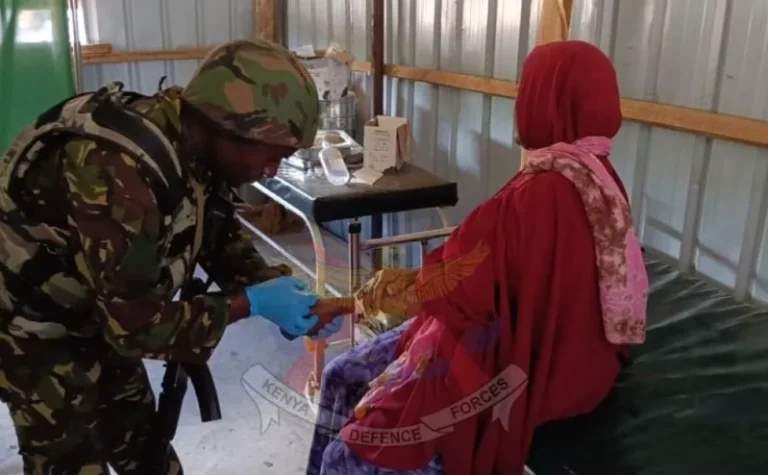



A woman walks into hospital alive, talking, expectant, waiting to meet her baby. Minutes later, she is dead.
For her family, the shock is almost impossible to process. For the doctor who has to explain what happened, it can be equally devastating.
I have stood on that side of the desk.
One evening, less than 30 minutes after an otherwise ordinary ward round, I attended to a woman with one previous Caesarean scar and a large baby.
She had arrived late to the labour ward and needed Caesarean delivery, urgent but not an emergency.
We exchanged pleasantries. She was well, and everything suggested that, before long, both mother and baby would soon be fine. Regional anaesthesia was administered. A living baby was delivered.
Then, suddenly, everything changed.
The woman who had been speaking moments earlier became unresponsive. The anaesthesia and obstetric teams sprang into action, beginning resuscitation immediately.
Every appropriate measure was attempted. But despite every effort, we could not bring her back.
The hardest part came afterwards: telling her family that she had walked into hospital alive, delivered a living baby, and, within minutes, was dead.
A post-mortem eventually gave us an explanation: amniotic fluid embolism (AFE), a rare and catastrophic obstetric emergency that can cause sudden cardiovascular and respiratory collapse, often accompanied by severe clotting problems and bleeding.
But AFE is only one of several possible conditions that can cause a mother to die suddenly during childbirth.
Massive haemorrhage, eclampsia, pulmonary embolism, anaesthetic complications, sepsis, stroke and cardiac disease can all take a mother’s life with frightening speed. Some are preventable. Others can occur despite appropriate care.
That distinction matters enormously now.
Kenya continues to carry an unacceptably high maternal mortality burden, with a maternal mortality ratio of about 355 deaths per 100,000 live births. The country is also pursuing Every Woman, Every Newborn, Everywhere (EWENE) acceleration agenda, aimed at reducing preventable maternal and newborn deaths through stronger services, a better-equipped workforce and faster emergency response.
At the same time, Parliament is considering tougher penalties for preventable maternal and newborn deaths.
Recent reporting on the proposed legislation indicates that those found responsible could face fines of up to Sh1 million and as many as five years in prison. The intention is understandable and justifiable.
No woman should die because a health facility denied her emergency care, failed to recognise obvious deterioration, lacked basic lifesaving supplies or ignored an accepted standard of care.
But there is an important distinction that the law must preserve: a preventable death is not the same as an unforeseeable catastrophe.
I think of another mother who had done everything expected of her. She attended her antenatal clinics faithfully.
When her pregnancy went beyond the expected date, she came to hospital and was admitted for induction of labour. After her membranes ruptured, she suddenly collapsed. An hour of resuscitation could not bring her back.
Her family wanted answers. They sought them from the health system, Parliament, the courts and the regulator, determined to understand what had happened — and why.
They were right to ask.
But seeking an answer is not the same as assuming negligence.
The United States offers a useful model. Its Maternal Mortality Review Committees examine medical records and the circumstances surrounding each death and ask a crucial question: Was the death preventable?
They look beyond the individual clinician to factors involving the patient, provider, facility, community and health system.
The United Kingdom has a similar approach through its confidential national reviews of maternal deaths, designed to establish causes, examine care and identify lessons that can prevent future deaths.
Kenya needs the same commitment.
Every maternal death should trigger a structured review. What happened? What caused the death? Was it preventable? Were there delays? Was blood available? Was the equipment working? Was the deterioration recognised in time? Was the right expertise available? Did the referral system work?
And where individual negligence is found, should it lead to professional or criminal
This is not an argument against accountability.
It is an argument for better accountability.
A maternal death can be tragic without being negligent. Equally, a preventable death may stem not from one “bad doctor” , but from a chain of failures involving staffing, supplies, referral, communication, monitoring or leadership.
Kenya’s renewed focus on Maternal and Perinatal Death Surveillance and Response, alongside EWENE, offers an opportunity to build a system that learns from every death rather than simply assigning blame. Where negligence is established, the law should hold those responsible to account.
But when a mother suffers a rare, sudden catastrophe despite appropriate care and immediate resuscitation, criminalisation will not bring her back or make the next mother safer.
The law should punish preventable failure — not tragedy itself.
Families deserve answers. Mothers deserve safer care. Clinicians deserve fair assessment.
Above all, Kenya deserves a health system capable of making that distinction.