


A $150 million (Sh20 billion) World Bank loan signed during Kenya’s disputed 2017 presidential election has come under Senate scrutiny after it emerged that nearly Sh9.5 billion could remain undrawn almost a decade later.
The loan taken under the Kenya Off-Grid Solar Access Project (KOSAP) was meant to provide thousands of households in off-grid areas with electricity.
Signed at the height of Kenya’s disputed 2017 presidential election, a probe has exposed how the facility remains undrawn while thousands of households in off-grid areas continue to wait for electricity.
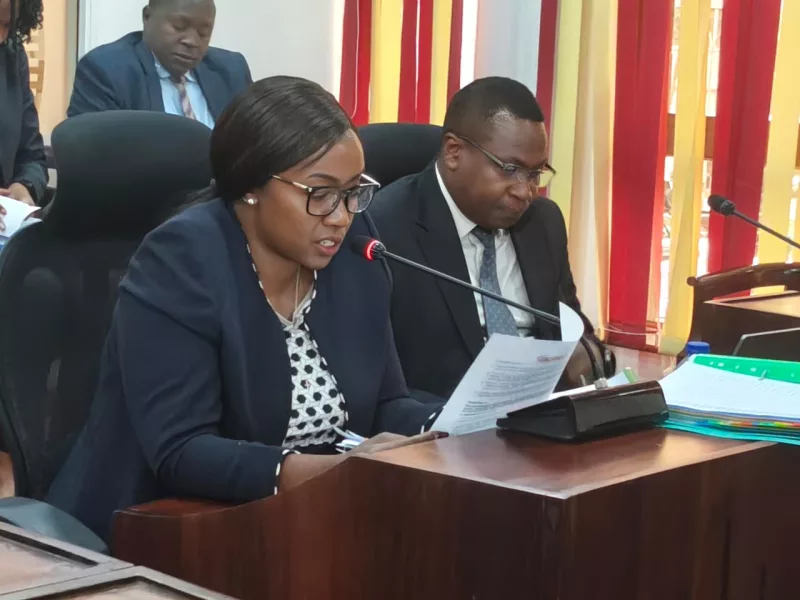
The Senate Energy Committee on Tuesday turned its attention to the KOSAP project, grilling officials from the Rural Electrification and Renewable Energy Corporation over delays in implementing the World Bank-funded programme.
The committee questioned the timing of the loan agreement, signed on September 5, 2017, just days after the Supreme Court nullified the presidential election, with lawmakers demanding to know who authorised the borrowing during the political transition.
Homa Bay Senator Moses Kajwang’ led the attack, describing the circumstances surrounding the borrowing as “messy” and calling for the Energy Cabinet Secretary to explain why the government rushed to commit Kenya to the loan.
“How do you sign a Sh20 billion loan on September 5, 2017, when the country had no settled presidential mandate? What was the urgency? Who signed it and why?” Kajwang’ posed.
He warned that if the Energy Ministry failed to provide satisfactory answers, the matter should be escalated to Parliament’s accountability committees.
The grilling followed concerns raised by the Auditor-General indicating that even if the current budget is fully utilised, only about 53 per cent of the World Bank credit will have been absorbed by the project’s September 2026 closing date, leaving nearly Sh9.5 billion undrawn.
The World Bank project was intended to expand access to electricity and clean water in 14 underserved counties.
Tana River Senator Danson Mungatana questioned whether REREC had the financial and technical capacity to complete the remaining works before the financing expires.
“Kenya negotiated this loan in 2017, yet almost 10 years later nearly half of the money could remain unused. Was there really capacity to implement the project?” he asked.
Mungatana also challenged the agency to explain pending bills, alleged duplication of maintenance funding between REREC and county governments, and whether projects reported on paper actually exist on the ground.
“Have you personally visited these sites to verify they are not ghost projects?” he asked REREC Chief Executive Officer Rose Mkalama.
Appearing before the committee, Mkalama defended the programme, insisting the project remained on course and was expected to be completed by September 30, 2026.
She dismissed suggestions that the timing of the loan agreement was politically motivated.
“Our mandate is to implement development projects. Once financing became available, implementation commenced. The contracts are not influenced by political considerations,” she said.
Mkalama attributed delays to procurement processes, logistical challenges in remote areas and community engagement requirements, but maintained that land acquisition disputes had largely been resolved.
REREC Project Manager Francis Mutua said that the institution was only implementing the World Bank-funded components worth about $31 million (Sh4 billion) out of the project’s total value of $150 million (Sh20 billion), with completed facilities expected to be handed over to Kenya Power and county governments for operation and maintenance after commissioning.
The committee, however, indicated it would summon the current and former energy and treasury officials to explain the circumstances surrounding the borrowing and the prolonged delay in utilising the funds.
The probe comes at a time when it emerged Kenya paid nearly Sh8 billion in commitment fees over five years on loans that ministries failed to utilise, exposing challenges in project readiness and the government’s management of borrowed funds.