


Kenya could benefit from a new UN emergency fund worth up to $100 million (Sh13 billion) to help countries prepare for the effects of El Niño.
Heavy rains associated with El Niño will hit Kenya from November this year, according to forecasts.
The United Nations says Kenya is among the 11 African countries likely to be hit hardest.
UN Emergency Relief Coordinator Tom Fletcher said they will release the funds before October, although he did not name the beneficiaries.
“We are ready to disburse up to $100m from the Central Emergency Response Fund to get ahead of this El Niño,” he said.
“The choice is clear: we can wait for disaster, or we can invest in resilience.”
Fletcher warned the coming event could be the strongest ever recorded.
“The forecasts are clear: this one looks even worse,” he said.
“It comes on top of widespread conflict, rising numbers of people on the move and as soaring fuel, fertiliser and food prices are squeezing the most vulnerable families,” Fletcher said.
Kenya is among 22 African countries identified by the UN’s Food and Agriculture Organisation and the World Food Programme as facing a high risk of climate shocks linked to El Niño between late 2026 and early 2027.
These countries are Uganda, Kenya, Somalia, South Sudan, Sudan Ethiopia, Madagascar, Malawi, Mozambique, Nigeria, Cameroon and Zimbabwe.
The FAO and WFP have separately have appealed for over $200 million (€175 million) in funds to help protect 8.8 million people across the named high-risk countries from the looming return the destructive El Niño weather pattern.
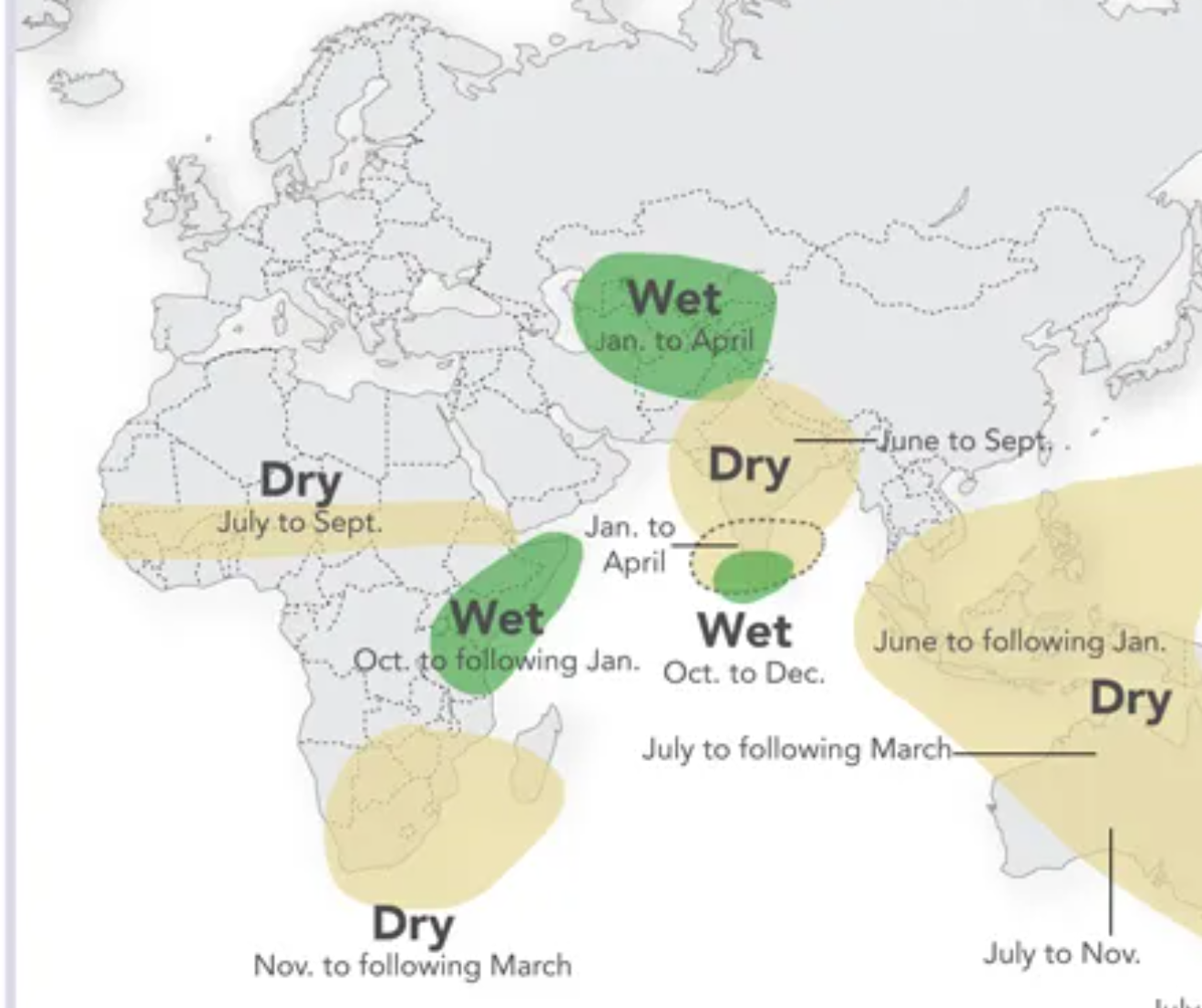
El Niño is a naturally occurring warming of sea-surface temperatures in the central and eastern Pacific Ocean, which usually happens every two to seven years.
It brings flooding in the horn of Africa and drier conditions in many other areas.
The latest forecasts from the World Meteorological Organisation says a strong El Niño is developing rapidly and is likely to intensify in the coming months.
“El Niño conditions are already underway and are forecast to strengthen rapidly into a strong event – as accurately anticipated by WMO forecasts,” WMO secretary general Celeste Saulo said.
“This will intensify the chances of drought and heavy rainfall and the risk of heatwaves on land and marine heatwaves in many regions of the world.”
Saulo said the UN weather agency had already launched a major international response effort.
“The WMO community has launched an unprecedented mobilisation to coordinate activities across the United Nations and at regional level to support governments, humanitarian organisations and climate-sensitive sectors,” she said.
“Advanced seasonal forecasts and early warnings are vital to save lives and cushion the impact on our economies and our communities.”
According to the WMO, the event is expected to keep growing through the Northern Hemisphere before reaching its strongest point between November and February.
Those months coincide with the period when East Africa normally experiences the greatest El Niño impacts.
Scientists are also watching another climate signal that could make matters worse for Kenya.
Researchers say the Indian Ocean Dipole, a climate pattern caused by changing temperatures in different parts of the Indian Ocean, is showing signs that it could shift into a positive phase.
When that happens, warmer waters near East Africa often lead to heavier rainfall across Kenya and neighbouring countries.
Climate experts say a positive Indian Ocean Dipole occurring alongside a strong El Niño has historically produced some of Kenya’s wettest and most destructive rainy seasons.
The Kenyan government says it is not waiting for the rains to arrive before acting.
It has already formed a special Cabinet committee chaired by Deputy President Kithure Kindiki to coordinate the national response to the expected El Niño season.
The government says preparations include clearing blocked drainage systems, reinforcing roads and bridges, identifying evacuation centres, pre-positioning emergency medical supplies and equipment and setting aside money for relief and recovery efforts.
Farmers are also being issued with advisories on how to protect crops and livestock.
Nairobi is separately implementing a Sh47.2 billion flood resilience programme aimed at improving drainage systems, creating flood warning systems and strengthening climate-proof infrastructure.