


Corporate profits, stronger imports and booming betting activity pushed up Kenya Revenue Authority’s collection to Sh2.84 trillion in the financial year ended June 2026.
Despite missing its overall tax target, the performance marks its strongest annual revenue growth in recent years and a 10.6 per cent increase from Sh2.572 trillion a year earlier.
This represents an additional Sh273 billion in tax receipts. The growth was the fastest since the post-pandemic recovery period, coming amid a challenging business environment marked by slower formal job creation and subdued household spending.
Corporation tax emerged as one of the best-performing major tax heads, rising 14 per cent to Sh347.1 billion from the previous year.
The improvement marks a sharp acceleration from growth of 9.8 per cent in 2024-25 and 4.6 per cent in 2023-24, signalling stronger profitability among companies.
KRA attributed the increase to higher instalment tax payments from firms in the ICT, manufacturing, transport, energy and wholesale sectors, where remittances grew by an average of 25 per cent.
Banks also increased corporation tax payments by 11.1 per cent, accounting for more than a quarter of total collections.
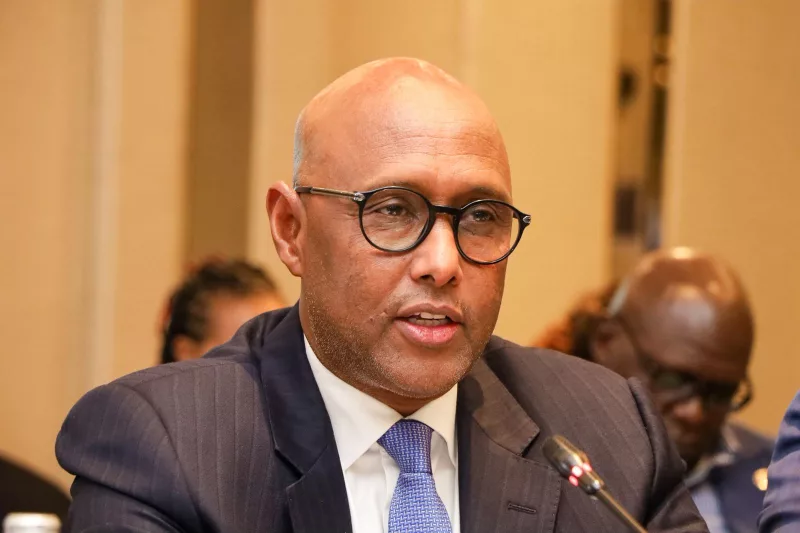
“Five key sectors of the economy accounted for approximately 62.0 per cent of total revenue. Manufacturing, Energy, Financial & Insurance, Information and Communication and Wholesale & Retail Trade remained the country’s leading drivers of government revenue,” said KRA commissioner general, Adan Mohamed.
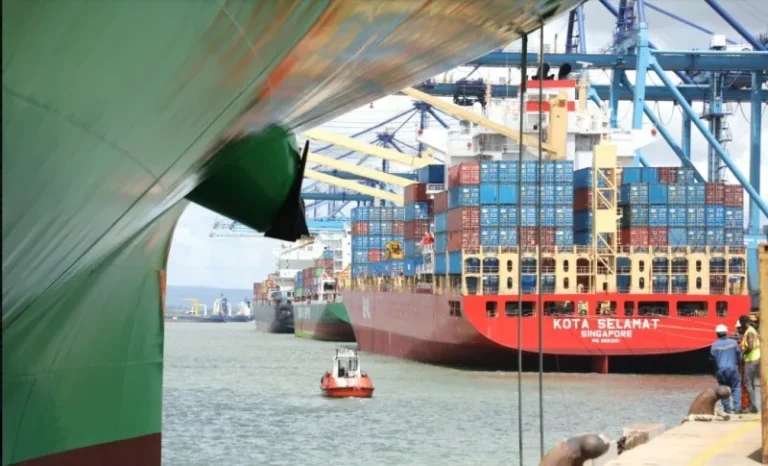
Customs revenue was another standout performer, surpassing its annual target after growing 12.4 per cent to Sh988.8 billion. Oil taxes exceeded expectations with a performance rate of 102.6 per cent.
Among the fastest-growing tax categories, betting taxes delivered some of the strongest gains.
Excise duty on betting services increased 24.9 per cent to Sh16.5 billion, exceeding its target by Sh2.3 billion.
Betting tax rose 20.3 per cent, while withholding tax on betting and gaming surged 59.2 per cent, reflecting continued expansion of the gambling industry despite tighter regulation.
Digital economy taxes also recorded the biggest per centage improvement.
Revenue from Significant Economic Presence Tax (SEPT), previously known as Digital Service Tax, doubled to Sh1.61 billion from Sh807 million after the Finance Act 2025 expanded the tax to cover more digital transactions and removed the Sh5 million income threshold.
Although Pay As You Earn (PAYE) remained KRA’s single largest tax source at Sh598.8 billion, growth slowed to 6.7 per cent, highlighting the country’s weak formal employment growth.
KRA linked the modest increase to the declining share of formal employment, which fell to 15.3 per cent of total employment in 2025 from 15.7 per cent three years earlier.
Domestic VAT collections rose 8.5 per cent to Sh355.3 billion. Performance strengthened during the second half of the financial year before slowing after the government reduced VAT on petroleum products from 16 per cent to eight per cent, resulting in higher refund claims from oil marketers.
Sectoral analysis showed manufacturing remained the largest contributor to government revenue, generating Sh462 billion, up 9.2 per cent from the previous year.
Energy followed with Sh445 billion, an increase of 9.1 per cent driven largely by customs oil taxes.
“The key taxes accounting for 74.6 per cent of this collection are Value Added Tax, Pay as You Earn (PAYE), Excise, and Corporation Tax,” added Mohamed.
The financial and insurance sector contributed Sh320 billion, growing by just 2.9 per cent, making it one of the slower-growing major sectors despite accounting for 11.3 per cent of total collections.
Information and communication generated Sh248 billion, up 7.9 per cent, while wholesale and retail trade posted one of the strongest improvements among the major sectors, with revenue increasing 10.3 per cent to Sh288 billion.
Combined, manufacturing, energy, financial services, ICT, and wholesale and retail trade generated about 62 per cent of all taxes collected by KRA, underlining their importance to government finances.
The tax authority’s performance was also supported by stronger compliance measures. Debt recovery programmes yielded Sh144.8 billion, while tax base expansion initiatives generated Sh9.1 billion from newly registered taxpayers and previously inactive filers.
Integration of betting companies into KRA’s digital systems helped improve compliance in the sector, while electronic invoicing continued to expand, with more than 750,000 taxpayers now registered on the electronic tax invoice management system.
Despite the strong annual growth, KRA still fell short of its exchequer revenue target, collecting Sh2.57 trillion against a target of Sh2.70 trillion, equivalent to a 95.2 per cent performance rate.