
President William Ruto has dismissed concerns over the growing ‘Ruto Must Go’ and ‘One Term’ chants that have become common at political rallies and public gatherings, saying they do not trouble him and are part of democratic expression.
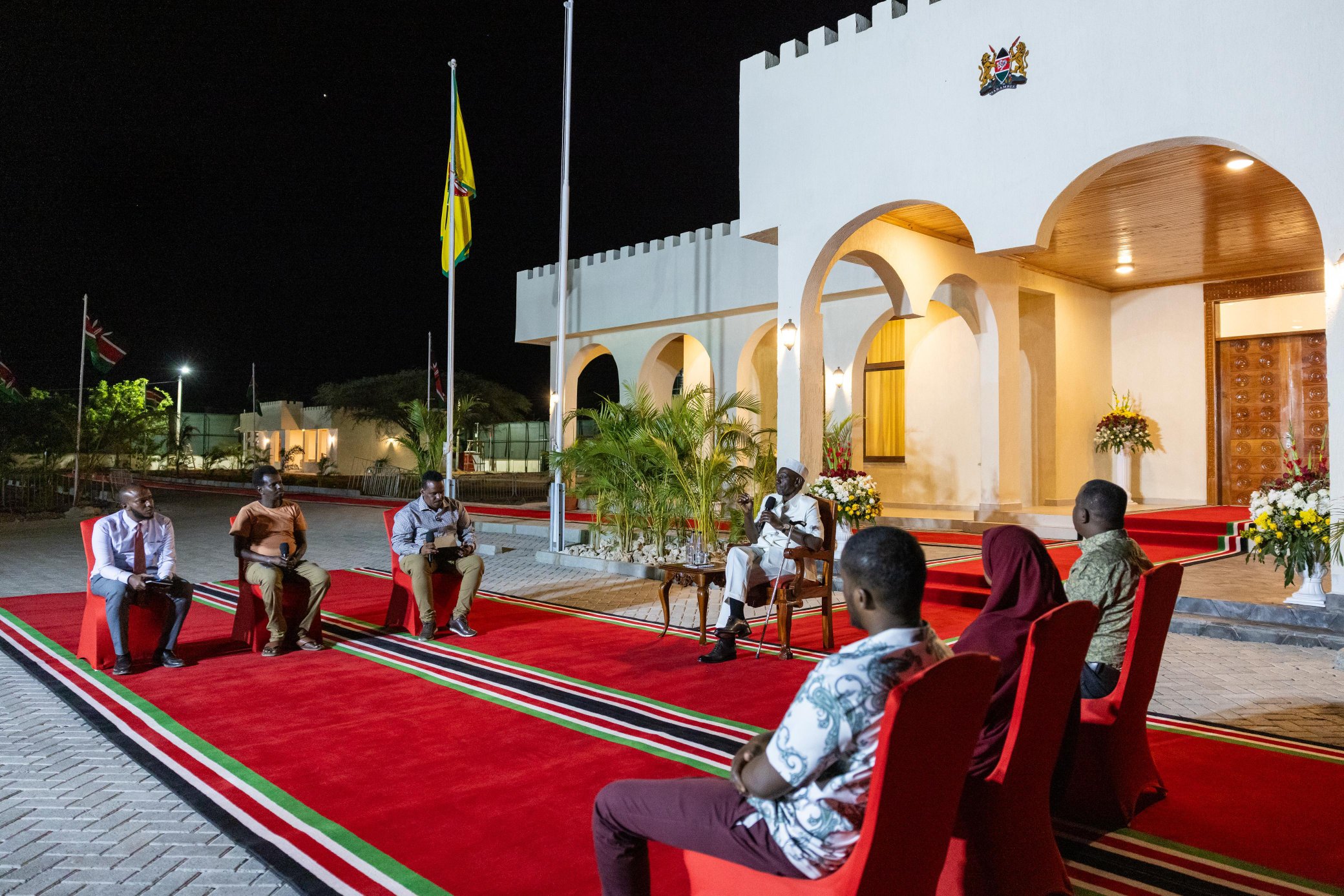
Speaking on Monday during a media roundtable in Wajir, the President said Kenyans are free to express their views, including through political slogans directed at his administration.
“Must go, must come, must whatever, that is the beauty of democracy, you can say whatever you want. You can chant whatever you want, one term, Kasongo and all the others, but they do not bother me one bit,” Ruto said.
The chants gained prominence during the 2024 Finance Bill protests, which began as opposition to proposed tax measures but later evolved into broader criticism of the government.
However, Ruto said political slogans would not determine Kenya’s future leadership, arguing that voters would ultimately judge leaders based on their performance, vision and plans for the country.
“The people of Kenya will assess every leader on account of their track record, of their vision for the nation and of their plan for the future of Kenya,” he said.
The President used the opportunity to defend his administration’s record across key sectors, including the economy, agriculture, healthcare, housing and education.
On the economy, he said his government had addressed inflation, exchange rate challenges and interest rates.
“Today I can face the people of Kenya and tell them, when I told you about the economy, I have sorted out inflation, I have dealt with exchange rates, interest rates, and today we have saved more money than ever,” he said.
Ruto also pointed to what he described as reforms in the agricultural sector, citing lower fertiliser prices and efforts to remove cartels in the sugar and coffee industries.
“Today farmers are earning more money in sugar and coffee. Our meat export has gone up by 80 per cent, so I have transformed agriculture, and I am ready for the exam on what I committed and what I have done,” he said.
In healthcare, the President highlighted the transition from the National Health Insurance Fund (NHIF) to the Social Health Authority (SHA), saying more people were now covered and health facilities were receiving more funding.
“Yesterday, just yesterday, SHA disbursed 12.7 billion Kenya shillings to all our facilities in Kenya,” he said.
Ruto further defended the Affordable Housing Programme, saying ongoing projects were transforming communities and urban centres across the country.
“My housing plan was not talk. It wasn’t just a promise. Today, I can face the people of Kenya and show them what I have done,” he said.
On education, the President said his administration had addressed challenges facing the Competency-Based Curriculum, teacher shortages and university financing.
“Today, we have hired 100,000 teachers, the highest in the history of the Republic of Kenya,” he said.
While acknowledging the persistence of anti-government slogans, Ruto maintained that elections would be decided by performance rather than political chants.
“That is the kind of track record Kenyans will vote for,” he said.
The President argued that meaningful national transformation requires clear plans and measurable results rather than political sloganeering.
“You don’t transform a nation by, you know, must go, one term, and all the other sloganeering,” he said.
Ruto said he was ready to have his record scrutinised and challenged opponents to present their own achievements and plans to voters.
“Those people, I will challenge them to come and compete with me on my track record, my commitment to the people of Kenya, and the plan I have for this nation,” he said.
According to the President, Kenyans will ultimately make their choice based on which leaders offer solutions to issues such as education, opportunities for young people, poverty, wealth creation and insecurity.
“Kenyans are not going to judge anybody on account of how much you shout one slogan or the other,” he said.