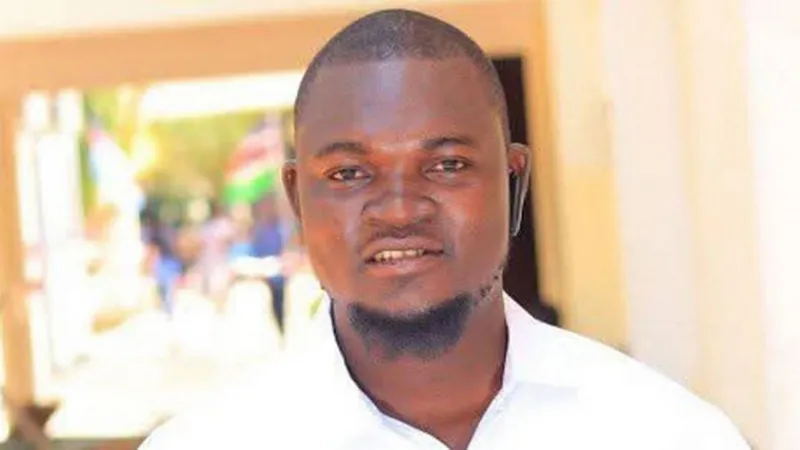
The trial in the case of teacher and blogger Albert Ojwang, who died while in police custody, is set to begin on March 17, 2026, after the High Court scheduled hearing dates and issued key pretrial directions.
Justice Diana Kavedza directed that the prosecution call witnesses over five days, with an estimated five witnesses testifying each day, to ensure the case is concluded expeditiously.
The judge noted that the prosecution has lined up 28 witnesses but urged that the number be trimmed where possible, including having some witnesses admitted by consent.
Under the hearing schedule, the court will hear three witnesses on March 23 and five witnesses on March 24, following the initial hearing days beginning March 17.
The prosecution informed the court that protected witnesses will testify during the first two days of the hearing, with five witnesses expected to take the stand on March 17. “For the first two days, we shall be calling protected witnesses.
On March 17, we intend to call five witnesses,” Prosecutor Christine Timoi said. Justice Kavedza also directed that the identities of the protected witnesses be disclosed to the court, while appropriate safeguards are maintained.
A pretrial conference has been scheduled for Tuesday at the Kibera High Court, where parties were expected to confirm readiness. The prosecution was ordered to supply the accused persons with hard copies of witness materials, while the defence team will receive soft copies.
During the session, the court was told that the Independent Policing Oversight Authority (IPOA) had faced challenges securing storage for CCTV footage relevant to the case, but procured the necessary storage facilities earlier on Monday, January 26, 2026 afternoon.
IPOA said it is currently reviewing the footage and expects to make it available by the close of business today, January 27.
Ojwang died on June 8, 2025, while in police custody. Former Nairobi Central OCS Talaam and five others have been charged in connection with his death and are facing trial before the High Court.
His death while in custody sparked widespread public outrage, protests, and renewed scrutiny of police conduct in Kenya.
Ojwang is believed to have been arrested in Homa Bay after a complaint over a social media post and later died in custody at Nairobi’s Central Police Station.
Police initially claimed he died by suicide, but a post-mortem report found blunt force injuries, neck compression, and multiple soft-tissue wounds inconsistent with self-harm, suggesting assault.
The autopsy findings discredited the official account and triggered street protests in Nairobi and beyond, with demonstrators demanding justice and accountability for custodial deaths.
The Independent Policing Oversight Authority (IPOA) and investigators have since pursued inquiries, and authorities approved murder charges against suspects linked to Ojwang’s death.
by JAMES GICHIGI