




The Cabinet Secretary for Agriculture and Livestock Development, Mutahi Kagwe, has issued a 30-day ultimatum to maize hoarders to release their stocks to the market.
The CS who spoke at Sagana NCPB in Kirinyaga county has warned that failure to comply will force the government to allow duty-free maize imports to stabilise the cost of maize flour.
He said the government’s first priority remains purchasing maize from local farmers to replenish the National Strategic Food Reserve, but stressed that imports will be unavoidable if sufficient stocks are not delivered within the set timeframe.
“We are buying maize at Sh4,000 per bag, and we have Sh1.7 billion ready for payments. If anyone tells you to wait, call me. As a country, we must stock our strategic reserves and be prepared for emergencies. Our first option is not to import, but to buy from our farmers,” Kagwe said.
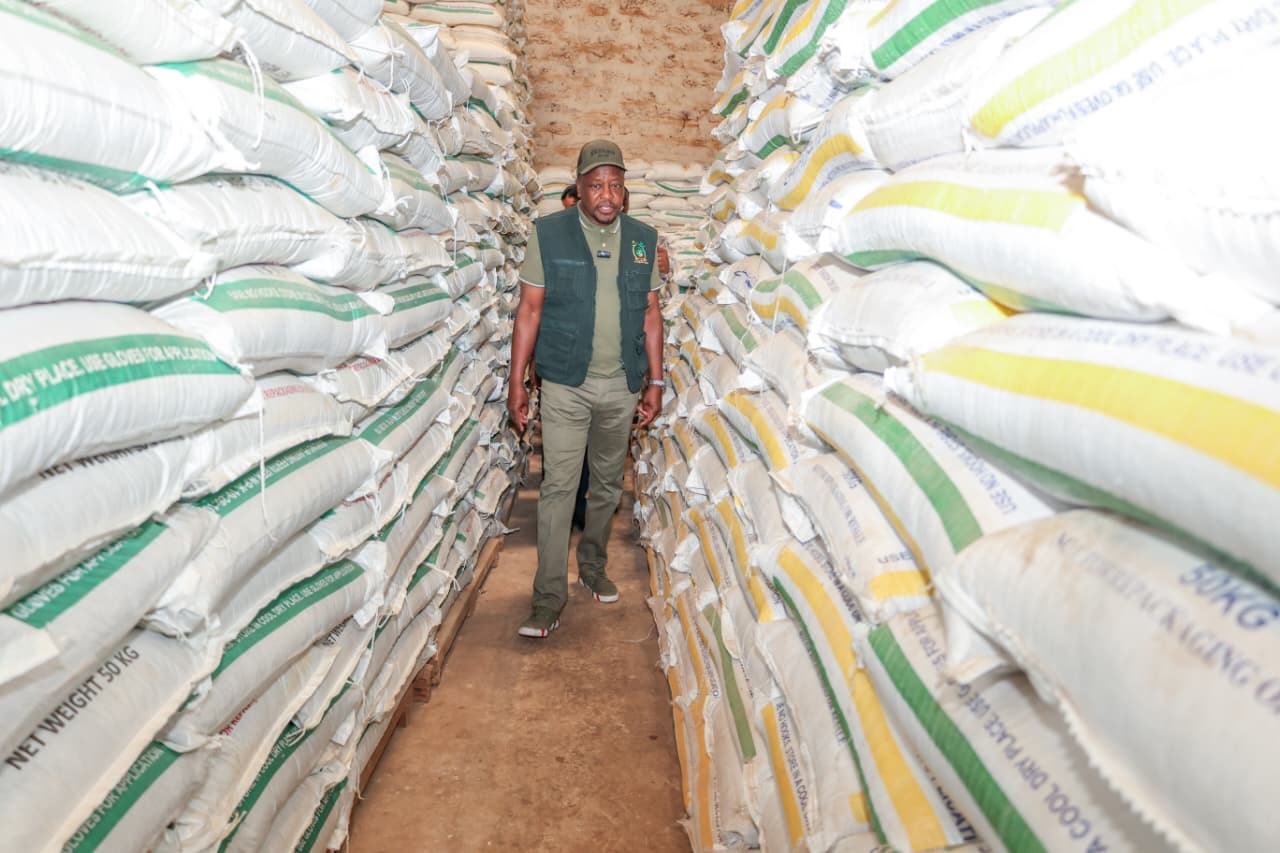 The Cabinet Secretary for Agriculture and Livestock Development, Mutahi Kagwe./HANDOUT
However, only 186,000 bags have been delivered so far, a shortfall the CS attributed to hoarding and speculative practices, particularly as drought conditions begin to emerge in parts of the country.
To curb post-harvest losses and improve grain quality, Kagwe said the government is rationalising the deployment of more than 60 mobile and stationary maize dryers nationwide.
The dryers will be redeployed to cooperatives, large-scale farmers, self-help groups, and high-production zones, while those in low-yield areas will be withdrawn and reassigned.
“When we talk about aflatoxin, we are dealing with a public health issue. Taking dryers to areas with little or no maize is a misuse of national resources,” he said.
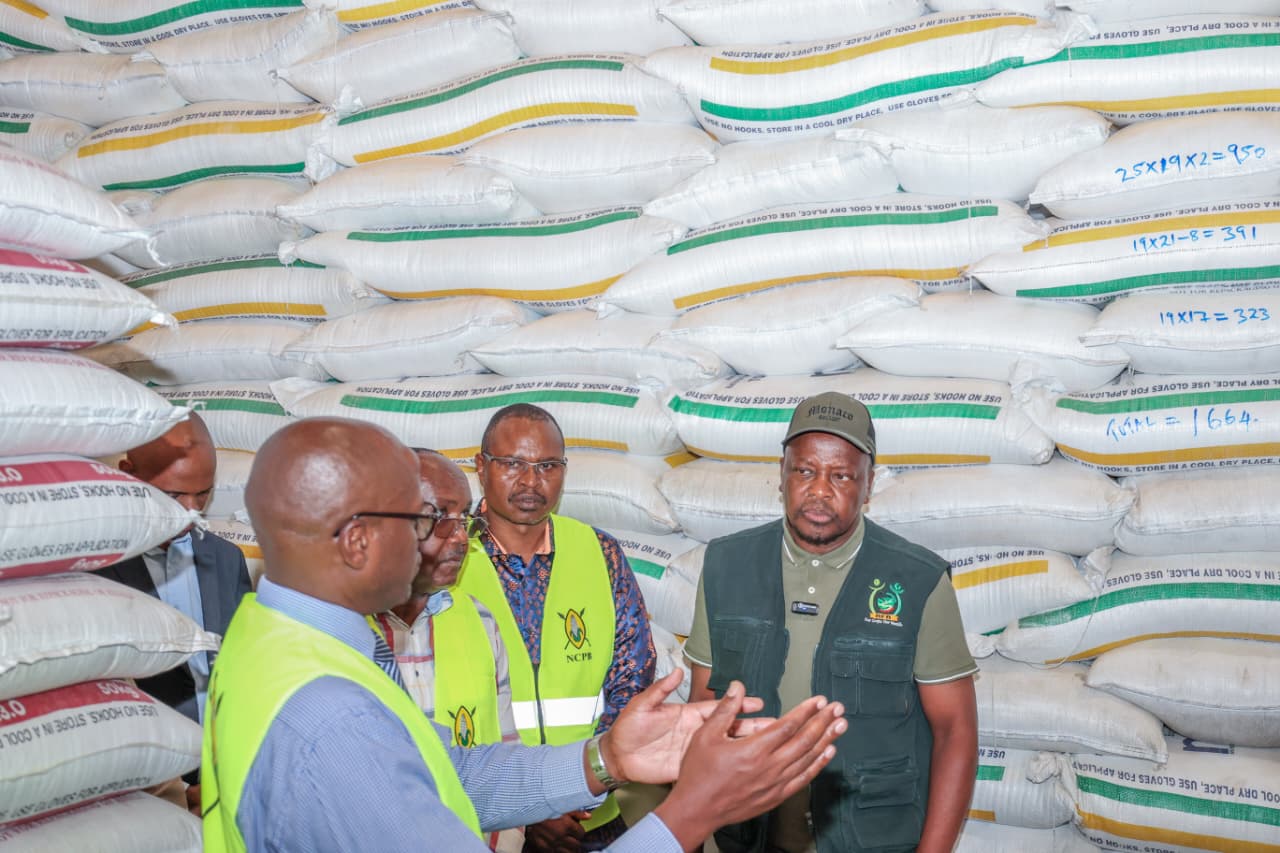 The Cabinet Secretary for Agriculture and Livestock Development, Mutahi Kagwe./HANDOUT
Kagwe also praised the fertiliser subsidy program, noting that maize production doubled following the distribution of 9.1 million bags of assorted fertilisers during the 2025 season, supported by favourable weather conditions across the North and South Rift, Eastern, and Central regions.
To address last-mile distribution challenges, the CS announced that county governments will now register agro-dealers, enabling farmers to access subsidised fertiliser closer to their farms.
The Ministry, in collaboration with the National Treasury, the World Bank, and commercial banks, is rolling out an instant payment system to ensure agro-dealers are paid immediately upon voucher redemption.
“This will reduce transport costs for farmers and ensure fertiliser availability at the village level,” he said.
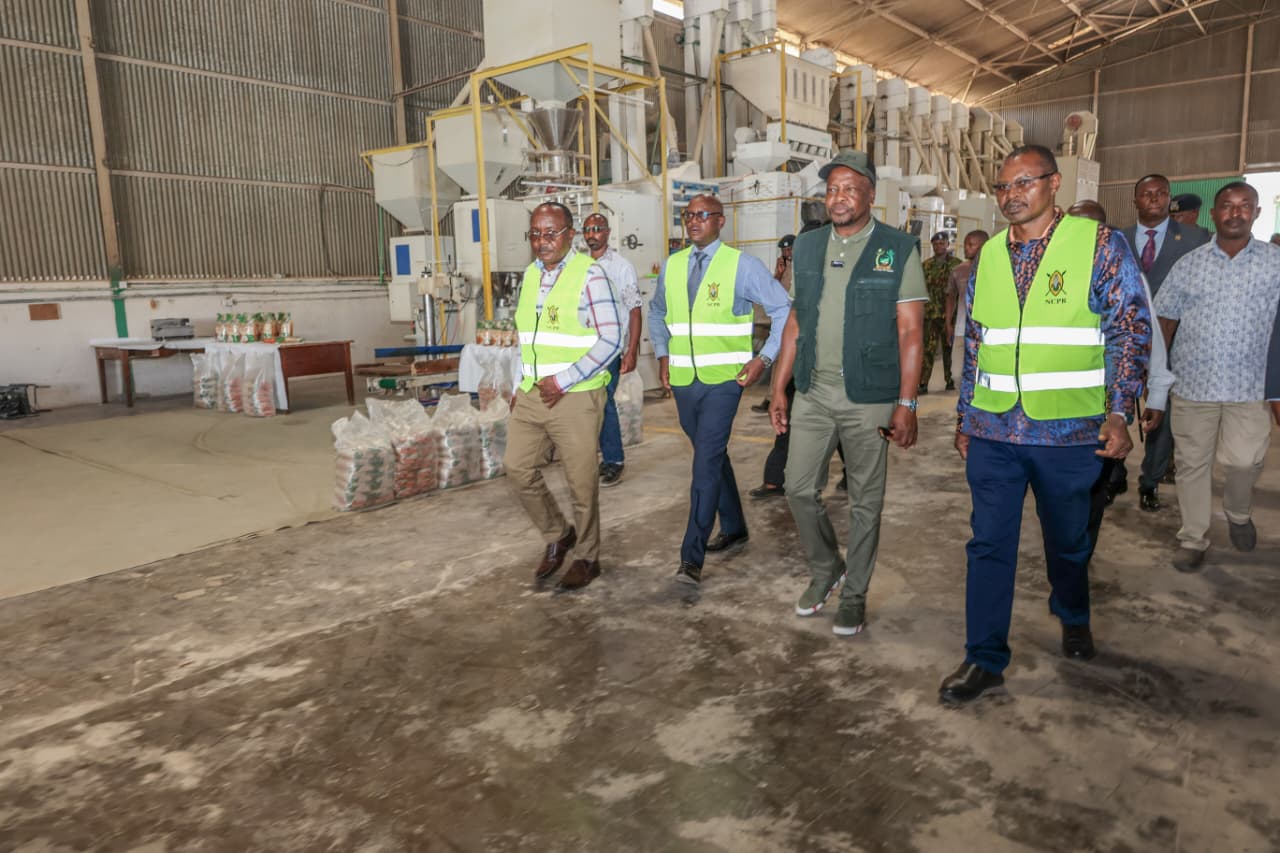 The Cabinet Secretary for Agriculture and Livestock Development, Mutahi Kagwe./HANDOUT
On rice, the CS dismissed claims of a national supply crisis, saying NCPB has the capacity to take in and mill more locally produced rice.
He clarified that logistical delays in specific regions should not be confused with a nationwide shortage.
“There is a difference between a logistical challenge of collecting rice in Mwea and a national rice supply issue. Even if 5,000 bags are yet to be collected in Mwea, that volume cannot supply the entire country,” he said.
Kagwe noted that Kenya currently produces about 20 percent of its rice needs, with the remaining 80 per cent imported, underscoring the need to expand domestic production.
He added that investors, cooperatives, and farmers are being encouraged to increase rice farming, with assurances that NCPB can handle higher volumes and expand local milling.
On wheat, Kagwe revealed that Kenya produces only about 10 per cent of its requirements, saying the government has put in place a policy framework to ensure that locally produced wheat is taken up before any imports are allowed.
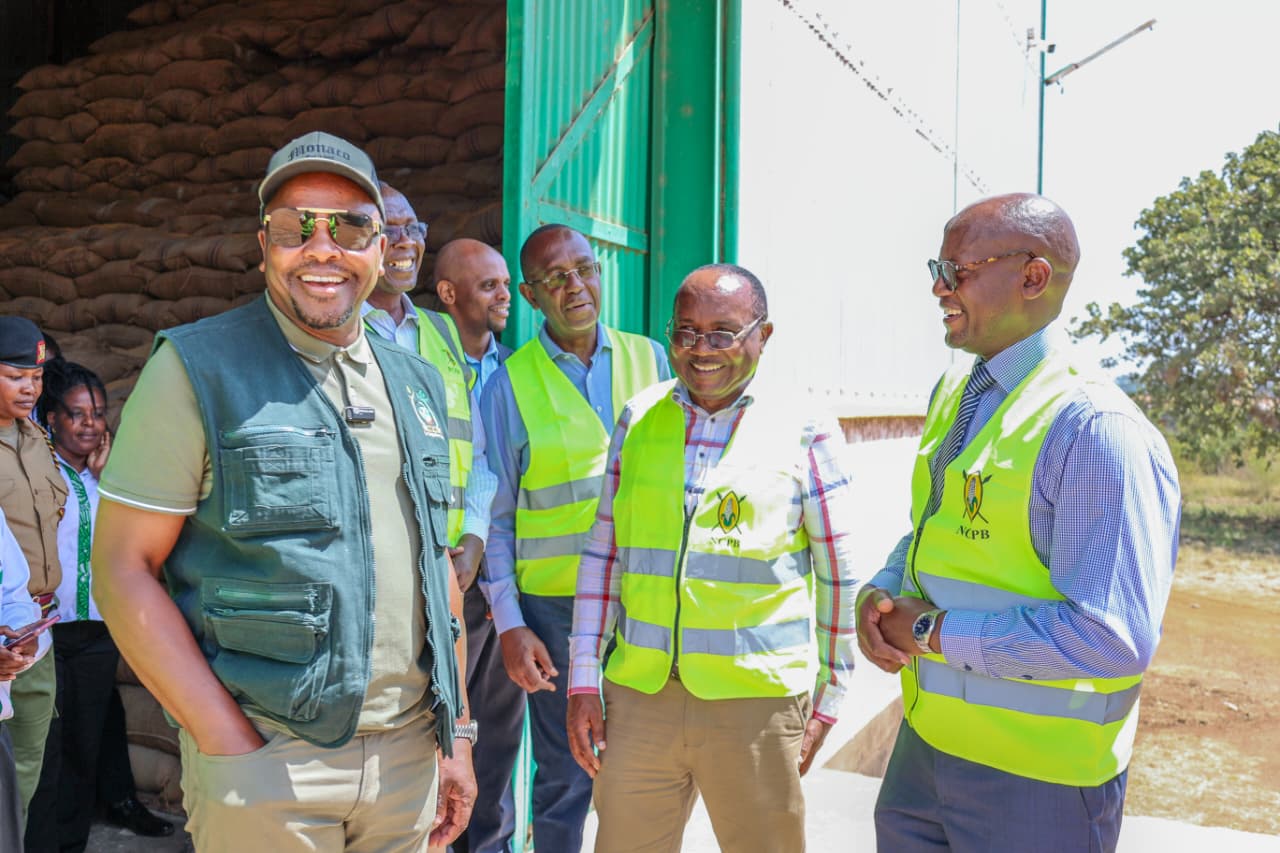 The Cabinet Secretary for Agriculture and Livestock Development, Mutahi Kagwe./HANDOUT
The CS also announced a nationwide soil mapping exercise being conducted jointly by the Ministry and county governments to guide the use of crop- and soil-specific fertilisers, aimed at increasing productivity per acre and improving farmer returns.
He further directed the NCPB to urgently address system inefficiencies that are slowing grain intake, warning that technical failures and delays will not be tolerated.
Reiterating the government’s commitment to import substitution, Kagwe said food security requires discipline in production, storage, drying, and timely marketing.
“We must have enough food in our stores. Food security is not optional; it is a national duty,” he concluded.
by ALICE WAITHERA