



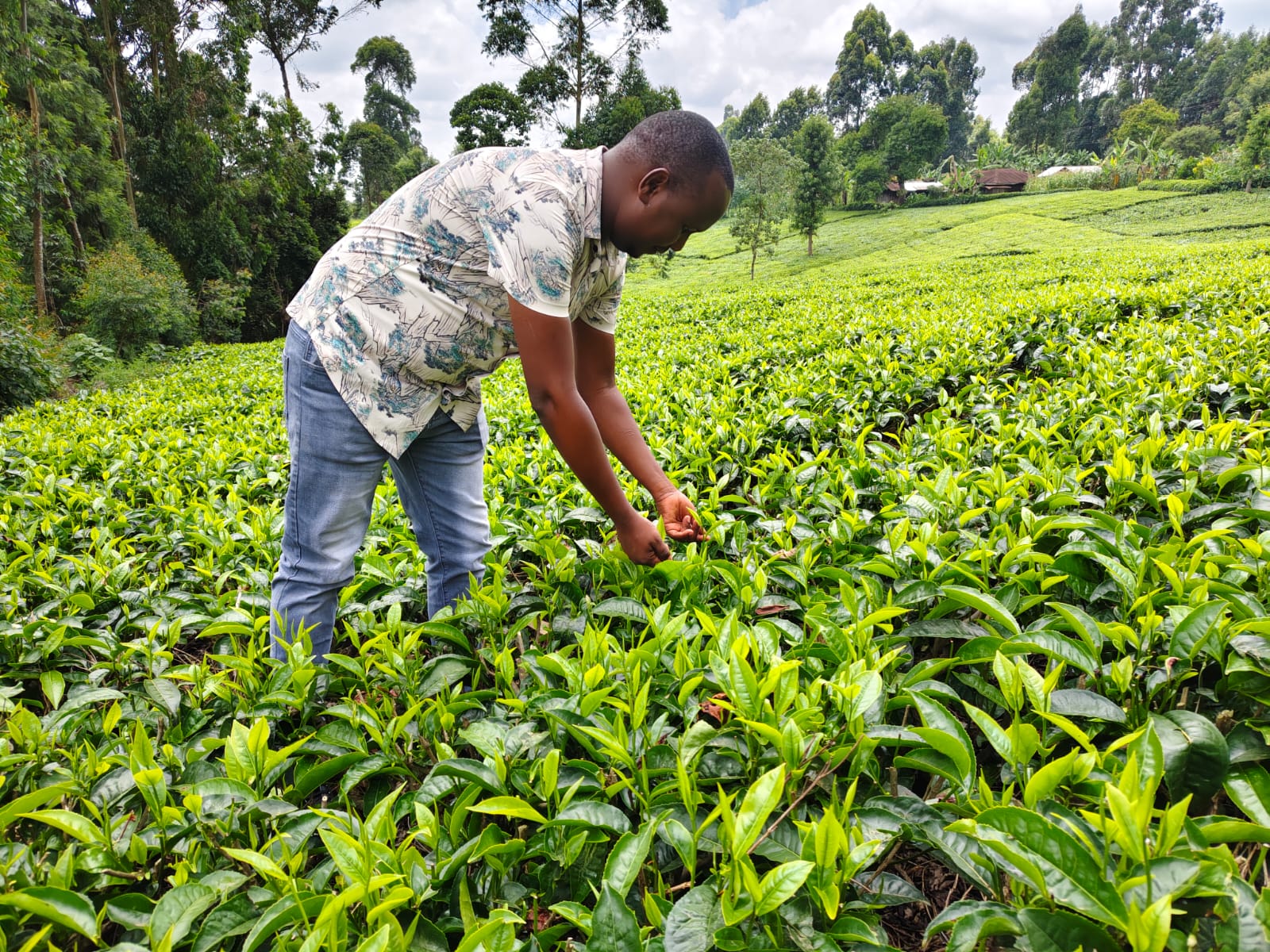
Tea and coffee farmers earned more than Sh2.6 billion from the latest sales at the Mombasa Tea Auction and the Nairobi Coffee Exchange, underscoring the continued importance of the two cash crops to Kenya’s economy.
At the Nairobi Coffee Exchange, farmers sold a total of 1.94 million kilogrammes during the trading session.
Alliance Berries topped the brokers’ list after selling 14,044 bags at an average price of Sh53,108 per bag.
Kirinyaga Slopes followed with 4,119 bags at an average price of Sh54,483 per bag, while New KPCU came third with 3,738 bags at Sh50,404 per bag. KCCE Marketing sold 1,950 bags at an average price of Sh51,922 per bag.
Top buyers at the auction included Kipkelion Brokers with 1,747 bags, Minnesota Coffee with 1,154 bags, Mt Elgon Marketing with 1,129 bags and United Eastern Kenya with 1,058 bags.
Tea farmers affiliated with the Kenya Tea Development Agency posted strong returns at the Mombasa Tea Auction.
A total of 70 KTDA-managed factories sold 3,293,031kg of tea, earning about Sh1.6 billion at an average price of Sh490 per kilo.
Ikumbi Tea Factory led after selling 104,760 kg worth Sh54 million.
It was followed by Ngere Tea Factory, which sold 98,409kg valued at Sh55.5 million, Githambo Tea Factory with 97,020kg (Sh50.7 million) and Thumaita Tea Factory, which sold 88,376 kilos (Sh47 million).
Murang’a county’s 10 tea factories collectively earned Sh351 million in the weekly sale. Gathuthi Tea Factory in Nyeri county recorded the highest price overall, fetching $344 per package, translating to Sh621.6 per kilo. It was followed by Mununga Tea Factory (Sh607 per kilo) and Kimunye Tea Factory (Sh586), both in Kirinyaga county.
On the lower end of the market, Mudete Tea Factory in Vihiga county fetched Sh321 per kilo, Eberege Tea Factory in Kisii fetched Sh337 and Nyankoba Tea Factory, also in Kisii, Sh332 per.
Tea—Kenya’s leading foreign exchange earner—is grown in 19 counties, mainly in the highland regions of Rift Valley, Central, Western and parts of Eastern Kenya.
Most smallholder tea farmers are organised under KTDA, which manages factories, marketing and payments on their behalf.
While coffee production has declined over the years due to high costs and land subdivision, it remains a key cash crop and is grown in 33 counties mainly under smallholder cooperative societies.
Farmers produced approximately 49,500 tonnes of clean coffee in the 2023/2024 crop year, a slight increase from prior seasons.
It is mainly grown in Central Kenya, parts of Eastern, Rift Valley and Western regions. Kenyan coffee is internationally recognised for its quality and is sold through the Nairobi Coffee Exchange, where prices are influenced by quality, global demand and exchange rates.
Strong performance at both auctions is seen as a positive signal for farmers, especially at a time when they are grappling with rising input costs and climate-related challenges.
by ALICE WAITHERA