

Parents in Garissa County have expressed optimism about the Competency-Based Education (CBE) system, saying it will bridge learning gaps and help learners to develop talents early.
They termed the new system a positive step towards inclusive and skills-focused learning.
Habiba Mohamed, a trader at Garissa’s Souq Mugdi market, who was admitting her son at Garissa High School, said the new curriculum offers learners an early start in shaping their futures and accommodates diverse talents and abilities.
“The new system is an improvement because it allows children to identify what they want to do early and work towards it. It also gives learners who may not excel academically a chance to succeed through skills-based pathways,” she said.
Another parent, Mohamed Hussein, who was admitting his daughter at Nep Girls Senior School said CBE approach allows learners to identify their interests and abilities at an early stage and work towards them, unlike the previous system which largely focused on examinations.
“This system is an improvement because it gives children an opportunity to discover what they want to do early in life and build their skills around it,” he said.
The new model offers multiple pathways for success, especially for learners who may not excel purely in academics.
“The skills-based pathway gives every learner a chance to succeed. Even those who want to pursue technical or creative skills now have room to grow and be recognised,” he said.
Mariam Hussein, who was admitting her daughter Fawzia Hussein at Iftin Girls Senior School, expressed hope that the new system would reduce inequality.
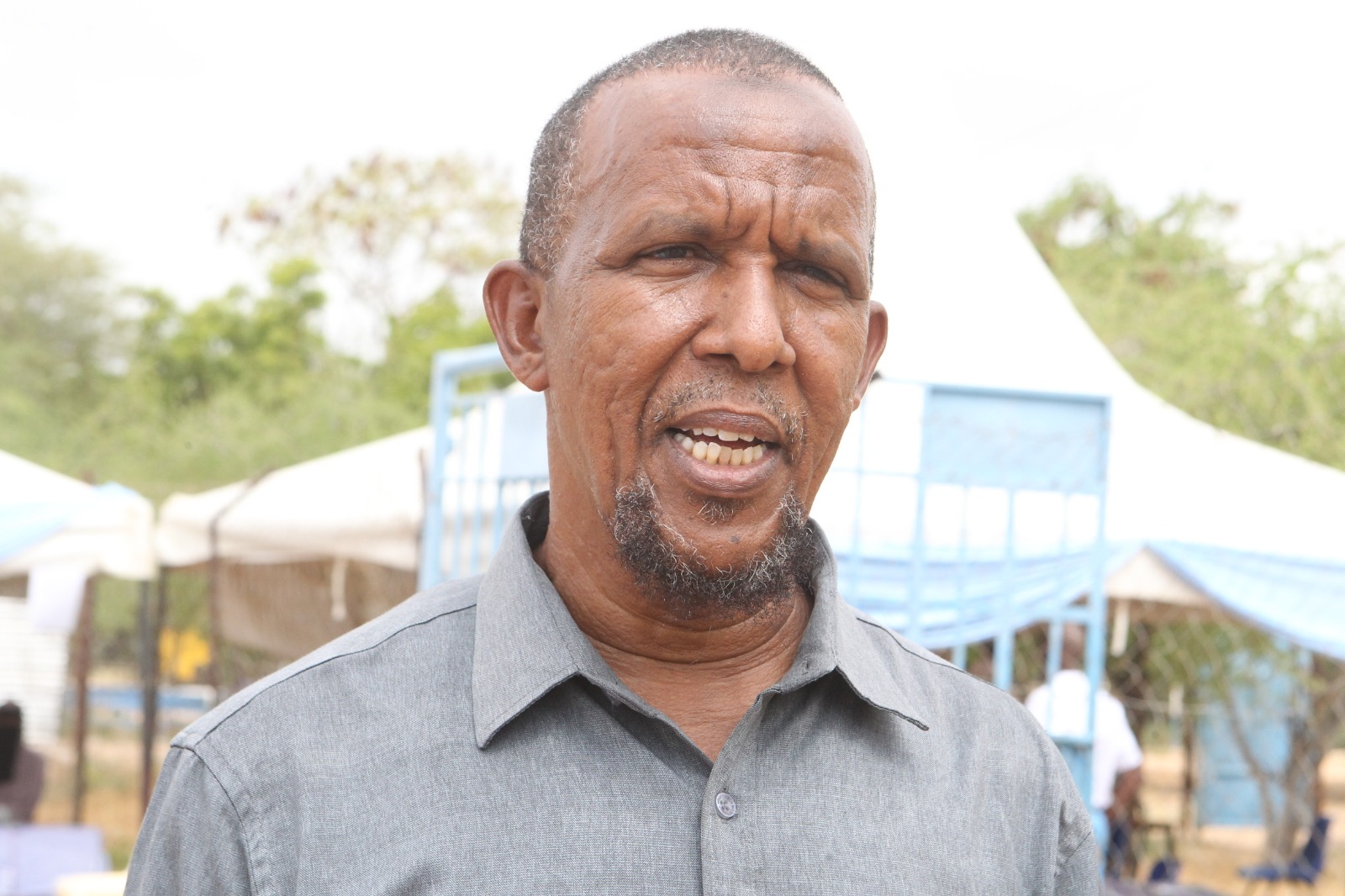
Garissa High School chief principal Mohamud Dubat assured parents and the public that the institution has put in place measures to support the new curriculum and guide learners on career choice.
“Garissa High School is fully prepared to receive Grade 10 learners. These students are more focused because they already have an idea of the careers they want to pursue. This is a major shift from the previous system, where learners only started thinking seriously about careers at the end of secondary school,” he said.
Dubat acknowledged challenges presented by the transition, particularly the limited number of teachers for Grade 10.
He, however, said the school is gradually putting systems in place to address the gaps.
“We understand this is a demanding period, especially as teacher retooling is still ongoing, but we are taking steady steps to ensure learners get all the support they need,” Dubat said.
He said the school expects to enrol about 650 learners into Grade 10 and the majority of the students will be distributed across three learning pathways, with 60 per cent joining science, technology, engineering and mathematics.
Twenty-five per cent will enrol in social sciences and the remaining 15 per cent pursue arts and sports.
Despite existing challenges such as limited facilities and the need for further teacher training, Dubat expressed confidence that support from the government and development partners will help bridge the gaps in the course of the year.
by STEPHEN ASTARIKO