



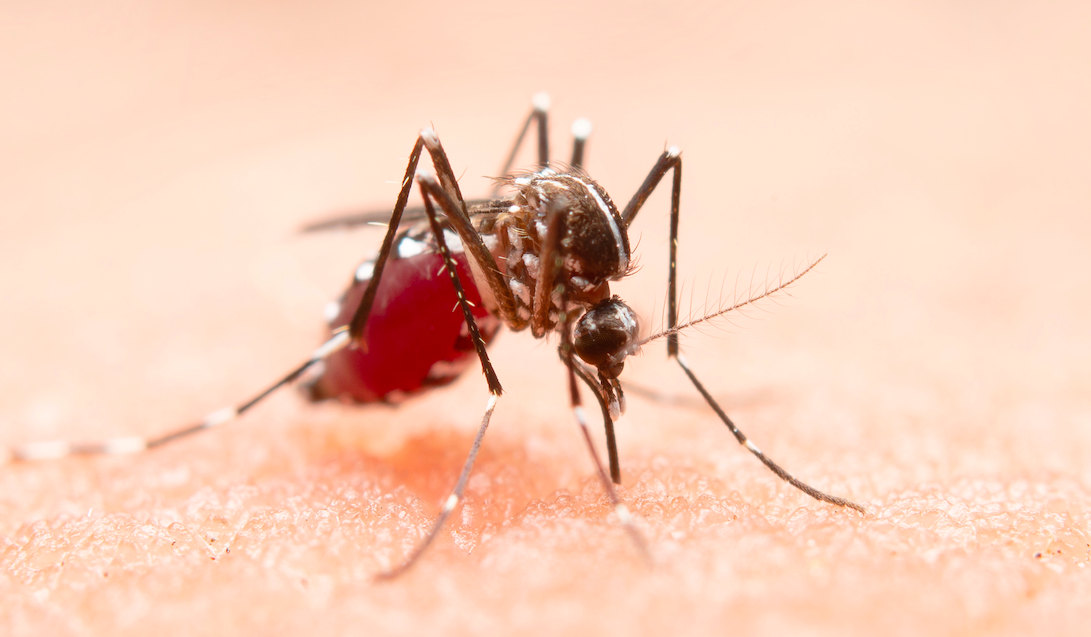
Scientists already know that people with sickle cell trait are less likely to develop severe malaria. What has never been clear is why this protection exists.
One long-standing idea was that mosquitoes avoid people with sickle cell trait (those who carry one sickle cell gene but do not have sickle cell disease). If mosquitoes bite them less often, they would be exposed to malaria less frequently.
But a new study by Moi and Pwani universities, among other institutions, has put that belief to the test and found it severely wanting.
Understanding why some people are naturally protected from malaria helps scientists focus on the right solutions.
The researchers sought to answer one question: Do mosquitoes bite people with sickle cell trait less often than other people?
They followed 52 families in western Kenya for 15 months, carefully tracking which mosquitoes were biting inside people’s homes.
If mosquitoes avoided people with sickle cell trait, that could help explain their protection from malaria. But if mosquitoes bite them just as often, then the protection must happen inside the body, after the bite.
“Exposure to Plasmodium parasites depends on the frequency of mosquito-human interactions, which are influenced by host factors including odour, body temperature and carbon dioxide. Human blood characteristics may also influence attractiveness to mosquitoes,” they explained.
Results of the study, titled “Sickle-trait haemoglobin does not influence Anopheles biting rates,” are available on the preprint platform MedRxiv.
The study was carried out in 2020 and 2021 in western Kenya, where sickle cell and malaria transmission are common. The researchers regularly collected mosquitoes from the 52 homes and tested the blood found inside the insects. There were 244 people with normal blood and 63 with sickle cell traits in those homes.
The researchers used genetic methods to match the blood in the mosquito to the exact person who had been bitten.
This allowed them to compare mosquito biting rates between people with normal blood (HbAA) and those with sickle cell trait (HbAS), living in the same households.
The results clearly indicated that mosquitoes did not avoid people with sickle cell trait.
“We observed no significant difference in biting rates between people with HbAA and HbAS, indicating that sickle-trait haemoglobin does not modify the risk of being bitten by Anopheles mosquitoes,” the researchers wrote.
The co-authors of the study are from Duke University and the Eldoret-based Academic Model Providing Access to Healthcare.
The researchers also found no meaningful difference in mosquito biting even among young children, who benefit the most from protection against severe malaria.
“Indeed, overall biting rates were not different between people with HbAA and HbAS, and nor did we observe reduced biting in age-specific groups, including in children who both suffer the highest incidence of malaria and benefit most from sickle-trait protection,” they said.
“Assuming similar overall biting rates also reflect similar biting rates by infected mosquitoes, our results indicate that protection is not mediated by a reduced Anopheline biting of people with HbAS.”
They advised people with sickle cell trait still need protection from mosquitoes and should also use nets, and employ other vector control strategies such as indoor spraying.
Because mosquitoes bite people with sickle cell trait just as often as everyone else, the study suggests that the protection from malaria must occur after infection begins.
Previous studies have shown that malaria parasites struggle to grow normally inside red blood cells that carry the sickle cell gene. This can reduce the number of parasites in the blood and lower the risk of severe disease, especially in children.
Kenya has one of the highest burdens of sickle cell disease and trait in East Africa, according to the Ministry of Health.
The ministry’s 2023 “Policy guidelines on infant screening of Sickle Cell Disease” estimates that 14,000 children are born with sickle cell disease annually.
“The sickle cell disease burden follows malaria endemic patterns in Kenya. The high burden areas include the lake region, the western and coastal region of Kenya. Due to migration patterns, Sickle Cell is also found in the urban and commercialised areas in Kenya,” the policy indicates.
Malaria remains a major public health problem in western Kenya, particularly around Lake Victoria.
At least 79 per cent of malaria cases in Kenya are distributed in the lake region, according to the Kenya Malaria Indicator Survey.
by JOHN MUCHANGI