The festive season has officially ended, and for many Kenyans, the harsh financial reality of January has arrived with an unexpected sting.
Beyond the looming school fees and holiday debts, families in Kenya are now facing a sharp spike in the cost of basic food items.
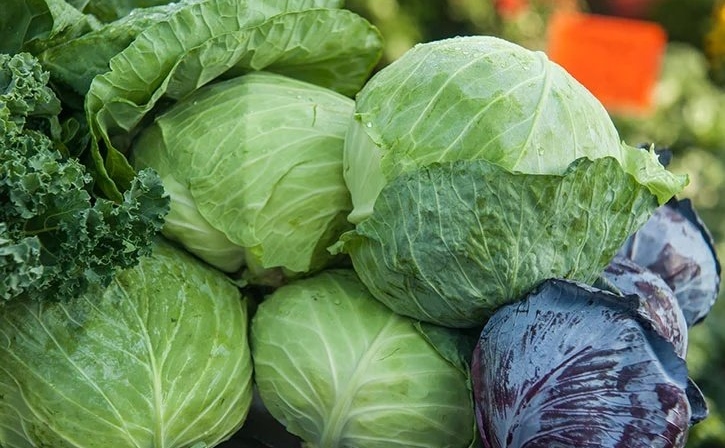
According to a report by NTV Kenya, in major trading hubs like Kakamega and Kisumu, the humble cabbage—a staple on many dinner tables—has become a luxury that many can no longer afford.
A Sudden Shortage
At the Masingo market in Kakamega, the usual vibrant piles of green leafy vegetables have thinned out. Traders report that the supply of cabbage began to dwindle almost immediately after the Christmas and New Year celebrations. What was once a readily available and cheap vegetable has now become scarce.
“Before the festive seasons, cabbage supply was high, but immediately the festivities came in, we began experiencing some shortage,” said one cabbage seller.
The primary cause cited by those on the ground is the onset of the dry season, known locally as kiangazi. The lack of rainfall has stunted local production, leaving markets reliant on dwindling stocks.
Prices Triple in Weeks
The financial impact on consumers is staggering. Before the festive period, a large head of cabbage in these regions was retailing for between 40 and 50 Kenyan shillings. Today, that same cabbage can fetch as much as 150 shillings.
This 200% price increase has left both households and businesses reeling. For small-scale hotel owners and “mama mbogas” (vegetable vendors) in Kakamega and Kisumu, the math simply no longer adds up.
Many are at a crossroads, unsure of how to continue their operations when the cost of raw materials has tripled while their customers’ pockets are emptier than ever.
Business on the Brink
The ripple effect is being felt most acutely in the hospitality sector. Local eateries that rely on cabbage as a primary side dish for ugali are struggling to maintain their margins.
Some traders have suggested that if the situation persists, they may be forced to sell cabbage in tiny, pre-cut portions because customers cannot manage the 150-shilling price tag for a whole unit.
“We are now going to a point where a cabbage could be cut into pieces, and we buy a piece that we can afford. Because we cannot manage to afford Ksh 150 for maize flour, and on the other hand, we buy cabbage for the same amount,” one consumer lamented.
There are also whispers in the market that the few cabbages currently available are being imported from as far as Uganda to meet the local demand. This reliance on imports further drives up the cost due to transport and middleman fees.
Few Alternatives Left
Kenyans looking to swap cabbage for other greens are finding little relief. Sukuma wiki (kale), the traditional alternative, is also becoming scarce and expensive.
In some areas, supply is being brought in from Molo, hundreds of kilometres away.
by moses sagwe