


2025 will long be remembered in Kenya not just for its achievement and upheavals but for the heavy toll it took on the country’s leaders, thinkers, artists, activists and public servants.
Across politics, academia, media, law, sport and civil society, Kenya lost a number of prominent figures.
Their passing provoked national grief, reflection, and intense debate about legacy, institutions, and values.
Here are some of the most significant losses that jolted the nation.
Raila Odinga- The final farewell of a political icon.
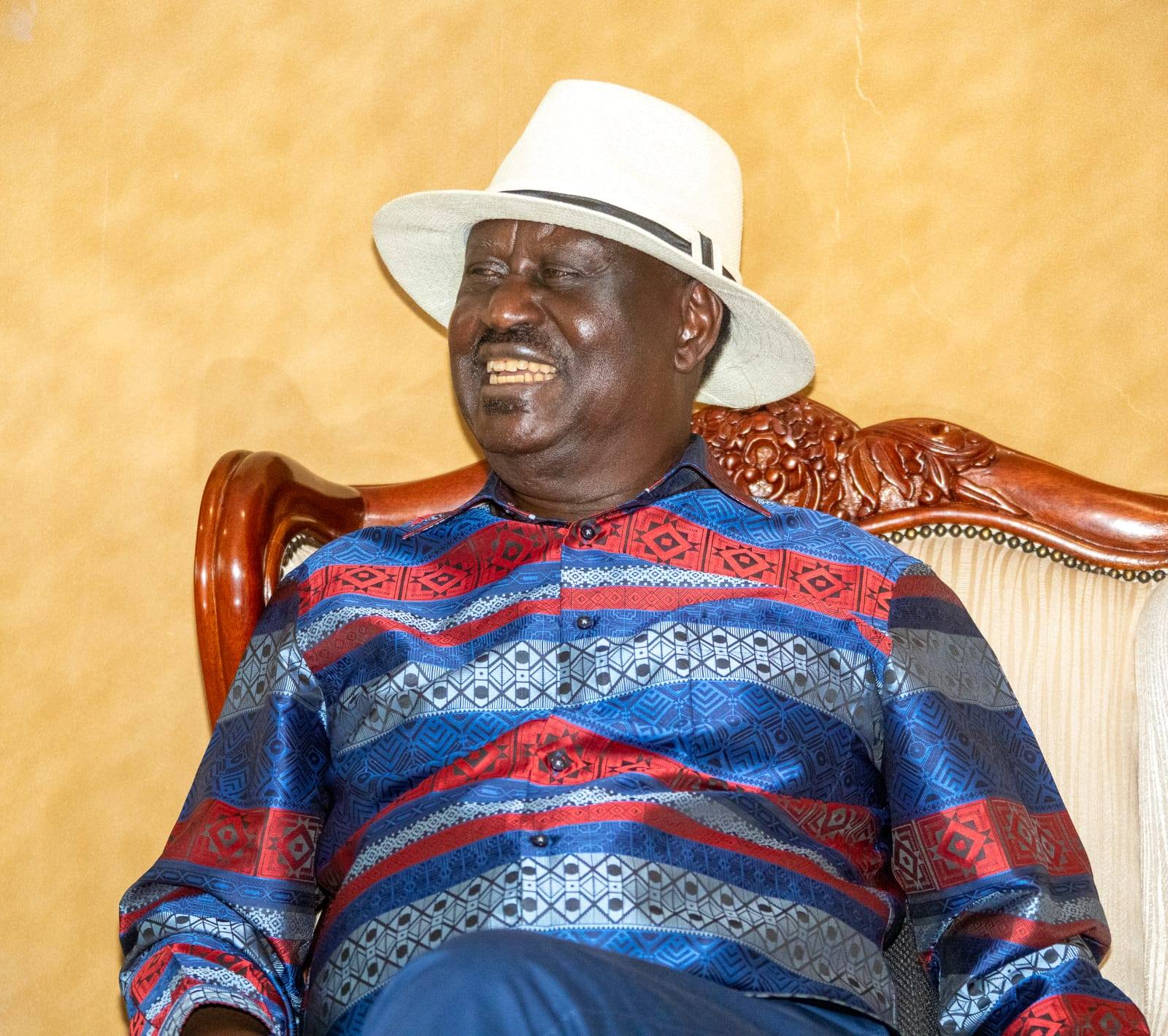
On October 15, 2025, the nation was shaken by the death of Former Prime Minister Raila Odinga, aged 80, while he was in India for treatment.
According to reports, he collapsed during a morning walk and died of a cardiac arrest.
Raila’s death prompted an outpouring of grief from across Kenya’s political and social spectrum.
The government declared a week of national mourning and announced a state funeral in his honour.
For decades, Raila had been central to Kenya’s democratic journey; a formidable opposition leader, a persistent presidential contender, and once Prime Minister (2008–2013).
His passing marked the end of an era as many wondered now who will fill the vacuum left behind or carry forward the hopes, demands, and dissent that Raila represented.
In communities across the country, mourning was heartfelt; symbolic gestures, candle vigils, processions from Nairobi to hometowns, and long queues of mourners to pay respects.
For many, Kenya lost not just a politician but a father figure, a symbol of resistance and hope.
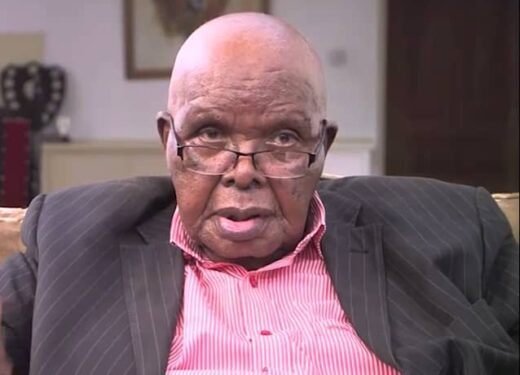 Prof Bethwel Ogot.
Bethwel Ogot- The historian who chronicled Kenya’s past.
On January 30, 2025, Kenya lost one of its most respected scholars, Professor Bethwell Allan Ogot who died at the age of 95 after a short illness at a hospital in Kisumu.
Ogot’s contribution to African and Kenyan history is vast.
Over several decades, he taught, researched, published, and mentored generations of historians and his work helped shape not only academic understanding but national self awareness.
Tributes poured in from across the country.
Leaders described him as a true thinker and intellectual par excellence whose departure leaves a gap in scholarship unlikely to be filled soon.
His death felt like the close of a chapter, the loss of someone whose pen chronicled Kenya’s past, helping the nation remember where it came from and reflect on where it is headed.
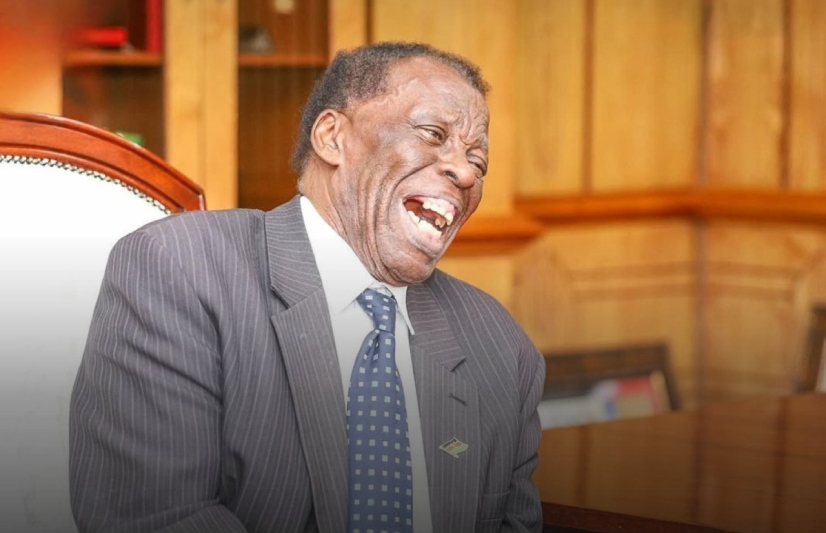 Leonard Mambo Mbotela.
Leonard Mambo Mbotela- The voice that defined generations.
On February 7, 2025, veteran broadcaster Leonard Mambo Mbotela died, prompting a wave of nostalgia and sorrow in Kenya’s media circles.
Mbotela’s voice had been a constant background in many Kenyan homes, guiding listeners through news, sports, and social moments for decades.
His passing was mourned as the end of an era, a time when radio broadcasting carried weight, nuance, and national cohesion.
For older generations, his death revived memories of simpler times when news was fewer, but more deeply felt when a broadcaster’s word carried personal gravitas.
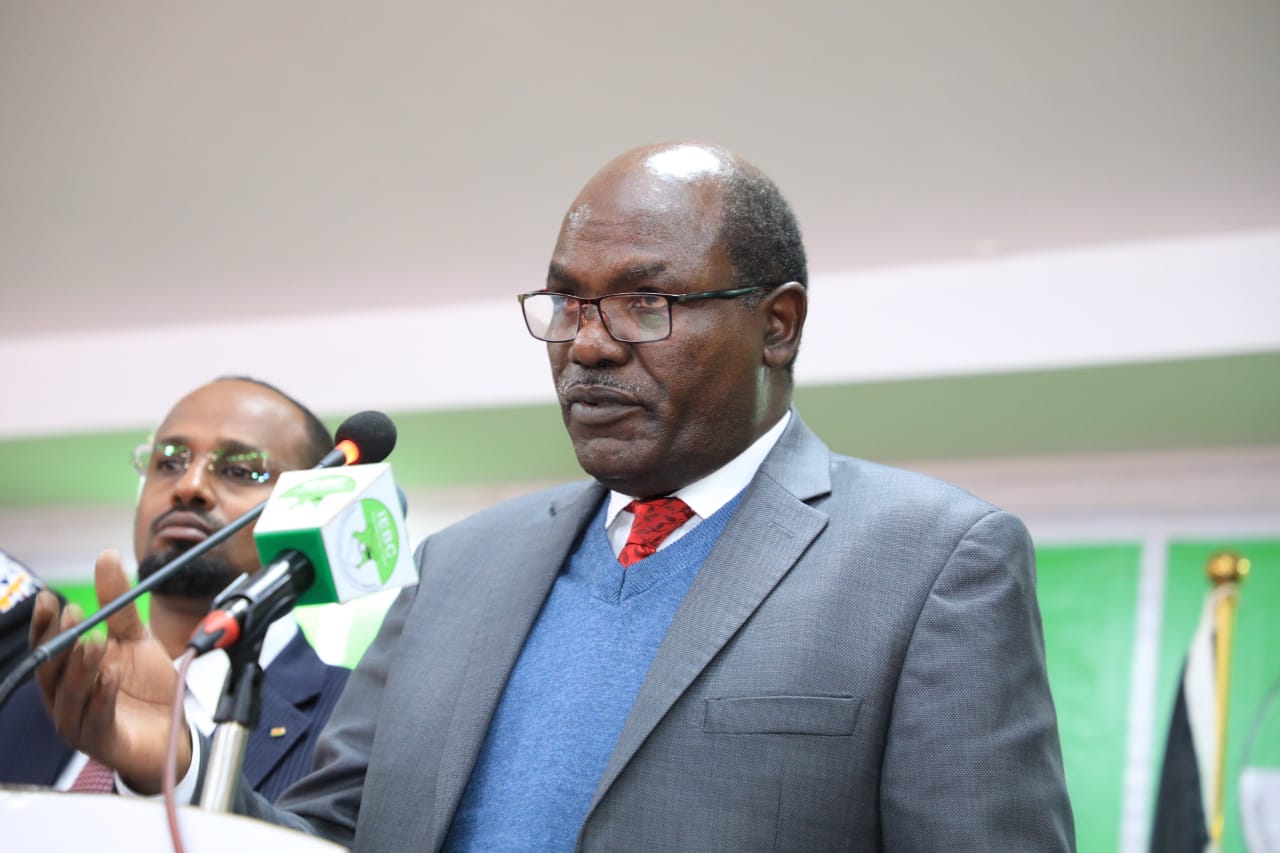
Wafula Chebukati- Once the face of Kenya’s elections.
On February 20, 2025, Kenya bid farewell to Wafula Chebukati, the former chair of Independent Electoral and Boundaries Commission (IEBC).
He died in Nairobi at age 63.
Chebukati had overseen some of Kenya’s most contentious elections notably in 2017 and 2022, his name had become synonymous with electoral integrity (or controversy, depending on perspective).
His death prompted tributes from across the political spectrum; many lauded him as a “principled and diligent leader,” while others weighed the legacy of elections under his watch.
In a nation where elections often stir tension, accusations, and hopes in equal measure, Chebukati’s passing was a moment to pause and reflect on the fragile foundations of trust in electoral governance.

Kimani Mbugua- Media and Society.
In October, tragedy struck the media industry when former television journalist Kimani Mbugua died at just 29 years old.
Mbugua had once shown great promise at the broadcaster Citizen TV.
He had spoken publicly about his mental health struggles, revealing in 2023 via social media that “I’m struggling … niko kwa shida, and I need your help.”
Colleagues and well wishers expressed shock and sorrow over his early death.
It renewed public conversations about mental health, an issue often shrouded in stigma and how young people in media face pressure, instability, and vulnerability.
The circumstances of his death however remain unclear.
For many, the loss of a bright young journalist underscored the need for better support systems for mental health patients in Kenya.
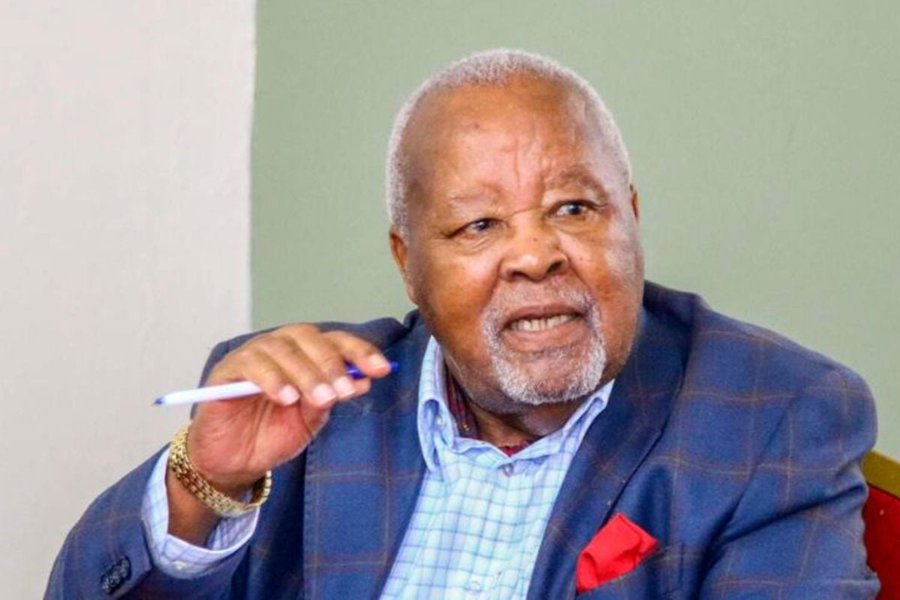
Joseph Munyao- Politics and service.
In November, former Cabinet Minister Joseph Munyao, aged 85, passed away while receiving treatment in Nairobi.
Munyao served multiple terms in the National Assembly representing Mbooni Constituency.
He also held the post of Minister for Livestock and Fisheries development in the government of President Mwai Kibaki between 2003 and 2007.
Governor Mutula Kilonzo Junior mourned him saying, “Munyao was a dedicated leader whose service to the nation and commitment to his constituents would be fondly remembered.”
Party leader Kalonzo Musyoka described him as “a quiet yet powerful presence, humble, disciplined, and always placing the service of others above himself.”
For many in Mbooni and across Kenya, Munyao’s death meant the departure of a public servant committed to rural development and community welfare.
Munyoro Nyamau- Sporting legend.
On October 7, Kenya lost one of its Olympic heroes, Munyoro Nyamau, who won gold at the 1972 Summer Olympics as part of the 4 × 400 m relay team after he died at a hospital in Nakuru from a battle with gallbladder cancer.
Nyamau’s track record extended beyond the Olympics.
In 1968 he had won a surprise silver as part of Kenya’s relay team; later, at the 1970 British Commonwealth Games, he struck gold.
For many sports fans, his death revived memories of a golden era of Kenyan athletics, one defined by resilience, promise, and raw talent.
The loss reminded the country of the athletes who once painted Kenya’s name on the world map.
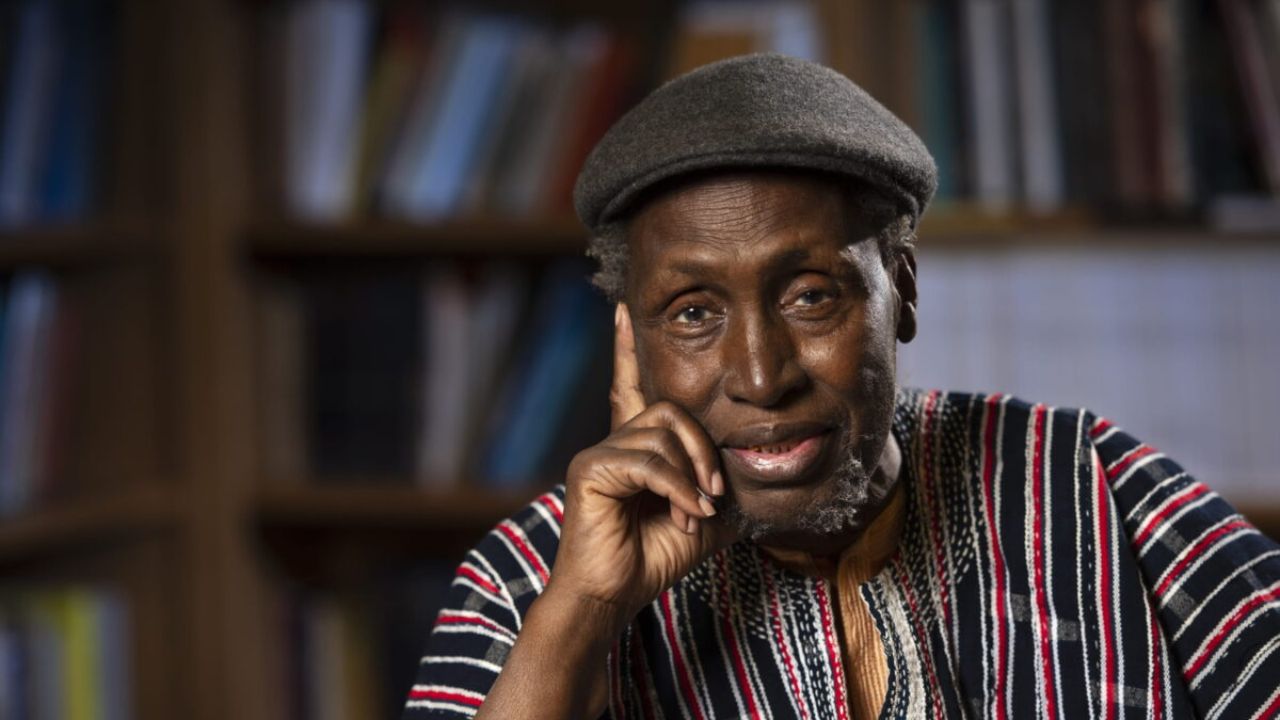
Ngugi wa Thiong’o- Literary giant.
One of the first major losses of the year came in late May, when Ngũgĩ wa Thiong’o died at age 87.
Family members announced the death via a social media post.
His daughter wrote, “It is with a heavy heart that we announce the passing of our dad, Ngũgĩ wa Thiong’o.”
Ngũgĩ was more than a writer since he was a voice of dissent, a champion of language and identity.
Through dozens of works, novels, plays, essays, he challenged colonial legacies and postcolonial injustices.
His landmark book “Decolonizing the Mind” argued powerfully that language matters in the fight for liberation.
Even as critics balked at his decision to write in Swahili and his native Gikuyu instead of English, many applauded his courage.
His death drew tributes from across the world while many called him a national icon and a global literary figure whose words reshaped Kenya’s cultural landscape.
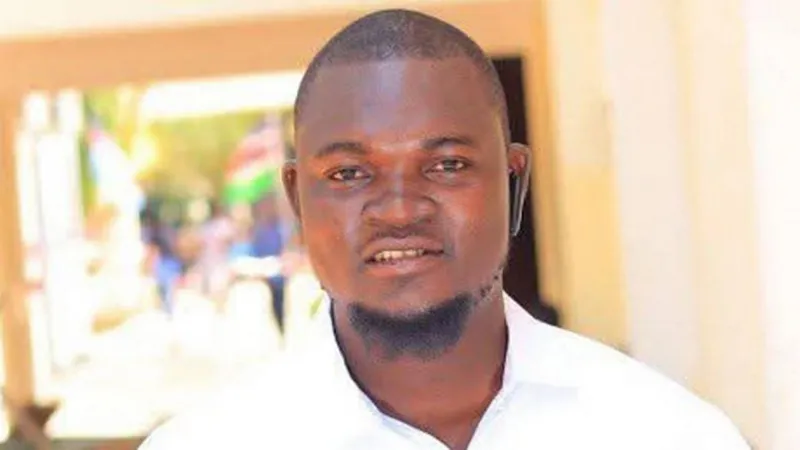
Albert Ojwang- Death in custody.
One of the most disturbing deaths of 2025 was that of Albert Omondi Ojwang, a teacher, blogger and an outspoken social-political commentator.
On June 7, he died while in police detention in Nairobi after being arrested allegedly for defamation.
At first police claimed his death resulted from self-inflicted injuries, but an autopsy carried out on June 10 revealed severe head injuries, neck compression and multiple soft tissue trauma clear evidence of physical assault.
The revelations sparked national outrage.
Protests erupted, human rights groups demanded accountability, and public debate reignited over police conduct and detainee rights.
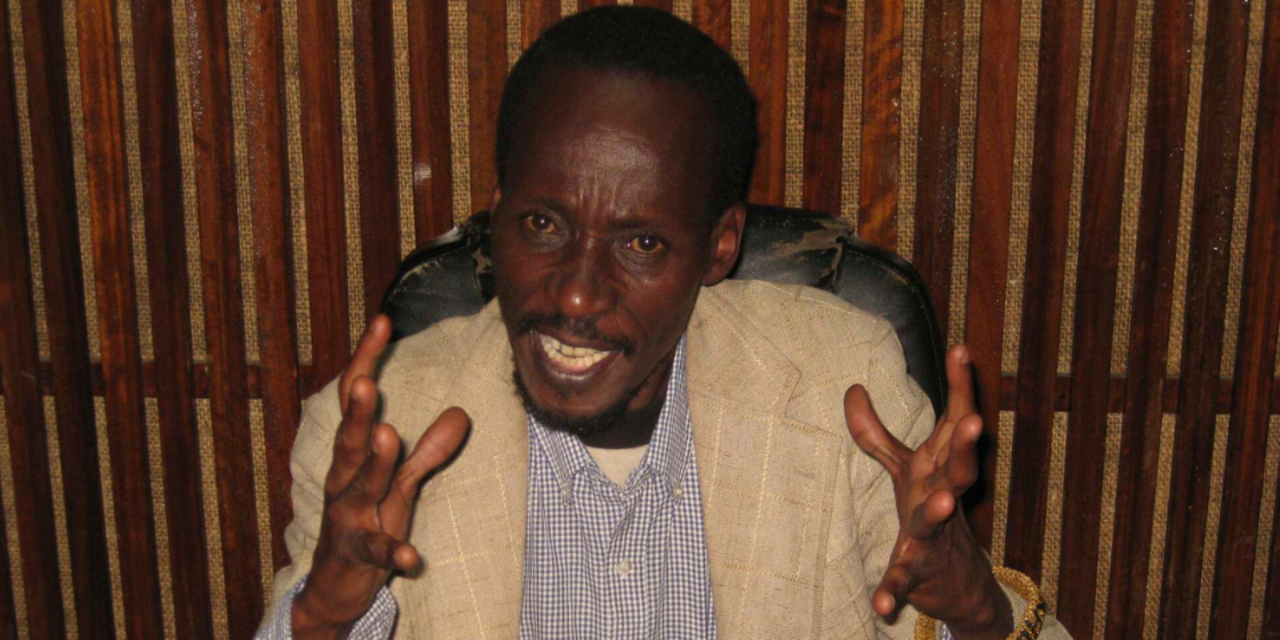
Charles Omuga Kabisae- On the airwaves.
In August, the nation lost a voice that many Kenyans had grown up hearing, Charles Omuga Kabisae, a veteran radio broadcaster.
Kabisae died on August 10 after a long illness.
His body was taken to a Nairobi morgue while his family prepared for the funeral.
He was best known for his delivery of “matangazo maalum na ya vifo”, special bulletins and death announcements, a segment that comforted many households, especially in times of grief.
His calm, measured voice and dignity made him one of Kenya’s most trusted broadcasters.
As one senior official said, “For decades, Charles was a familiar and trusted voice across the airwaves, leaving behind an enduring legacy in the broadcasting profession.”
Many say the style of radio announcing has changed since his retirement.
For a generation, Kabisae’s voice was the signal of solemn news and his passing marked the end of an era.
Former Lugari MP Cyrus Jirongo
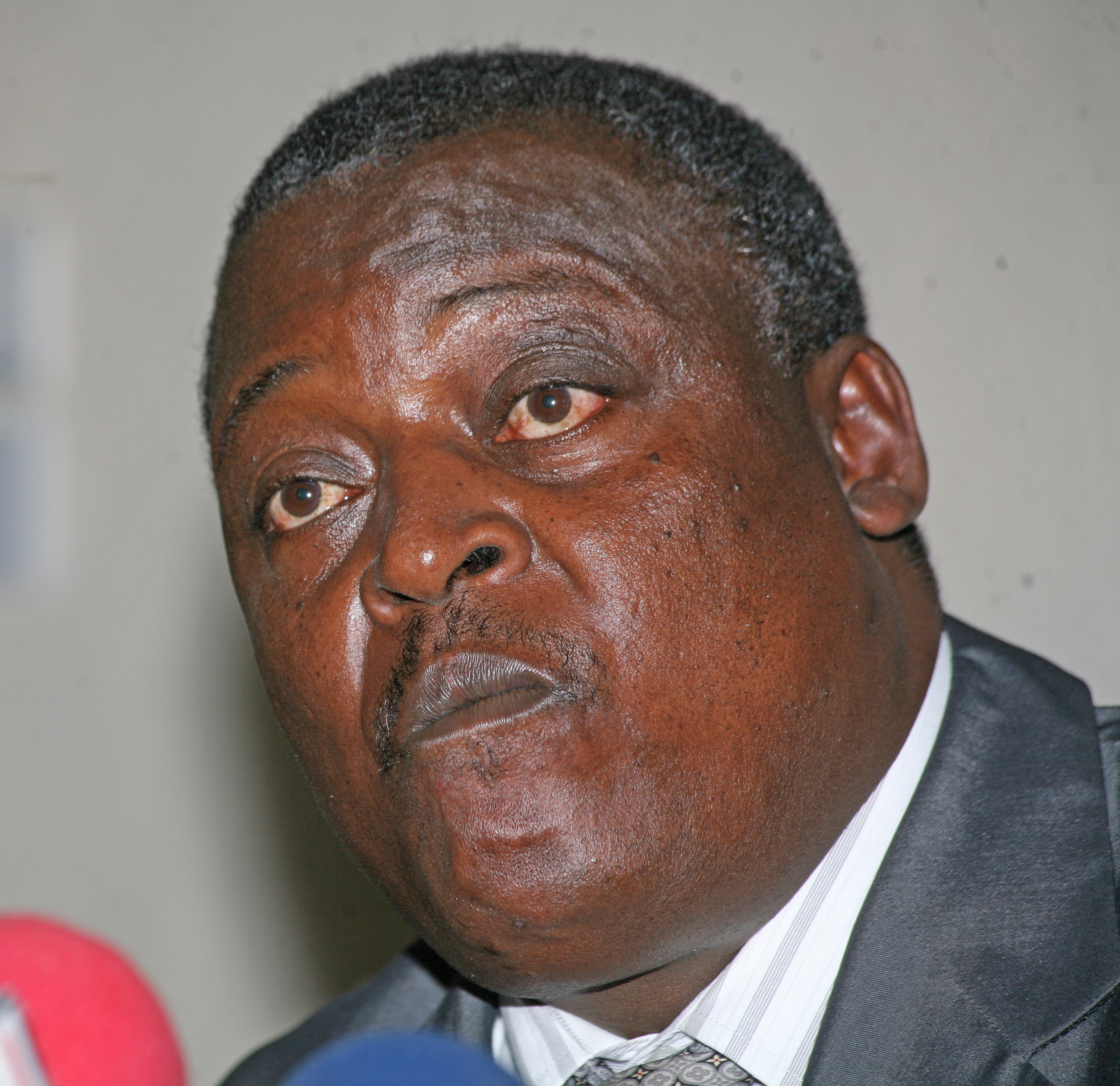 Former Lugari MP Cyrus Jirongo./FILE
On Saturday, December 13, former Lugari Member of Parliament Cyrus Jirongo breathe his last following a road accident that occurred in Karai area, Naivasha, Nakuru County.
His friends and relatives said Jirongo was driving himself to his rural home in Lugari, Kakamega, when his vehicle was involved in a head-on collision with a bus.
Rift Valley Traffic Enforcement Officer Sarah Chumo said the crash happened at around 3:00 a.m. December 13, 2025, along the busy Nairobi–Nakuru Highway.
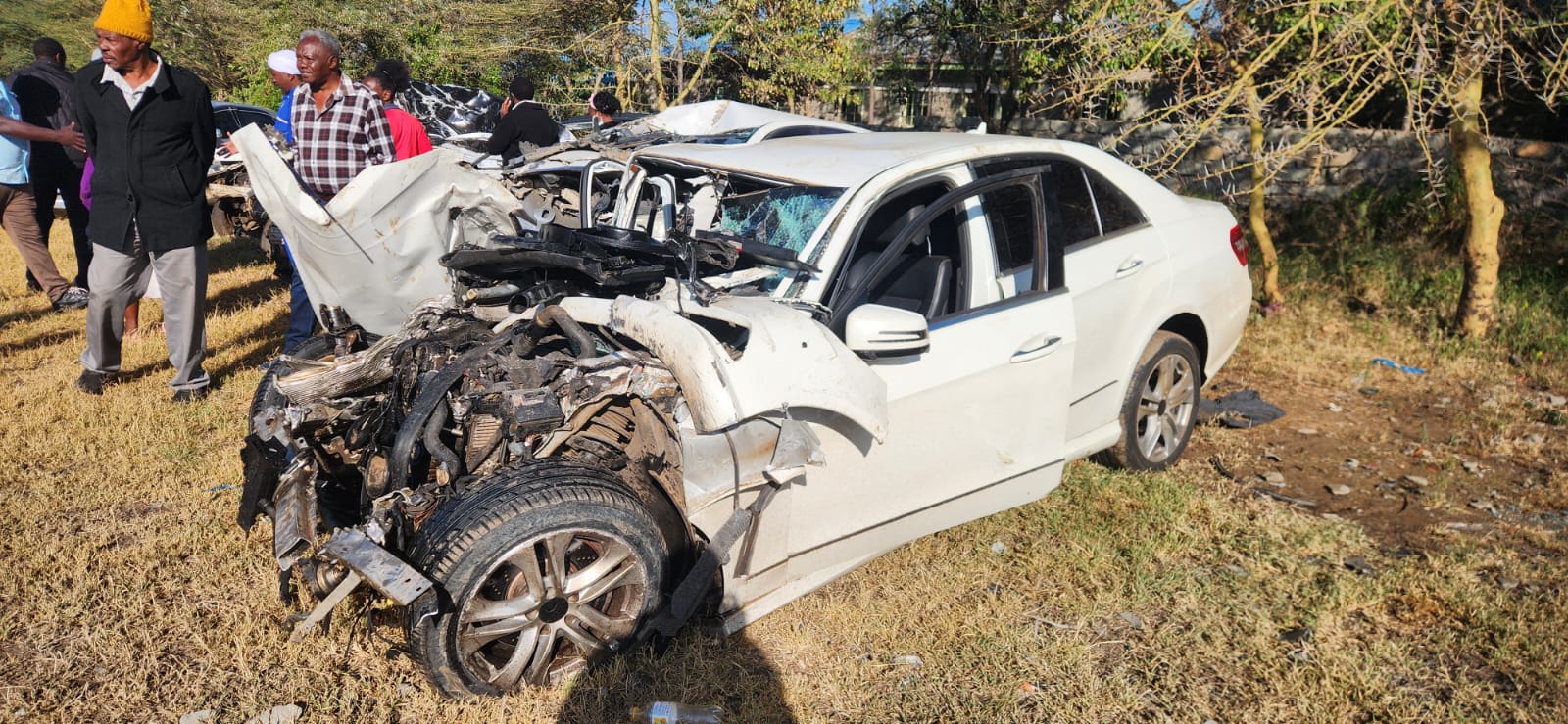 The vehicle that Jirongo was driving at the accident scene./FILE
According to the police report, Jirongo was driving from the Nakuru direction heading towards the Nairobi direction before colliding head-on with a passenger bus.
“The accident occurred today, 13/12/2025, at about 0300hrs at Karai area along Nakuru-Naivasha highway. It happened that one Cyrus Jirongo, aged 64 years, was driving motor vehicle reg. No. KCZ 305C make m/benz from Nakuru direction heading towards Nairobi direction, and upon reaching the location of the accident, he failed to keep to its inner lane and collided head on collission with the oncoming motor vehicle reg. KCU 576A, belonging to Climax company, driven by Tiras Kamau Githinji, aged 52years. As a result of the accident, the driver of KCZ 350C sustained serious head injuries and died on the spot,” the report read.
Gospel artist Betty Bayo
Betty Bayo, the gospel artist, best known for her hit song “11th Hour” passed away on Monday, Novermber 10, 2025 while receiving treatment at Kenyatta National Hospital.
 Gospel artist Betty Bayo
The news of her was confirmed by her ex-partner, Pastor Victor Kanyari. She is said to have breathed her last at around 1 pm.
Bayo died while receiving treatment for blood cancer at Kenyatta National Hospital (KNH), the family has announced.
Family spokespersons described the loss as a huge blow to the family and the gospel fraternity. They said Bayo had been hospitalised for a week after being diagnosed with blood cancer.
“We want to tell the public that today at 1:03 pm, we lost Betty Bayo. It is no longer a rumour; it is the truth,” the family spokesperson said.
The family explained that Bayo’s illness progressed rapidly, leading to complications that doctors tried to manage before she passed away. According to the family, she had been diagnosed with acute mild leukaemia, which resulted in excessive bleeding.
“Betty has been unwell since last week; she was diagnosed with acute mild cancer—leukemia. Betty was transferred to KNH on Friday as she was suffering from excessive bleeding. The doctors tried their best, but the will of God has prevailed,” the family said.
Betty Bayo rose to prominence through her uplifting hit song “Eleventh Hour”, a track that resonated widely due to its powerful message of hope and divine intervention.
The song became an anthem in churches and across gospel platforms, solidifying her place among influential gospel voices in Kenya.
Fellow artists and industry stakeholders describied her as a humble, gifted, and inspirational figure whose music touched countless lives.
She leaves behind a strong legacy of spiritual encouragement and exceptional contribution to the gospel music industry,” read one of the condolence messages from her colleagues.
These high profile deaths reflect more than individual loss as they highlight a broad wave of mourning that cut across different sectors arts, sport, governance, media.
Each life lost carried with it stories, memories, and sometimes unfulfilled promise.
For some, like Ngũgĩ wa Thiong’o or Munyoro Nyamau, the loss was peaceful and followed long lives filled with achievement.
For others, like Kimani Mbugua, the end was abrupt hence leaving many with heavy questions.
There is also the undercurrent of public concern about legacies and accountability.
The death of some, like those in media or activism, renew debates about mental health care, social support, and the protection of voices critical of power.
As Kenya bids farewell to these giants, there is both sorrow and resolve.
Their passing is a call to preserve memory, to build on their contributions, and to protect the vulnerable who carry forward their work.
As Kenya moves into 2026, the memories of those lost this year linger.
Their contributions to knowledge, culture, governance, sport, media remain part of the country’s story.
by CYNDY ALUOCH