


Christmas in Kenya is more than a holiday since it is a homecoming, a season of movement, and a moment that brings the country together around shared memories, food, music, and rituals passed down through generations.
Across cities, towns, and villages, Kenyans prepare for December with a familiar rhythm.
There is excitement, travel and above all, a sense of unity that defines this time of year.
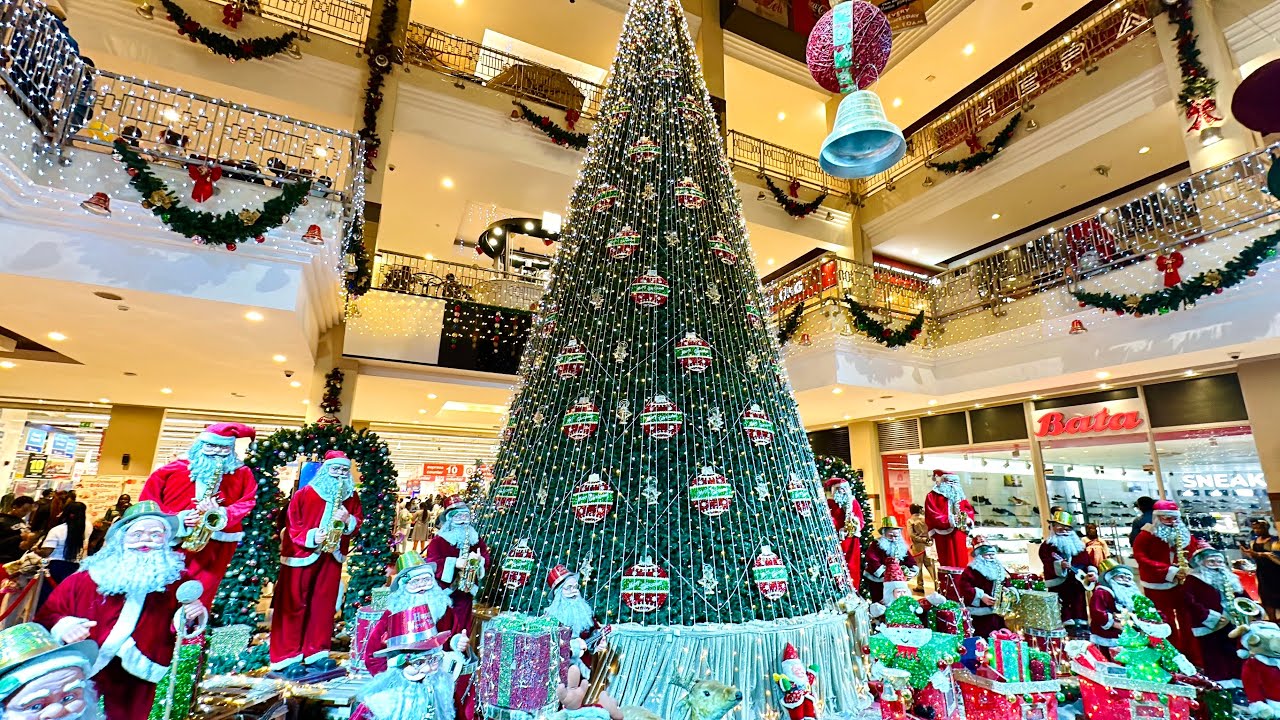
In the bustling streets of Nairobi, colourful lights start appearing as early as late November while shopping centres play carols on repeat.
Families on the other hand negotiate travel dates as public transport fills fast and by the week leading to Christmas, the city begins to empty as many residents head upcountry.
It is a tradition so strong that it has become part of the Kenyan Christmas identity.
“Christmas is the one time you cannot miss home,” Peter Odhiambo, a resident of the capital who travels to Siaya every year said.
“My mother says, Christmas is not Christmas unless everyone is under one roof and she means it verbatim.”
Across the country, a similar story plays out.
Whether the journey is to Kisii, Machakos, Turkana, Nyeri, or Kwale, Kenyans travel long distances to be with their families.
Airlines add extra flights, buses run overnight and private motorists spend hours on highways, often in traffic that has come to define the festive rush.
However, very few complain since the journey home is part of the celebration.
For many, this migration signals the start of Christmas and it is followed by days filled with cleaning, food preparation, shopping, and long awaited reunions.
The season carries a feeling of familiarity an annual reminder of what togetherness looks like in a country as diverse as Kenya.
In the coastal city of Mombasa, Christmas has its own flavour.
The weather is warm, the beaches are full, and hotels fill up with families seeking a holiday experience.
Nyali, Bamburi, and Diani become hubs of activity, with decorated palm trees and ocean front celebrations but even here, the traditions mirror the rest of the country: gatherings, feasting, and storytelling.
The church also remains a powerful anchor of the holiday.
For many families, December 24 and December 25 begin with early morning or midnight services.
Children dress in their best outfits, choirs perform carols, churches host nativity plays, candlelit vigils, and community prayers.
In the rural areas, drums and local hymns blend with Christian songs, creating a distinctly Kenyan sound.
As one Nairobi resident put it, “You feel Christmas before you see it.”
He described the music, the greetings, and the anticipation that fills the air while cheerfully noting that the joy is loud.
The food also tells a national story as in most homes, goat meat is the centrepiece with families contributing money to buy one, often slaughtered on Christmas morning in a communal activity.
Laughter, chatter, and instructions fill the compound as people prepare the feast and for others, chicken, chapati, pilau, biryani, and barbecued meat and the famous ‘Nyama Choma’ make their way to the table.
Each ethnic group brings its own twist, but the core idea remains the same, a shared meal that marks the day.
In Kisumu County, fish takes pride of place, in Meru, mukimo is a must while in Lamu, spiced rice dominates the menu.
Consequently, in Kajiado and Narok, nyama choma is the undisputed favourite making the variations to reflect Kenya’s cultures, but the celebration binds them together.
Mothers, aunties, and grandmothers, often considered the custodians of these recipes, take charge.
Even though Christmas cooking has evolved, young people increasingly join the preparations, eager to learn.
Some even experiment with modern dishes like oven roasted meats, pastries, cakes, and desserts inspired by global food culture and still, the essence remains rooted in tradition.
As a 32 year old business lady from Nairobi Jane Muthoni while capturing the spirit of the festive season said, “Food is love and if we cook together, we stay together.”
Gift giving is another important element, though often done within modest means as many families emphasise thoughtful rather than extravagant presents.
Children receive new clothes, shoes, or small toys items that hold symbolic rather than monetary value.
For many adults, simply being together is considered the greatest gift.
“Presence over presents is also the real meaning of Christmas for us,” Muthoni added.
Decorations on the other hand play a role in shaping the festive mood although not every household puts up a Christmas tree since many create handmade décor.
In rural areas, a branch from a cypress tree becomes a Christmas tree and families hang cotton wool to mimic snow, balloons for colour, and tinsel from the local market to add sparkle.
In urban settings, modern decorations are more common with artificial trees filling living rooms.
LED lights glow from balconies and children insist on lighting fireworks, although many counties now regulate their use for safety.
However, the sparkle and sound are part of the memories.
As the country has grown more digital, Christmas has adapted with social media becoming a parade of matching outfits, family photos, and “Merry Christmas” messages.
Kenyan humour often thrives online, with jokes about the holiday rush, the overeating, and the sudden generosity that seems to take over the season.
But even as the country evolves, older traditions hold strong.
One of the biggest is the idea of community leading to many villages and neighbours coming together to share meals.
No one is ever left out since guests walk in without knocking and children run around freely, moving from house to house also making strangers to become temporary relatives.
In western Kenya, community dances and local bands entertain crowds while in central Kenya, mugithi music becomes the soundtrack of the night.
Furthermore, in the north, camel races and cultural performances highlight the region’s colours.
Each part of the country often reflects its identity while contributing to the wider Kenyan Christmas story.
Music is also a key part of this narrative with secular and gospel Christmas songs dominating radios.
Local artists release holiday tracks and choirs prepare special melodies.
Meanwhile at family parties, playlists jump from Swahili classics, to English carols, to contemporary Kenyan hits hence creating a unique mix with joyful noise.
Young people never forget to bring their own energy to the season.
For many youths, Christmas Eve is a chance to meet friends, attend concerts, or participate in charity events.
Community groups distribute food to children’s homes, hospitals, and vulnerable families and these acts of service reflect a growing culture of giving back.
A university student Sharon Kigen said Christmas has taught her empathy.
“Christmas reminds us to look beyond ourselves. It’s not just celebration but sharing,” she said while adding that her favourite tradition is donating clothes every December, something she has done since childhood.
Across Kenya, the holiday also sparks a wave of creativity. Markets sell colourful ‘kitenge’ outfits tailored specifically for Christmas.
Craft makers produce handmade ornaments, photographers set up themed studios, restaurants create festive menus while hotels organise beach dinners, carol nights, and fireworks for New Year’s Eve.
Despite the modern glam, Christmas remains deeply anchored in memory and routine.
Many traditions have survived decades of social change and they continue because they offer comfort and belonging.
Family, food, faith, and travel remain at the heart of it since they form the rhythm that Kenyans return to every December.
One Miriam Naliaka explained the power of these rituals saying, “Traditions give us identity and create continuity across generations. When Kenyans travel home or sit around a Christmas table, they are participating in something much bigger than a single day.”
This sense of unity is felt strongly on the evening of December 25.
After a day of celebration, many families sit outdoors as the sun sets and watching children play with new toys.
Adults laugh, catch up, or reflect on the year making the worries of everyday life to feel distant.
In many places, bonfires light up the night as people roast maize or meat while sharing stories.
Music plays softly from someone’s radio marking a peaceful moment, a pause before a new year begins.
Some traditions are however changing since urbanisation, work schedules, and economic pressures influence how families celebrate.
Not everyone can travel or even afford a large feast but even then, Kenyans find ways to preserve the core meaning of the day.
For some, that means visiting friends instead of family while for others, it means joining community meals or church gatherings.
For many, it means calling home if they cannot travel to ensure the connection remains.
Naliaka noted that tradition is not about perfection but about intention.
“If the heart of Christmas is togetherness, then any act that brings people together keeps the tradition alive,” she said.
As December approaches, Kenyans once again prepare for the familiar rituals.
Markets will fill, matatus will pack, churches will plan services, homes will be cleaned, families will reunite and the country will slow down, even if briefly.
Christmas continues to be one of the most powerful cultural seasons in Kenya.
It crosses economic, ethnic, religious, and generational lines, finding expression in rural villages and busy cities, at beaches and on farms, in small houses and large estates.
It is the season that holds the country together through food, music, faith, travel, shared memories, and the unspoken understanding that this time of year is special.
by CYNDY ALUOCH