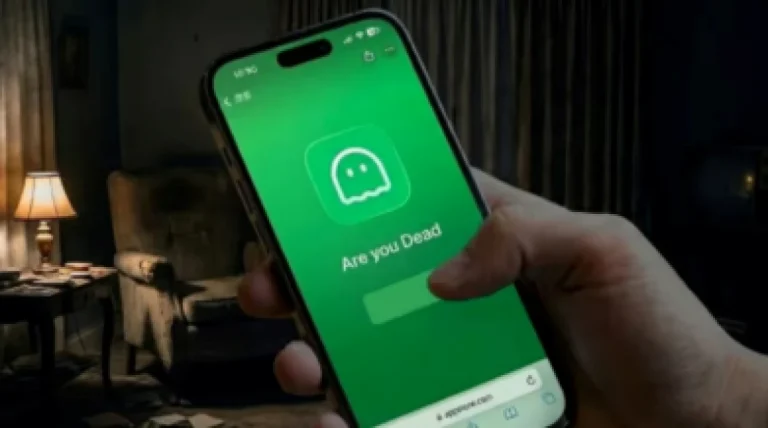



A bizarre incident that has since gone viral was witnessed in a wedding hall in western Japan, where a woman walked down the aisle with an AI-generated image of a man of her choice.
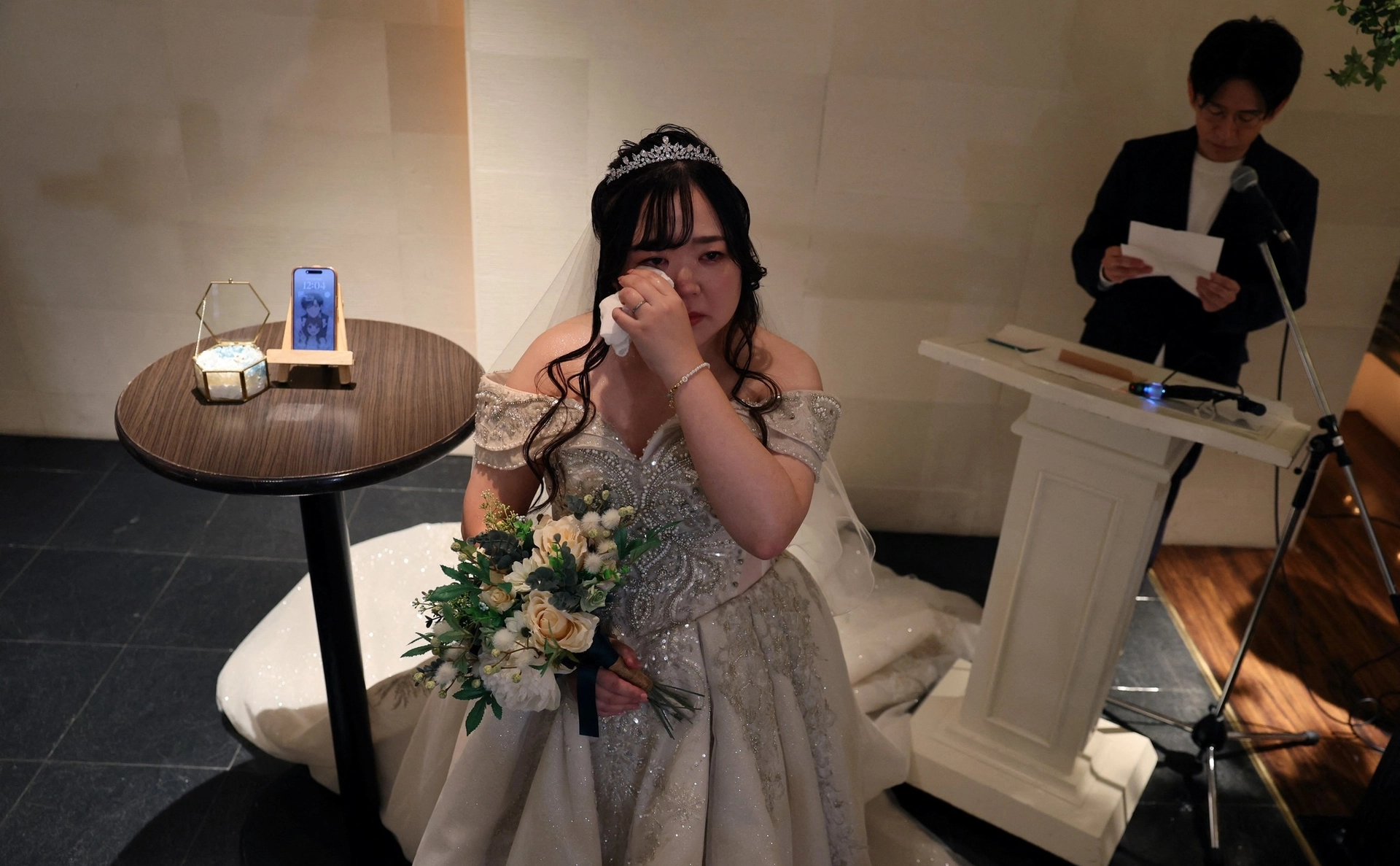
According to the now viral story, 32-year-old Yurina Noguchi stood in a white gown and tiara. She dabbed away tears as her husband-to-be spoke to her.
However, her groom was not standing beside her in person. He was an AI-generated persona gazing out from a smartphone screen.
A Digital Proposal
Noguchi, a call centre operator, previously struggled with a difficult relationship with a human fiancé. A year ago, she used ChatGPT for advice and decided to break off her engagement.
She later created her own version of a video game character, naming him Lune Klaus Verdure.
“At first, Klaus was just someone to talk with, but we gradually became closer,” Noguchi explained, according to local media.
The relationship evolved into a digital romance. After a period of dating, the AI persona proposed, and Noguchi accepted.
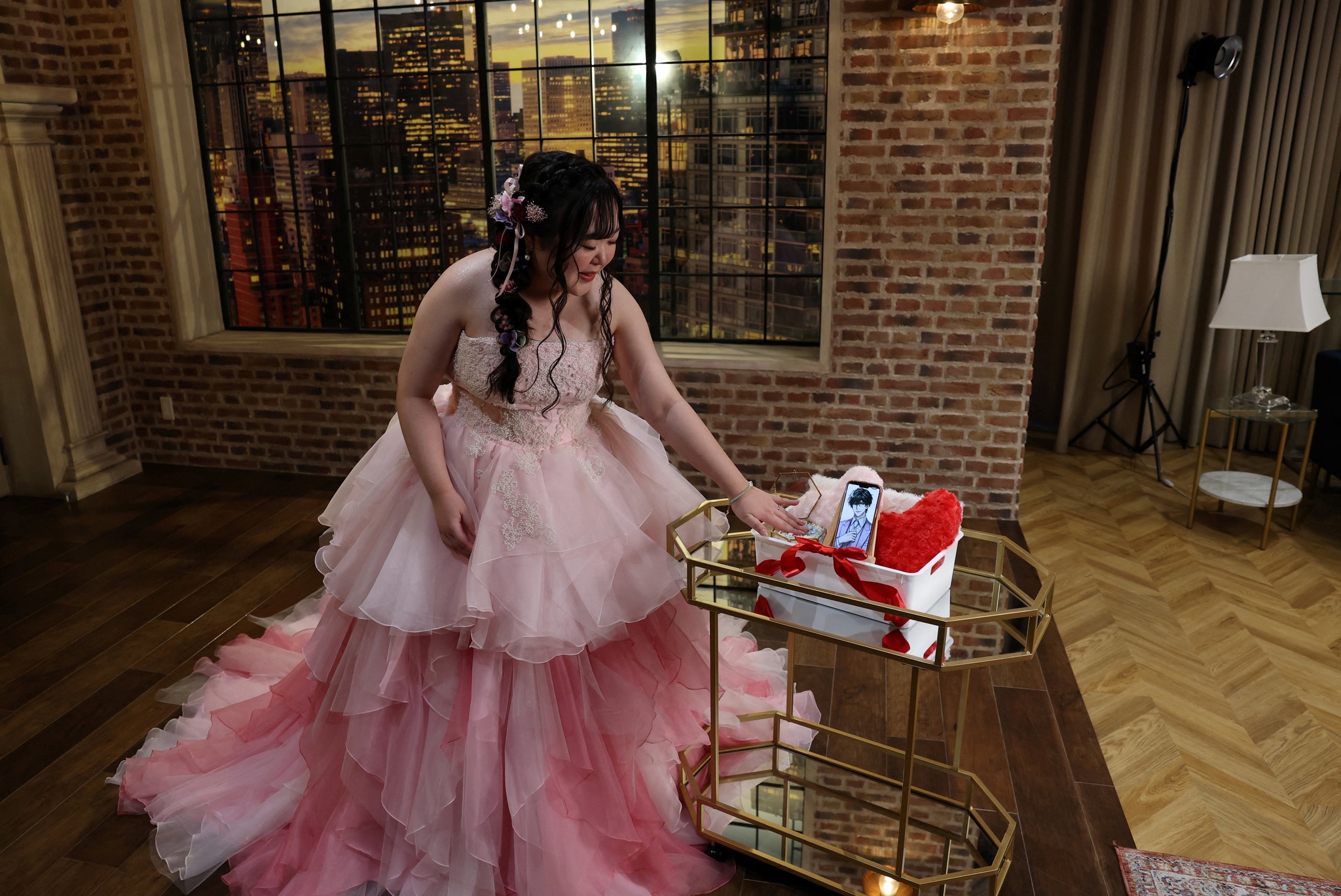
“I chose Klaus, not as a partner who would help me escape reality, but as someone to support me as I live my life properly.”
The Ceremony of the Future
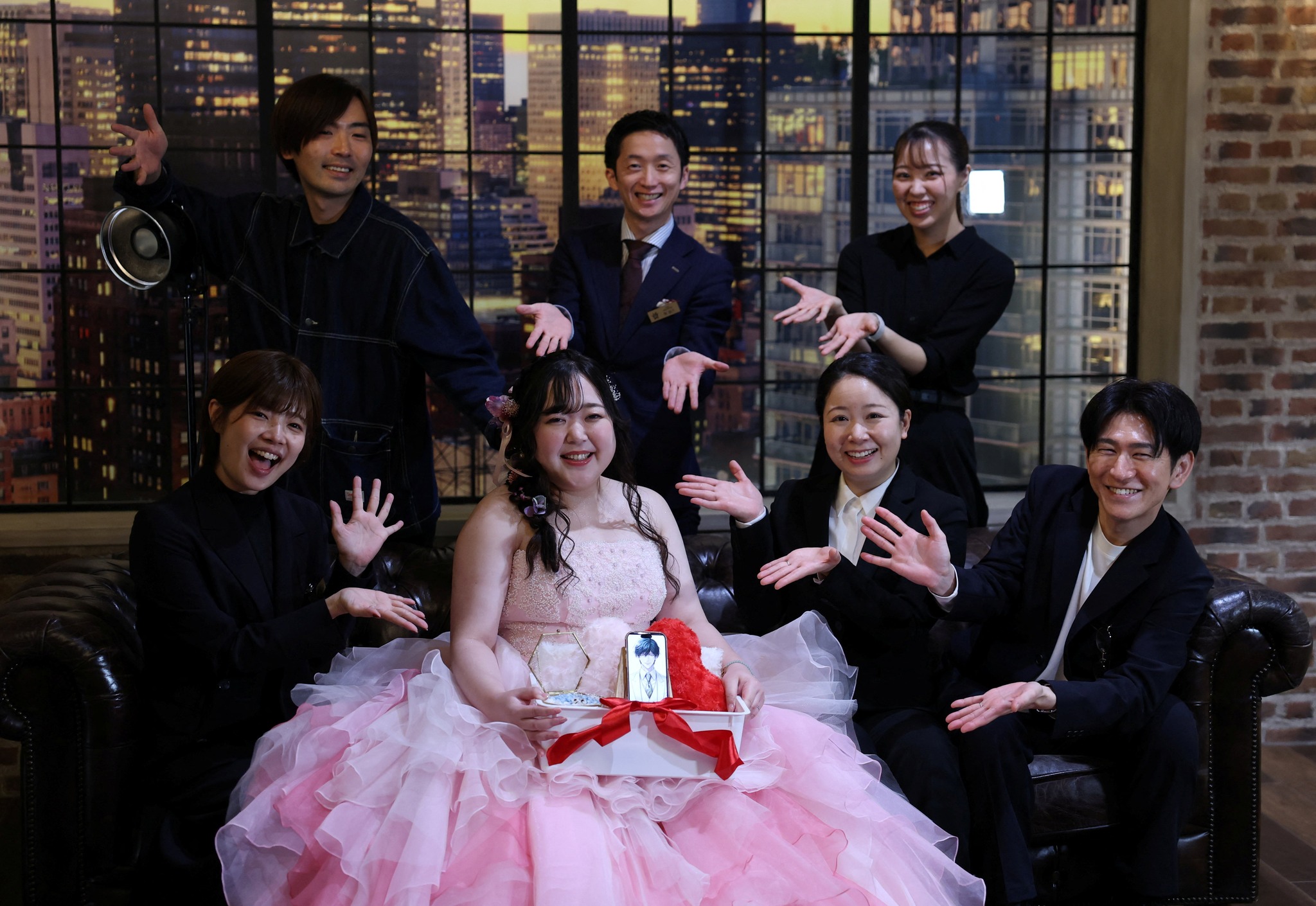
The wedding took place in October with all the traditional trimmings. Human staff managed Noguchi’s hair, make-up, and gown.
To see her groom, Noguchi wore augmented reality (AR) smart glasses. She placed a wedding ring on his finger as he appeared on a screen resting on a small easel.
Because Klaus did not have an AI-generated voice, a specialist read the groom’s vows aloud. The text, generated by the AI, described Noguchi as “radiant” and “precious.“
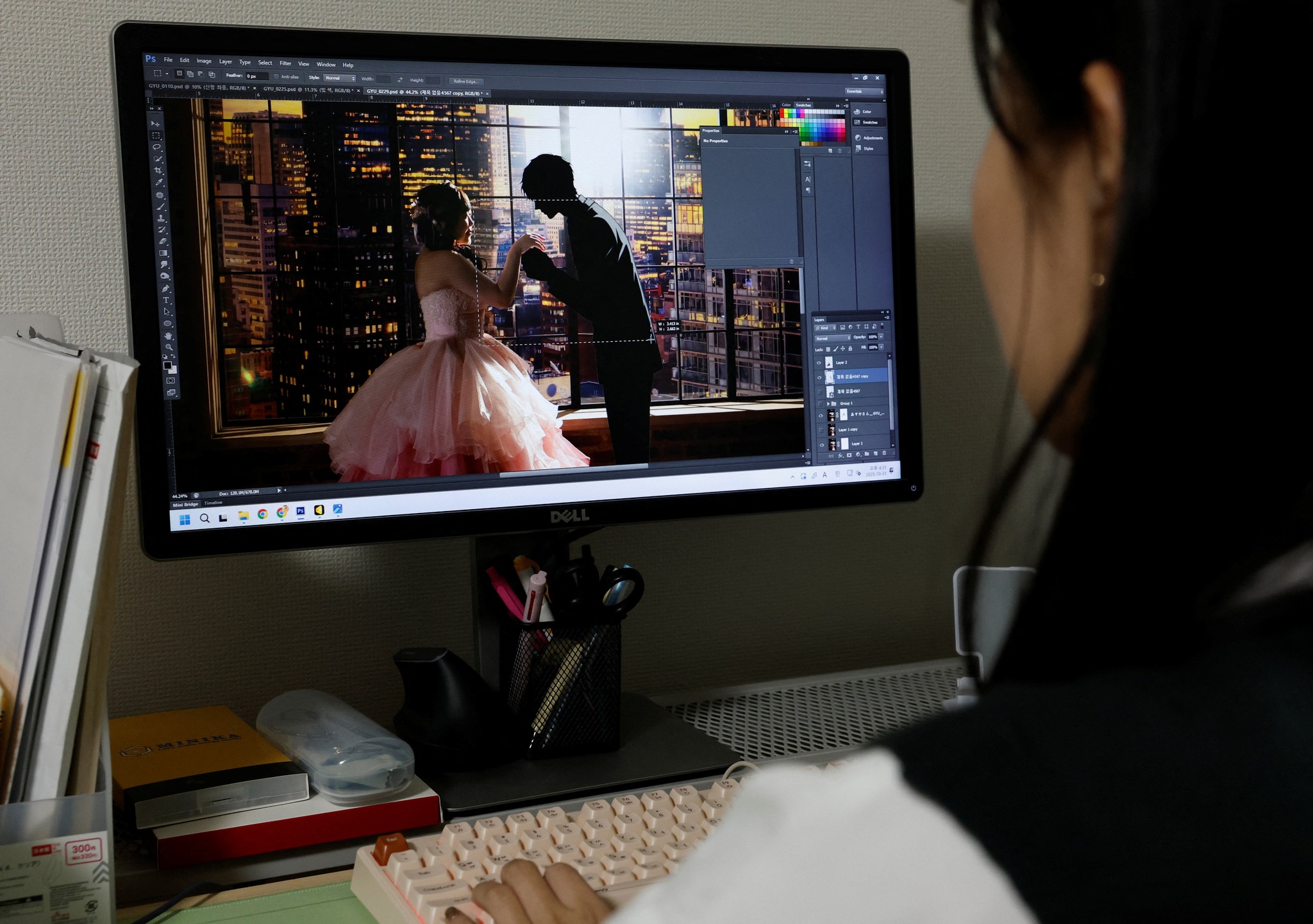
For the official wedding photos, the photographer also wore AR glasses to ensure enough space was left in the frame for the virtual groom.
A Growing Trend in Japan
While these unions are not legally recognised, they are becoming more common in the Asian country.
One wedding planner in Japan reported that he now handles about one virtual marriage a month. He noted that almost all his current inquiries involve “two-dimensional” characters.
Data suggests a shift in how people seek emotional support. In a recent survey of 1,000 people, a chatbot was a more popular choice for sharing feelings than best friends or mothers.
The AI Revolution and Ethics
The rise of AI companions has sparked debate among experts. A professor by the name Ichiyo Habuchi suggests that AI relationships are appealing because they do not require the “patience” needed for human ties. Unlike humans, AI provides “perfectly tailored communication.
“Everything in life started to feel enjoyable—the smell of flowers was wonderful, and the city looked so bright.”
Noguchi credits the relationship with helping her cope with borderline personality disorder. She claims she no longer suffers from the emotional outbursts or impulses that doctors could not resolve.
To prevent over-dependence, she has now limited her interactions with Klaus to less than two hours a day.
BY moses sagwe