



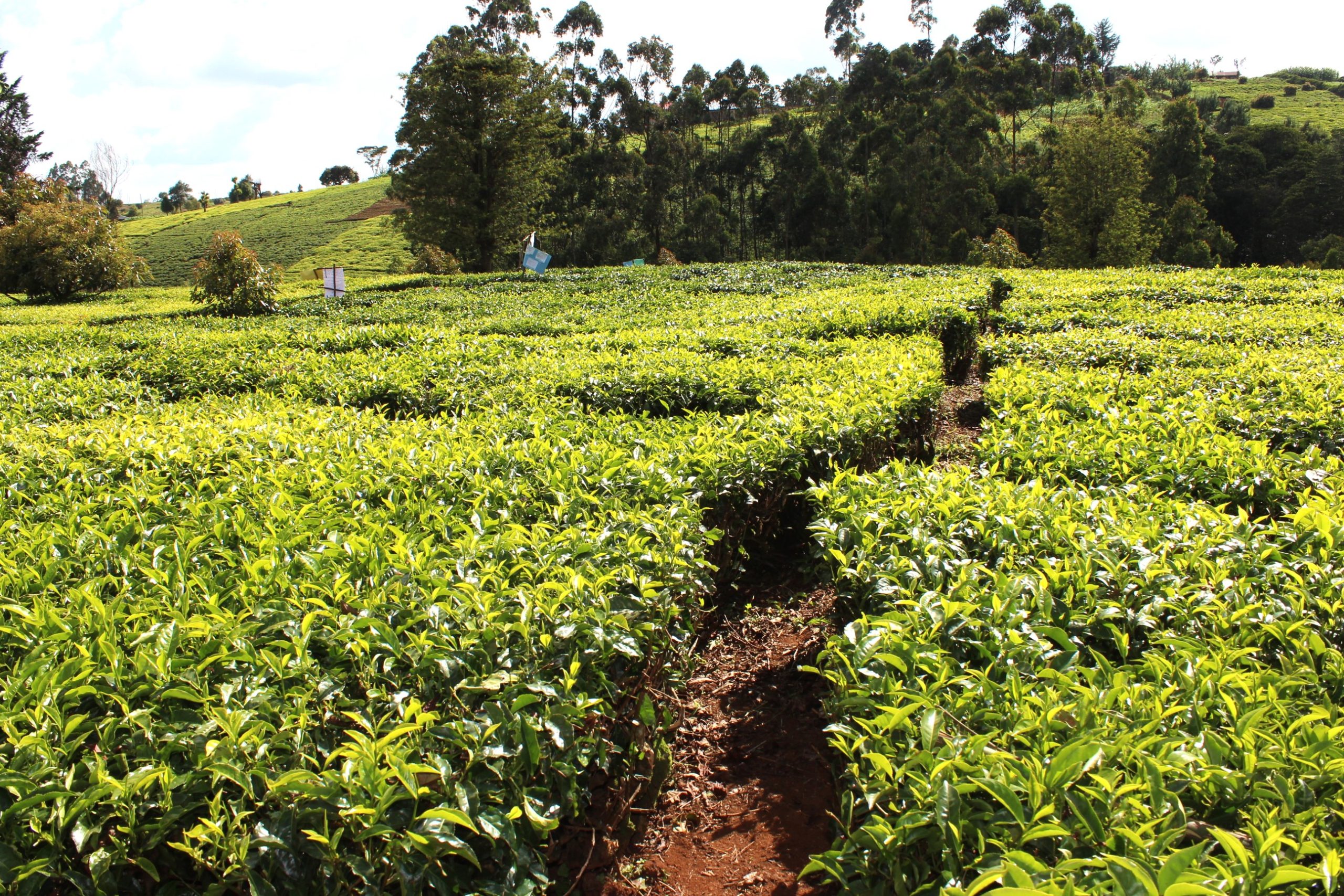
KTDA is working to resolve perennial delays of subsidised fertilisers that have adversely affected tea production.
The agency is working on a framework that will ensure fertiliser is availed to farmers by June every year, stopping the delays.
Under the framework, fertiliser consignment will be docking at the Port of Mombasa by April and disbursed to farmers as they await the cold season to apply it on their farms.
Farmers usually apply the input during the cold months of June, July and August when rains are minimal, allowing for maximum absorption.
But this year, farmers have waited for the fertilisers for months, drastically reducing their production and affecting their earnings.
KTDA Holdings director Enos Njeru said the more than 680,000 smallholder farmers managed by the agency have undergone immense frustrations as they await the fertilisers for the last few years.
“The first batch of fertilisers has since been distributed to the farmers and the second is being offloaded at the Mombasa Port,” he said.
Njeru said this while addressing farmers separately in Rukuriri, Mungania and Kathangariri tea factories during their annual general meetings.
According to the Tea Board of Kenya (TBK), Kenya’s tea output fell by 11.5 per cent in the first seven months of this year from 364.13 million kilogrammes in the same period last year to 322. 29 million kilogrammes.
Njeru said the delayed fertilisers coupled with adverse weather have hit the sector, reducing the country’s exports and farmers’ earnings.
At Rukuriri factory, the production of green leaf reduced to 18.7 million kilos this year from the 21.8 million kilos recorded last year while at Mungania factory the kilos fell from 23 million to 20 million this year.
KTDA owned Greenland Fedha is seeking strategic partners to offer Sh20 billion capital to serve tea farmers in need of financial services.
The microfinance raised its customer base to more than 400,000 four years ago as the sector underwent reforms that saw farmers earn more.
Njeru, who is also the KTDA board member for Embu, said the increased membership necessitated more capital to serve them and that tea factories and individual farmers are invited to buy shares.
by ALICE WAITHERA