



Health leaders are warning that Antimicrobial Resistance (AMR) has escalated into a “silent, invisible pandemic” across Africa, now killing more people on the continent than HIV, malaria or tuberculosis.
The alarm was raised this morning as regional and global health stakeholders convened in Nairobi for the 2nd ASLM Special Convention on Diagnostics.
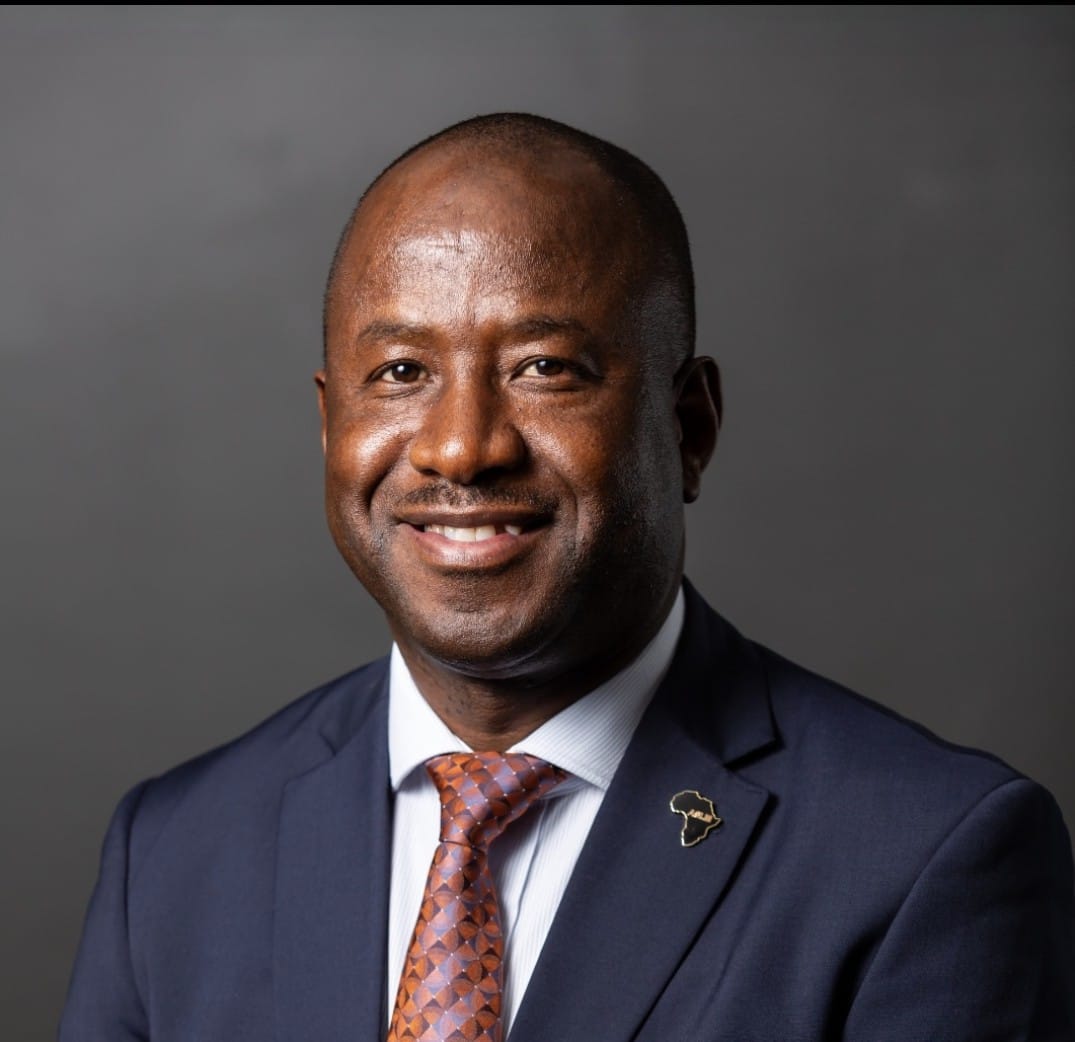
“AMR is now a leading cause of death, surpassing HIV, malaria, or tuberculosis. The patient in a hospital in Nairobi, Kampala, or Dakar is more likely to die from a drug-resistant infection than almost anywhere else on earth,” said Mr. Nqobile Ndlovu, CEO of the Africa Society for Laboratory Medicine (ASLM).
The three-day convention, themed “Strengthening Diagnostics, AMR Surveillance and Innovative Financing for Impact,” opened with urgent calls for African governments and partners to invest heavily in diagnostics and laboratory systems. Leaders stressed that the capacity to test before treatment is critical to slowing the spread of drug-resistant infections.
“If the COVID-19 pandemic taught us anything, it is this: no health system is stronger than its capacity to detect, diagnose, and respond,” said Mary Muthoni, the Principal Secretary in the State Department for Public Health and Professional Standards.
“Diagnostics are the first line of defence for outbreaks, AMR, chronic diseases, and routine clinical care.”
The PS, who was represented by Dr. Stephen Muleshe, Director of Public Health, emphasized the need for regional collaboration, including shared data, joint manufacturing pathways, and collective learning. “No country can tackle AMR or pandemics alone,” she said.
Ndlovu cited 2019 global estimates showing that antimicrobial resistance claimed 1.27 million lives, with Sub-Saharan Africa suffering the highest mortality burden.
He pointed to findings from ASLM’s MAAP study revealing that only 1.3% of designated laboratories on the continent can reliably perform antibiotic susceptibility testing (AST), a tool essential for guiding effective treatment.
“For too long, prescribing without diagnostics has been fighting blind. It endangers patients and fuels resistance,” he warned, calling for stronger lab quality standards to support continent-wide surveillance.
Stakeholders also decried the rampant misuse of antibiotics, urging tighter regulation of over-the-counter sales. Pharmacists were challenged to stop dispensing antibiotics without a doctor’s prescription.
ASLM has emerged as the leading pan-African institution advocating for stronger laboratory systems and evidence-based diagnostics. The Nairobi meeting marks the organization’s second special convention, following its inaugural gathering in Abidjan last year.
As AMR continues to rise, leaders at the convention stressed that Africa must act quickly to prevent the crisis from escalating further—warning that lives, health systems, and economic stability are at stake.
by Tabnacha Odeny