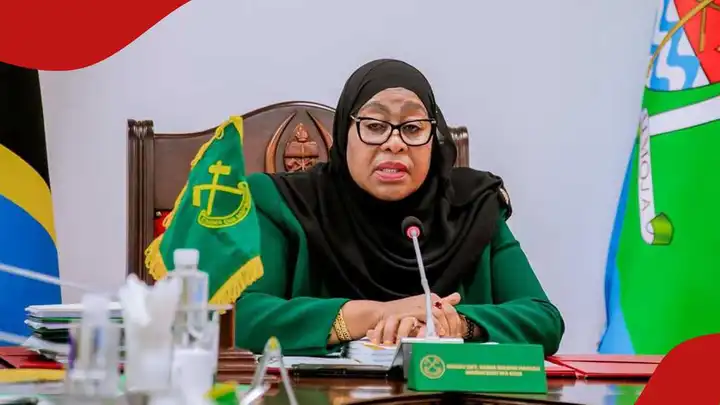
President Samia Suluhu has admitted that Tanzania’s global standing has taken a hit after violent protests surrounding the October 29 General Election. President Samia Suluhu during a past meeting. Photo: Samia Suluhu. Source: Twitter The head of state delivered the assessment during the swearing-in of her new cabinet at Chamwino State House in Dodoma on Tuesday, November 18. Why did Suluhu warn her new Cabinet? Suluhu warned that the unrest had weakened the country’s credibility among various international lenders. Addressing ministers and senior government officials, the president said the instability had created fresh concerns for development partners who closely monitor political conditions. She noted that Tanzania relies heavily on foreign financing and that recent events risk slowing that financial support. “Our resources are limited. We often depend on external support, loans from various international institutions and international banks, but what has happened in our country has stained our record a bit, so it might reduce our standing when seeking those loans as easily as we did in the first term of this sixth administration,” she said.
How will Tanzania cope with the shift in perception? She cautioned that this change in perception would make negotiations with major institutions more difficult, a challenge her administration must now address while trying to maintain ongoing development commitments. The president linked the strain directly to the unrest, which she suggested had left the nation’s image dented in the eyes of global stakeholders. Suluhu stated that Tanzania will have to focus on internal funding for projects. Suluhu explained that the government will place a stronger focus on raising funds internally to maintain momentum on infrastructure and social development. She said priority projects in the second term of her administration will begin with domestic resources before external partners become involved. “We have the task of finding money within the country by using the resources God has given us. We will look for ways to use them to generate funds so we can implement the projects we intend to carry out. In the second term of this sixth administration we will start implementing projects on our own then the organisations will find us already on the way and we will move forward with them. We will not sit and wait,” she added.
By Didacus Malowa