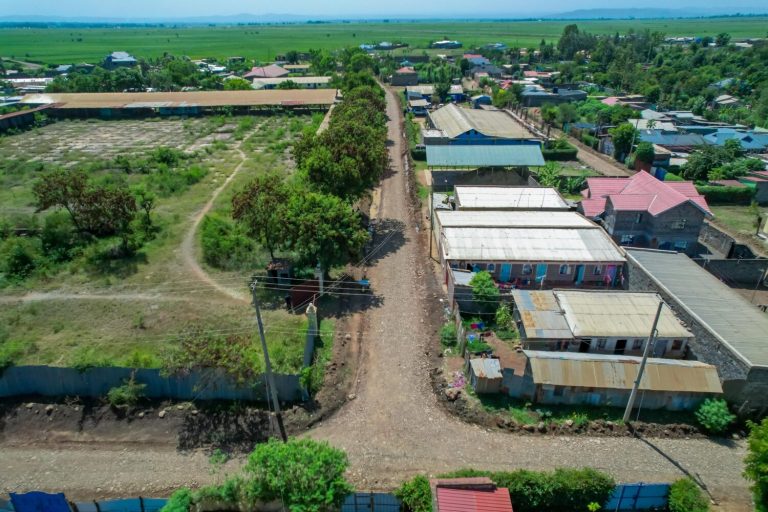


Seventy-one KCSE candidates from Soymining Secondary School are receiving emergency support and temporary shelter after devastating floods swept through their village, destroying homes and cutting off access to their school at the height of the national exams.
The floods, triggered by days of heavy rain, submerged more than 3,100 acres of farmland in Soymining, displacing dozens of families and forcing authorities to relocate affected learners to AIC Kobos Secondary School to ensure their exams continue uninterrupted.
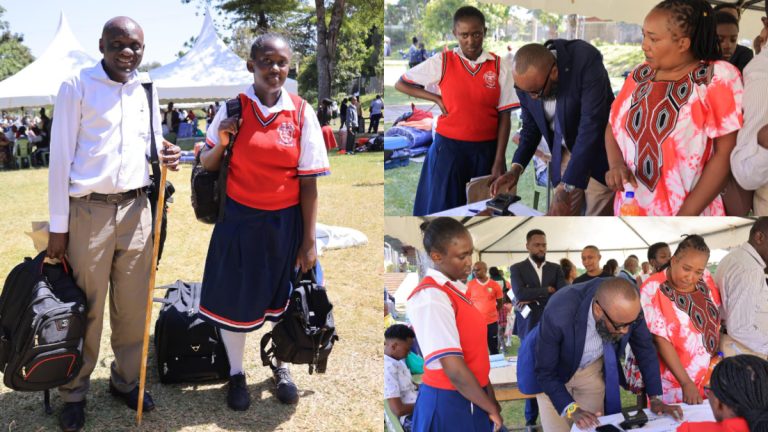
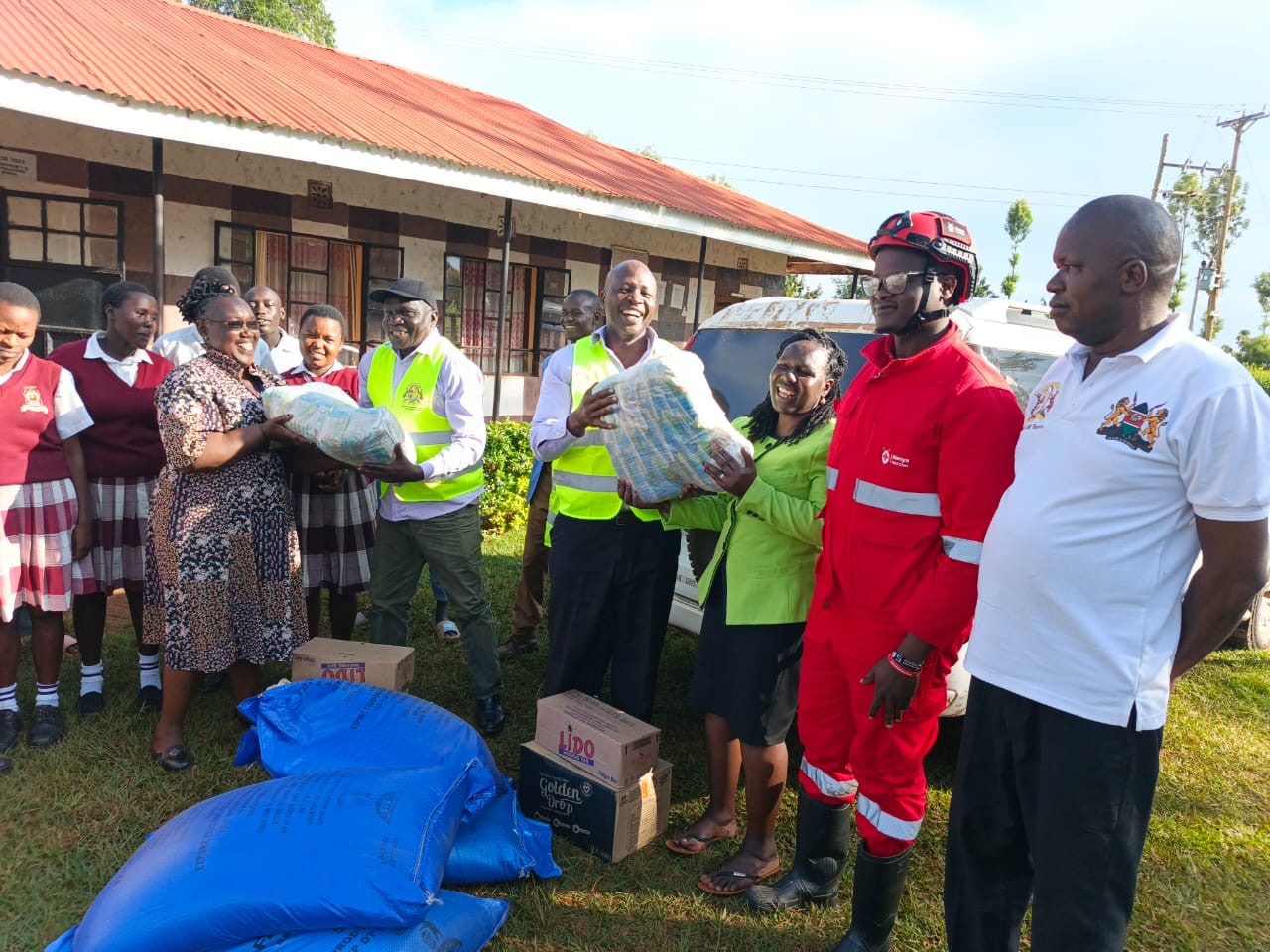
The Trans Nzoia government, in collaboration with well-wishers, has provided food, bedding and other essentials to the stranded students.
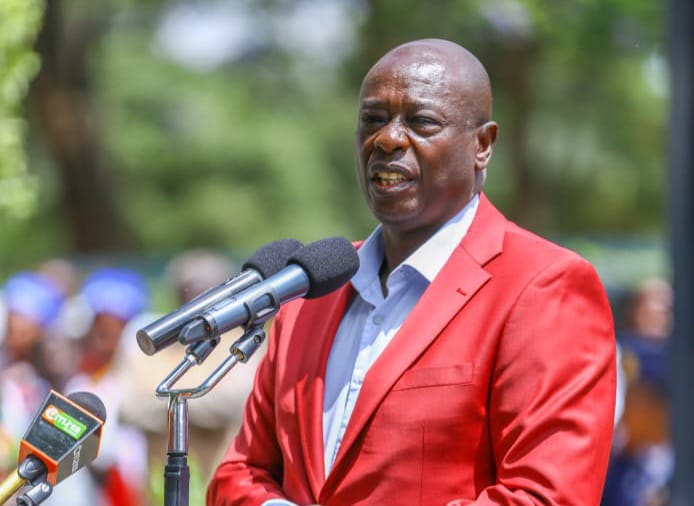
Gender, youth, sports, culture and tourism executive Eliud Tormoi, who led the county response, said the students’ safety and welfare remain a priority.
“We are committed to ensuring the candidates finish their exams smoothly,” Tormoi said, adding the floods had traumatised many learners, who were forced to flee with nothing but their uniform.
“We appeal to well-wishers to continue donating food, sanitary products and basic personal items.”
The relocation has placed 33 boys at Kobos Boys’ Secondary School and 38 girls at Kobos Girls’ Secondary School, where they are expected to stay for about two weeks.
Soymining Secondary School principal Pamela Lumadede thanked the county for quick intervention but said more assistance was needed.
“Our students were displaced and some came with nothing. Additional help will ensure they remain comfortable and focused on their exams,” she said.
Kobos Girls’ principal Selina Kirui, whose school absorbed the female candidates, said the sudden influx had stretched their limited resources.
“They came empty-handed because they are day scholars,” she said.
“We urgently need bedding, toiletries, sanitary pads and soap. These children have been through a crisis, and our duty is to protect their education and dignity.”
Meanwhile, county authorities confirmed that displaced families have been relocated to safer grounds as rescue and relief efforts continue.
BY MATHEWS NDANYI