




Generation Z—those born between the late 1990s and early 2010s—are rapidly entering the global workforce.
Unlike previous generations, they have grown up fully immersed in technology, with smartphones, social media, and instant connectivity shaping their worldviews.
As they step into employment, they are challenging traditional workplace norms and pushing for new ways of working.
Technology at the Core
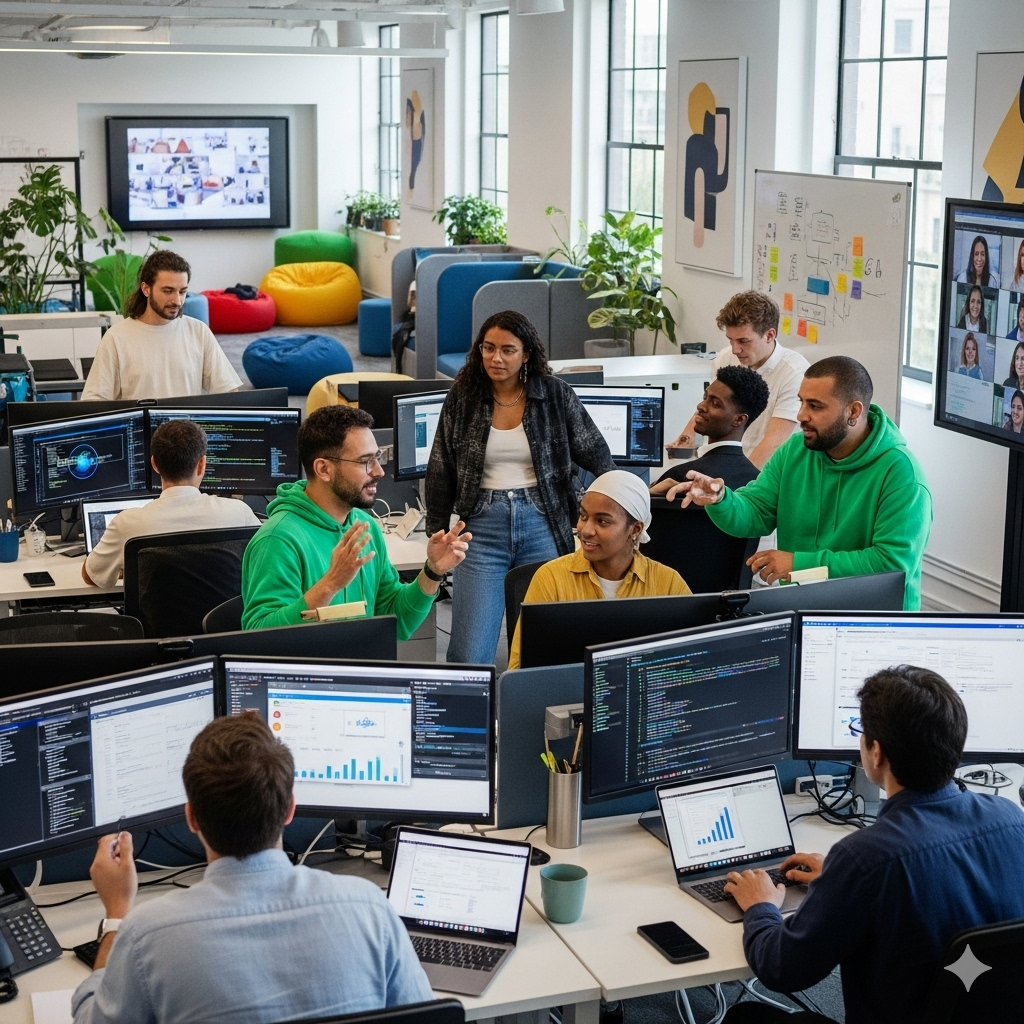
For Gen Z, technology is not just a tool but an integral part of life. They expect workplaces to be digital-first, with remote working options, collaborative platforms, and automation.
Virtual meetings, cloud-based systems, and AI-driven solutions are seen as standard rather than special. Companies that fail to adopt modern tools risk being labelled outdated or unattractive to this tech-savvy generation.

Demanding Flexibility
Unlike older generations that often valued job security above all else, Gen Z is more focused on flexibility and work–life balance.
Many prefer hybrid work arrangements that allow them to blend office collaboration with the comfort of remote working.
This shift is pushing employers to rethink rigid office hours and embrace results-driven cultures, where productivity is measured by outcomes rather than presence at a desk.
Values Over Pay
Research shows that Gen Z employees are more likely to choose employers who align with their personal values, even if it means earning less money.
They care deeply about social justice, environmental sustainability, and workplace diversity. A company’s stance on issues such as climate change, inclusivity, and ethical practices can be just as important as salary packages or promotions.
The Gig Economy and Entrepreneurship
Another defining feature of Gen Z’s approach to work is their openness to the gig economy. Freelancing, side hustles, and entrepreneurship appeal to their desire for independence and financial control.
Platforms offering flexible earning opportunities are already popular among young professionals who prefer to avoid the constraints of traditional 9–5 jobs. Many in this generation dream of starting their own businesses, reflecting a culture of innovation and self-determination.
Preparing for the Future
Employers must adapt by embracing digital transformation, inclusive cultures, and flexible policies.
Training and mentorship will also be key, as Gen Z values personal growth and continuous learning opportunities. In return, businesses stand to benefit from their creativity, adaptability, and ability to thrive in a fast-changing world.
A Workplace Redefined
As Gen Z reshapes the future of work, the traditional office is giving way to more dynamic, tech-driven, and values-led environments.
For employers, the challenge is clear: adapt to new expectations or risk losing out on the generation that will soon dominate the global workforce.
BY Judy mutinda