



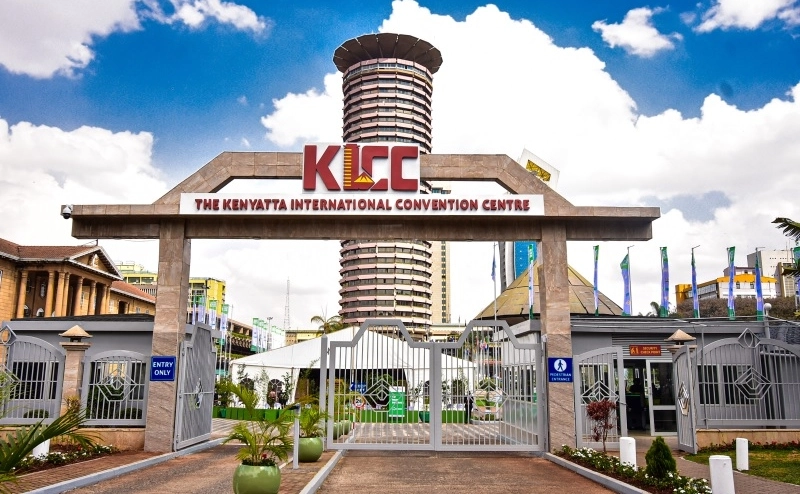
Kenya has cemented its position as one of Africa’s leading economies, recently ranked as the 7th richest country on the continent by nominal GDP.
According to global economic reports, the nation’s GDP is estimated at $116 billion, underscoring its growing influence as an economic powerhouse in East Africa.
This ranking places Kenya ahead of several African nations with almost the same population sizes and natural resources, marking a significant achievement in its journey toward becoming a middle-income country.

Africa’s Richest Economies
Africa’s top economies, measured by nominal GDP, are dominated by Nigeria, South Africa, and Egypt, each boasting GDP figures exceeding $350 billion.
Algeria, Morocco, and Ethiopia occupy the next three slots, with Kenya following closely at number seven.
This ranking reflects Kenya’s steady economic expansion, particularly over the past decade, driven by infrastructure development, financial services, agriculture, and the booming tech industry.

Key Drivers of Kenya’s Economic Growth
Agriculture: The Economic Backbone
Agriculture remains Kenya’s largest economic sector, employing nearly 70% of the rural population.
Key exports include tea, coffee, horticultural products, and flowers, which continue to fetch significant revenue in global markets.
Technology & Innovation: The Silicon Savannah
Kenya has earned the nickname “Silicon Savannah” for its thriving tech ecosystem.
The success of mobile money platform M-Pesa, developed by Safaricom, revolutionized financial transactions across Africa and beyond.
Additionally, Nairobi has become a hub for tech start-ups, attracting foreign investors and venture capitalists.

Infrastructure Development
Projects such as the Standard Gauge Railway (SGR), expansion of the Port of Mombasa, and modernization of major highways have strengthened trade networks within East Africa.
These investments have enhanced regional integration and made Kenya a strategic gateway for commerce in the region.
Tourism & Hospitality
Despite global economic slowdowns and the impact of the COVID-19 pandemic, Kenya’s tourism sector continues to recover, attracting millions of visitors annually with its wildlife, beaches, and cultural heritage.

Kenya’s Role in East Africa
Kenya’s economy not only fuels its domestic development but also undertakes trade and investment across the East African Community (EAC).
Nairobi serves as a financial hub, hosting regional offices for international corporations and development agencies.
The country’s strategic location, stable banking system, and relatively diversified economy position as a gateway for investors eyeing East Africa’s growing consumer market.

Challenges Behind Growth
Despite the impressive ranking, Kenya still faces major economic hurdles:
High Public Debt: Borrowing for infrastructure projects has significantly increased Kenya’s debt burden, raising concerns about repayment and fiscal sustainability.
Youth Unemployment: While the economy grows, job creation lags, leaving a significant portion of the population underemployed.
Inflation and Cost of Living: Rising food and fuel prices continue to affect household income and consumer spending.
Climate Vulnerability: As a largely agrarian economy, Kenya is highly exposed to the effects of climate change, with droughts and floods threatening agricultural output.
Regional and Global Impact
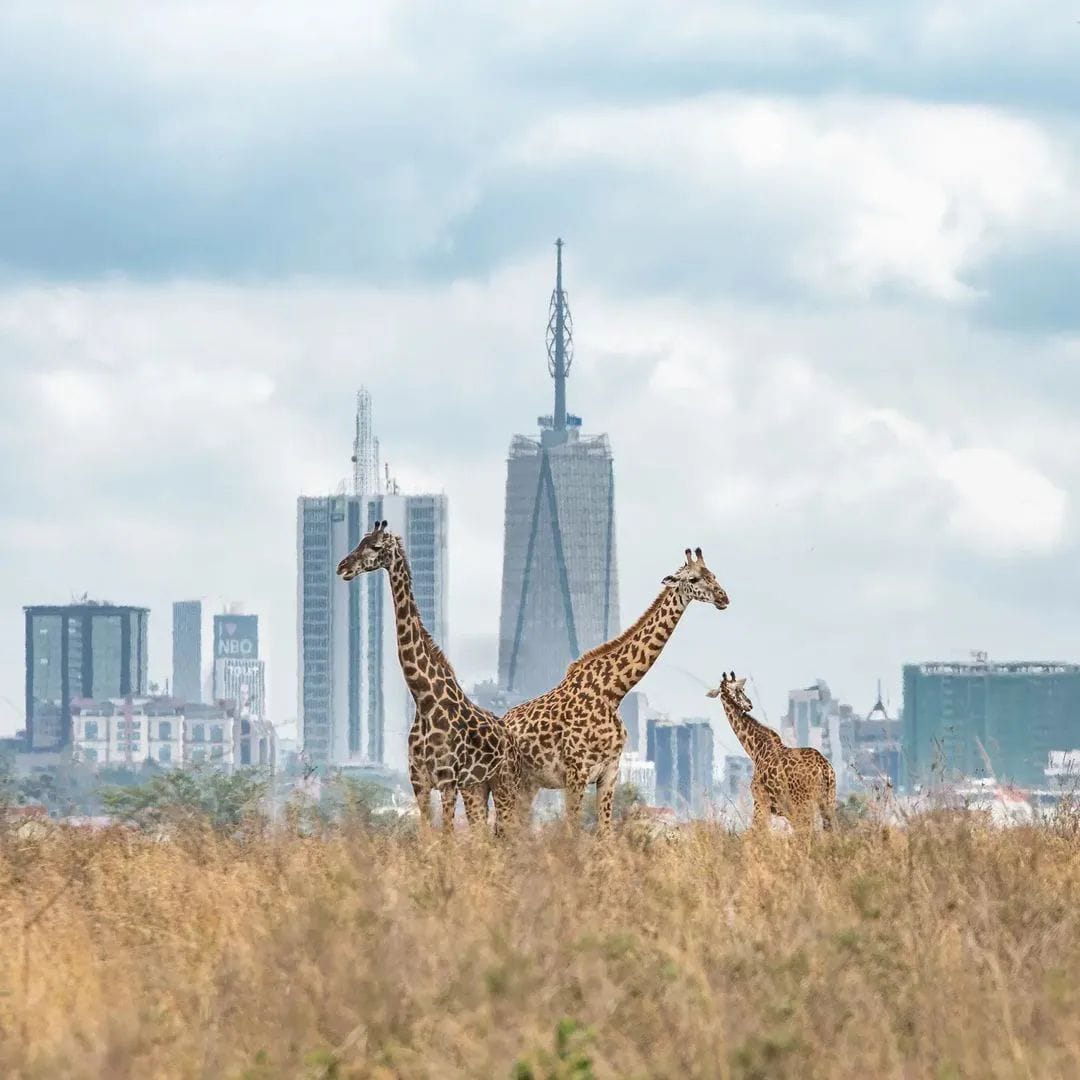
Kenya’s position as the 7th richest African country highlights its potential to drive regional economic growth.
The government’s Kenya Vision 2030 blueprint, aimed at transforming the nation into a newly industrializing middle-income economy, is already shaping policy in key sectors such as manufacturing, energy, and trade.
Furthermore, Kenya’s commitment to digital transformation, renewable energy, and public-private partnerships has positioned it as a model for sustainable economic development in Africa.

Looking Ahead
As Kenya eyes further growth, economists point to the need for structural reforms to sustain its upward trajectory.
Investment in education and skills development, industrialization, and expansion of export markets are seen as critical next steps.
If these strategies succeed, Kenya’s climb up the economic ladder could continue potentially challenging the top five economies in the next decade.
Kenya’s rise to become the 7th richest country in Africa is a testament to its resilience, innovation, and strategic economic planning.
While challenges persist, the nation’s diverse economy and regional influence paint a promising picture for the future, one where Kenya could move even higher in Africa’s economic rankings.
by patrick nyamai