Kenyan consumers have recently observed a worrying trend: the same amount of money now purchases fewer electricity units than it did before.
Kenya Power has now offered a clear explanation, citing shifts in customer tariff categories as the primary reason for this noticeable change.
The utility firm clarifies that the perceived drop in electricity units per shilling is not due to hidden costs but rather a consequence of many households transitioning into higher tariff categories after years of potentially benefiting from lower rates.
Understanding Your Tariff Category
Kenya Power classifies households into different tiers based on their average electricity consumption over three consecutive billing cycles.
This crucial detail means that your tariff is not determined by a single month’s usage but by a sustained consumption pattern.
Domestic Lifeline Tariff (0-30 units): Households consistently consuming under 30 units per month are placed in this most affordable category, paying around KSh 15 per unit.
This tariff is specifically designed to make electricity accessible for low-consumption households.
Higher Tariffs (Over 30 units): Once a household’s average usage exceeds 30 units over three consecutive months, they are automatically moved up to a higher tariff, such as the Domestic Ordinary (for 31-100 units) or Commercial Tariff (for over 100 units).
Moving to these higher tariffs directly translates to increased per-unit charges, meaning the same amount of money will yield fewer units.
For instance, the Domestic Ordinary tariff can be approximately KSh 20.97 per token (excluding taxes and levies).
It’s important to note that exceeding 30 units in a single month may not immediately shift your category. However, maintaining that level of consumption over three consecutive months will trigger the change.
How to Check Your Tariff and Manage Your Bill
Kenya Power advises consumers to proactively manage their electricity costs by understanding their tariff and monitoring their usage.
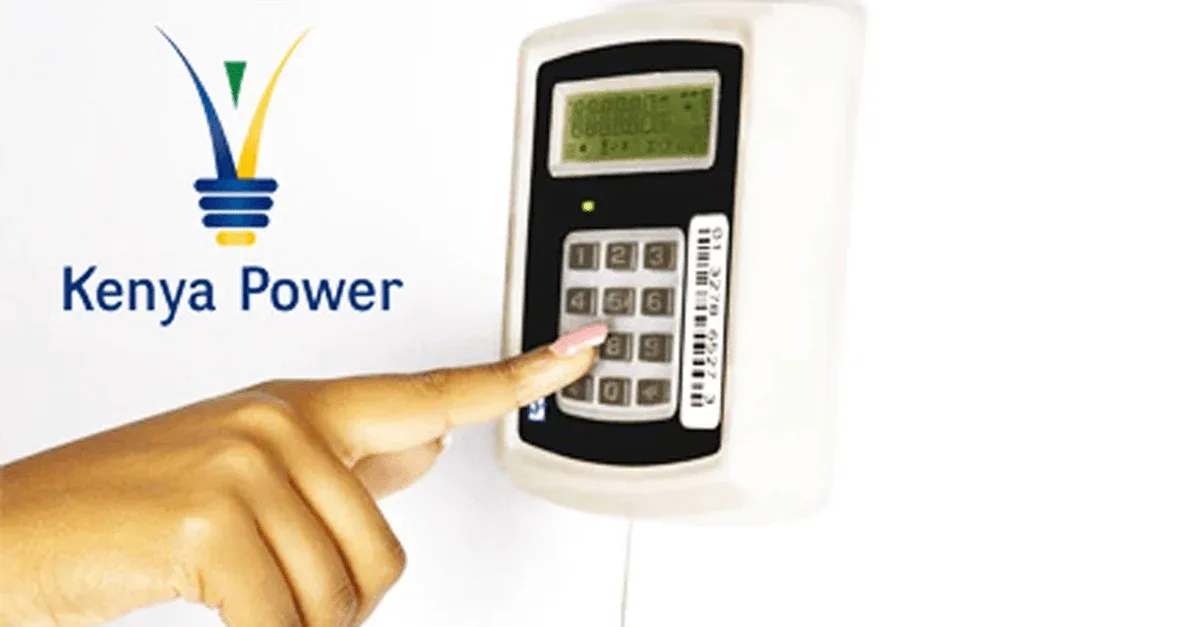
You can check your current tariff group via USSD by dialling *977# or 97771. Alternatively, you can visit the nearest Kenya Power office for assistance.
They can review your account, and if a tariff adjustment is needed, a site visit can be arranged. New connections typically start on the Domestic Ordinary tariff and are adjusted based on the first three months’ average usage.
Key Tips to Manage Your Electricity Bill:
Regular Tariff Checks: Regularly check your tariff category to know if your consumption patterns have inadvertently moved you into a higher-paying bracket.
Monitor 3-Month Average Usage: Keep a close eye on your average usage over three months. If you wish to remain in the Lifeline tariff, strive to keep your consumption consistently just under 30 units.
Report Issues Promptly: Utilise the MyPower app or dial *977# to lodge complaints or report outages. Prompt reporting can help address issues that might inadvertently increase your consumption or billing.
Beyond Tariff Changes: Other Factors Affecting Electricity Costs
While tariff changes are the primary reason highlighted by Kenya Power for fewer units, it’s worth noting that other factors also contribute to fluctuations in electricity costs. These include:
Fuel Cost Charge (FCC) Fluctuations: The variable cost of fuel used in electricity generation.
Foreign Exchange Rate Variations: Fluctuations in the Kenyan shilling against major currencies, affecting the cost of imported fuel and equipment.
Inflation and Economic Factors: General economic conditions and inflation can lead to adjustments in electricity tariffs.
Power Purchase Agreements (PPAs): Agreements with electricity producers, especially those with fixed costs or “take-or-pay” clauses, can influence the overall cost of electricity.
By understanding these dynamics and actively managing consumption, consumers may be able to regain better value for their money and mitigate the impact of changing electricity costs.