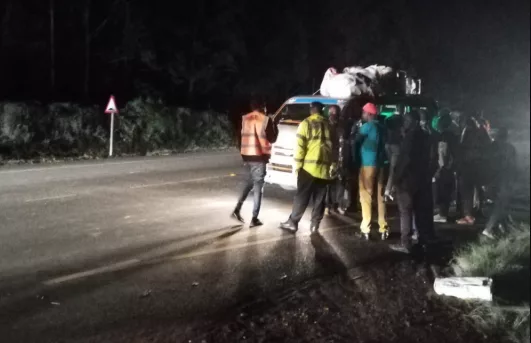




At least 700 people living along the flood-prone River Tana are expected to relocate to higher ground as authorities step up emergency preparations ahead of anticipated heavy rains.
National and county government agencies, humanitarian organisations, and key stakeholders have activated emergency response measures to prevent loss of life, displacement and property destruction as rising water levels fuel fears of flooding across Garissa and neighbouring Tana River counties.
Preparations focus on communities along the riverbanks, where recurring floods have previously caused widespread suffering, displaced families, destroyed farms, wiped out livelihoods and threatened regional food security.
In Garissa, residents of Bula Punda, Bula Sheikh, Galbet, Windsor, Bula Komor and Iftin have been identified as vulnerable. Downstream in neighbouring Tana River county, Mororo, Bakuyu and Ziwani face similar risks.
Garissa county commissioner John Cheruiyot said the government was determined to prevent casualties during the upcoming rains, recalling past episodes where residents were marooned and forced to abandon their homes.
“We don’t want to have any casualties in the event of floods, as has been the case in the past. That is why we have resorted to passing the message to communities living along the river to strictly adhere to the guidelines provided and do what is required of them by moving to higher ground,” he said.
Public awareness campaigns have been intensified through local administrators, public barazas and vernacular radio stations to ensure residents receive timely warnings before conditions deteriorate.
The national administration is coordinating with county authorities and relief agencies to supply food and non-food assistance to affected households.
“As a county, we are well prepared to attend to any eventuality. We are closely working with the county government and other partners to ensure residents who will be affected receive the much-needed assistance,” Cheruiyot said.
Kenya Red Cross Garissa county coordinator Daud Ahmed said early warning signs were already evident, with the river rising sharply within a short period.
The river, which has a normal level of about 2.6 metres, surged to 4.6 metres within two days, escalating concerns for downstream settlements.
“The signs of floods, which often result in displacement and destruction of property, are already there,” Ahmed said.
“Even if it doesn’t rain this side, we have the seven falls which are always opened when they reach their full capacity, and the spillover leads to the swelling of River Tana.”
The Red Cross has pre-positioned response boats and emergency relief items across strategic locations to facilitate swift evacuations and supply distributions.

Concurrently, Garissa county emergency coordinator Mohamed Dubow confirmed the activation of county emergency operations centres and the deployment of multi-departmental personnel.
The county has formally engaged the National Drought Management Authority, the office of the county commissioner and the Kenya Meteorological Department to streamline information sharing.
Resources from the health, water and livestock sectors have been mapped and placed on standby.
“We have mapped all the resources available to us, including vehicles, food and non-food items held by the county and national governments, so we can respond effectively in the event of floods,” Dubow said.
Ward Disaster Risk Management Committees have been activated in pastoralist-dominated zones to guide early evacuations, while public alerts are being broadcast via local radio and bulk SMS messaging.
“We are also targeting the media to disseminate information to the local communities through radio and bulk messages to ensure residents receive timely alerts and take the necessary precautions,” Dubow said.
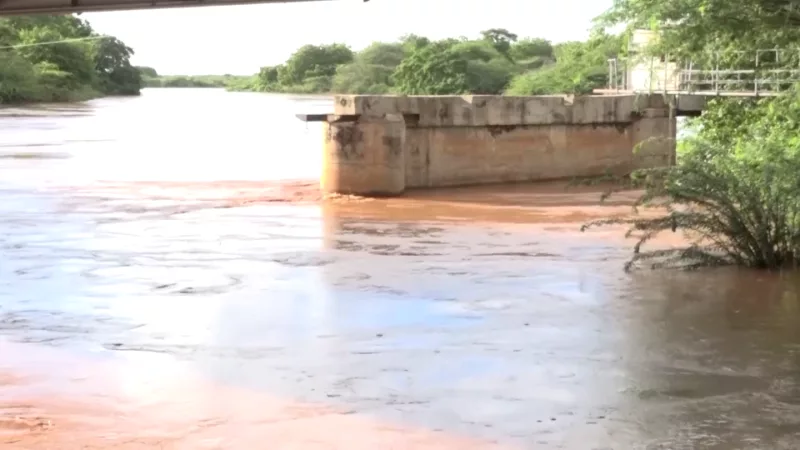
To accommodate displaced populations, county authorities have identified evacuation sites across all subcounties, including five primary centres within Garissa town.
Should extreme weather prevail, contingency agreements are in place to request air support from the World Food Programme for delivering medical and food supplies to marooned settlements.
“In the event that the El Niño rains are massive, we will formally engage the World Food Programme to support our response efforts, particularly because they have helicopters and aircraft that can be used to deliver food, medicines and other essential commodities to communities cut off by floods,” Dubow said.
Beyond human displacement, the surging waters present a major threat to agricultural livelihoods along the River Tana corridor. Previous inundations have swept away crops weeks before harvest, leaving farmers facing severe financial losses and exacerbating local food insecurity.